

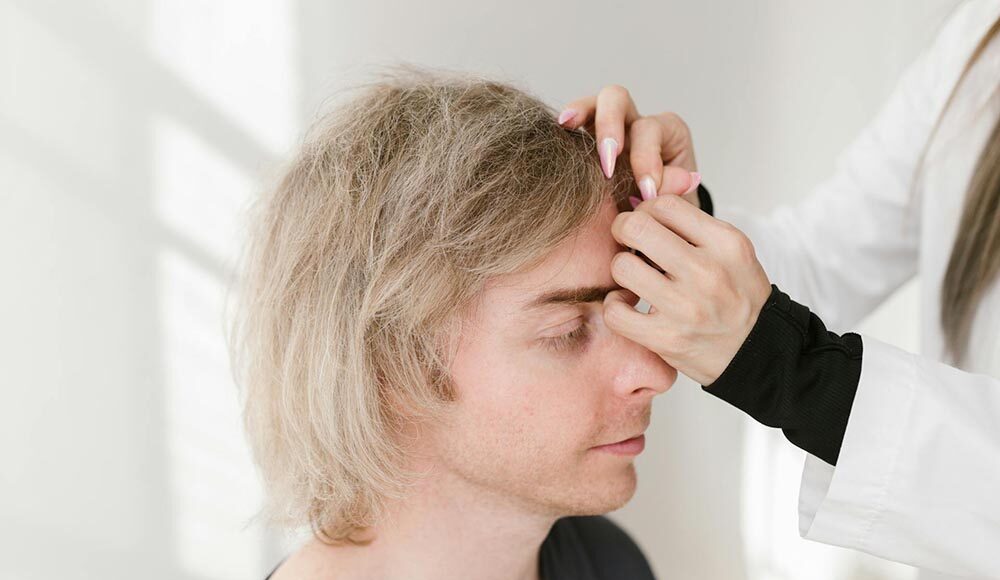
Scalp redness after a hair transplant is a completely normal part of healing.
For most patients, it fades within 10 to 14 days, although some may notice it lingering a bit longer depending on skin type and recovery speed.
The key thing to understand is this: redness isn’t a problem — it’s actually a sign your scalp is healing properly.
That said, if you’re heading back to work or social events, it’s natural to want ways to minimise how visible it looks.
Here’s exactly what to expect — and what you can do to speed things up.
What Causes Redness After a Hair Transplant?
After procedures like FUE or DHI, your scalp goes through controlled micro-trauma.
This triggers your body’s natural healing response, increasing blood flow to the treated area.
That surge in circulation is what causes the redness.
It usually peaks within the first few days, then gradually fades as your scalp recovers.
- Increased blood flow: Supports graft survival and healing
- Micro-incisions: Trigger temporary inflammation
- Immune response: Repairs and protects the scalp
- Visible redness: A normal, short-term side effect
How Long Does the Redness Last?
For most people, redness settles within 1 to 2 weeks.
However, your personal timeline can vary depending on a few key factors.
Patients with fair or sensitive skin may notice redness lasting longer.
More extensive procedures can also extend recovery slightly.
- Standard recovery: 10–14 days for visible redness to fade
- Mild cases: Can improve within 7 days
- Sensitive skin: May last up to 2–3 months
- Larger graft sessions: Slightly longer healing time
What’s Normal (and What Isn’t)
It’s important to know the difference between normal healing and something that needs attention.
Normal redness tends to follow a predictable pattern — it peaks early, then improves steadily.
Anything outside of that pattern may need a closer look.
Normal signs:
- Redness peaks around days 2–3
- Even colour across the treated area
- Mild tenderness or itching
- Gradual improvement each week
Warning signs:
- Redness getting worse after day 3
- Pain increasing instead of easing
- Yellow or green discharge
- Swelling with fever or chills
If you notice any of these warning signs, it’s best to contact your surgeon promptly.
How to Reduce Redness Faster
While you can’t eliminate redness overnight, you can reduce how intense and long-lasting it is.
Simple aftercare steps, including gentle scalp care guidance, make a big difference in how quickly your scalp returns to normal.
1. Keep the Area Cool
Cool compresses help calm inflammation and reduce visible redness.
Use a clean, cool (not ice-cold) cloth for short periods during the first week.
- Constricts blood vessels: Reduces redness
- Soothes irritation: Improves comfort
- Easy to apply: No special tools needed
2. Use Gentle, Proper Washing Techniques
Washing incorrectly is one of the most common mistakes that prolong redness.
Stick to lukewarm water and a mild shampoo.
Avoid rubbing — always pat gently instead.
- Gentle washing: Prevents irritation
- Mild shampoo: Protects healing skin
- Pat drying: Avoids friction damage
3. Avoid Sun Exposure
Sunlight can worsen redness and slow down healing.
Your scalp is especially sensitive after a hair transplant, so protection is essential.
Wear a loose hat if needed, but avoid tight pressure on the grafts.
- UV exposure: Increases inflammation
- Loose protection: Shields without pressure
- Better healing: Reduces long-term redness
4. Try Natural Soothing Options
Aloe vera is widely known for calming irritated skin.
When used correctly, it can support healing and reduce redness.
Apply a thin layer and rinse gently after 15–20 minutes.
Only start this a few days after your procedure, once approved by your clinic.
- Aloe vera: Natural anti-inflammatory
- Light application: Safe for healing scalp
- Regular use: Supports recovery
How to Conceal Redness (Safely)
If you need to be out and about before redness fades, there are safe ways to cover it.
You can usually start using concealment products around day 7, once grafts are secure.
Colour Correction Works Best
Green-tinted concealers are especially effective because they neutralise red tones.
Apply lightly and blend gently — no heavy rubbing.
- Green concealer: Cancels out redness
- Light blending: Prevents irritation
- Translucent powder: Helps it last longer
Hair Concealers and Styling Tricks
You can also use hair fibres or smart styling to reduce visibility.
Longer hair around the treated area helps create natural coverage.
Strategic parting can also make redness less noticeable.
- Hair fibres: Improve density appearance
- Smart styling: Adds natural coverage
- Longer surrounding hair: Blends the area
Week-by-Week Recovery Timeline
Understanding what happens each week helps you stay calm and realistic.
Week 1: Peak Redness
This is when redness is most noticeable.
Scabs form, and the scalp may feel slightly tender.
- Bright redness: Most visible phase
- Scabbing: Normal healing process
- Mild swelling: Temporary
Weeks 2–3: Visible Improvement
Redness fades to a lighter pink.
Scabs begin to fall off naturally — don’t pick them.
- Fading colour: Red to pink
- Less discomfort: Healing progresses
- Safe concealment: Can begin
Month 1–3: Full Resolution (If Needed)
Most people are fully healed by now.
Some, especially with fair skin, may still see slight redness.
- Complete healing: Common by week 3
- Extended redness: Normal for sensitive skin
- No concern: Unless symptoms worsen
Final Thoughts
Post-transplant redness might look concerning, but it’s actually a healthy sign your scalp is recovering properly.
For most patients, it’s short-lived and manageable with the right care.
And if you need to hide it temporarily, there are safe and effective options available.
The real focus should always be on proper healing — not rushing the process, as also reflected in fashion and beauty recovery discussions seen across modern lifestyle and editorial content.