

A Conversation on Culture, Couture, and Creative Identity
Introduction
Born and raised in Phnom Penh, Cambodia, fashion designer Laisim Soeung has built a creative journeyshaped by culture, storytelling, craftsmanship, and international experience.
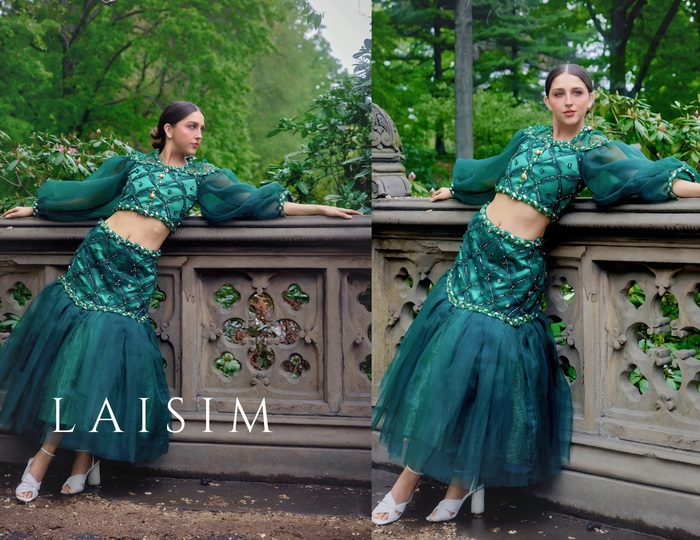
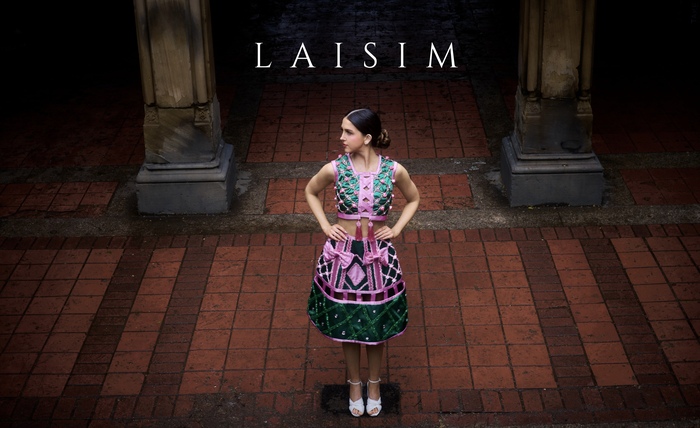
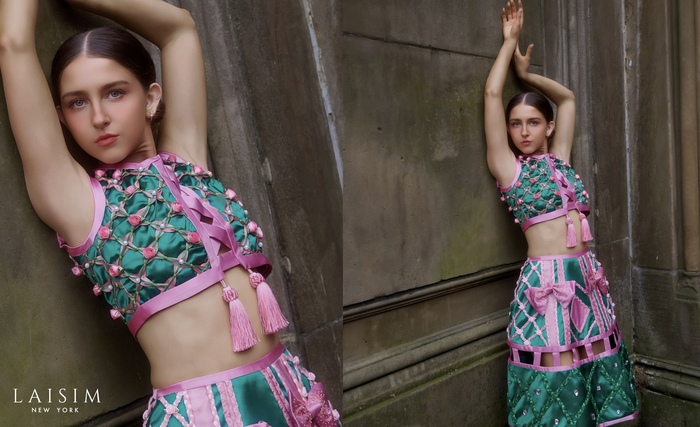
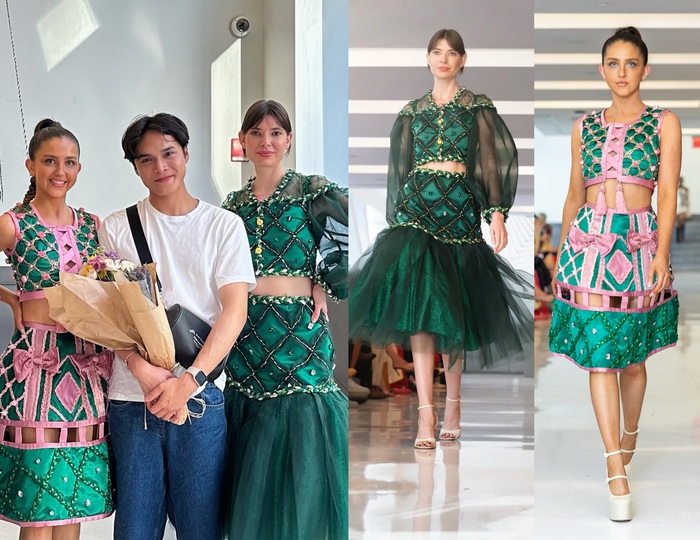
From studying art and fashionin Cambodia to continuing his education in New York City at Parsons School of Design, Laisim’s work reflectsa dialogue between heritage and modernity. His couture collection Jungle Drapes the Temple explores therelationship between Cambodian history, architecture, and nature through textile manipulation and couturecraftsmanship.
In this interview, Laisim shares his artistic journey, inspirations, and perspective on fashion as a form ofcultural storytelling.
Laisim Soeung
Interview
Q: Could you introduce yourself and tell us about your background?
My name is Laisim Soeung, and I was born in Phnom Penh, Cambodia. Since childhood, I have had a deeppassion for art and aviation. I became interested in visual creativity at a young age and started studying artand film while I was still in secondary school. Those early experiences helped shape the way I seestorytelling, emotion, and design today.
After graduating from high school, I attended Limkokwing University in Phnom Penh, where I studiedfashion design and learned from French lecturers who introduced me to different artistic perspectives andinternational design approaches. During that period, I became increasingly fascinated by world history,traditional clothing, and the relationship between culture and identity.
Q: What inspired your interest in fashion design?
What inspired me most was discovering how fashion can connect people, cultures, and history together. Ibecame very interested in European and Middle Eastern traditional garments and how clothing cancommunicate stories across generations. I was especially drawn to couture because of its craftsmanship,structure, and attention to detail.
For me, fashion is not only about appearance. It is also about emotion, memory, heritage, and humanconnection. I found myself deeply inspired by textile details, garment construction, embroidery, and theartistry behind handmade couture techniques.
Q: What was your experience working in Cambodia’s fashion industry?
After graduating from university, I worked in Cambodia’s local ready-to-wear production industry foraround four years. During that time, I developed strong technical and creative skills while working closelywith garment production, textile development, fittings, and design processes.
That experience taught me discipline and helped me better understand the relationship between creativityand manufacturing. It also allowed me to understand the realities of the fashion business while continuingto grow artistically.
Working in Cambodia gave me a strong foundation and helped me appreciate the importance ofcraftsmanship and teamwork within fashion production.
Q: What motivated you to study abroad in New York?
I wanted to challenge myself creatively and experience fashion on a global level. Studying abroad atParsons School of Design in New York City completely expanded my perspective. I met people from manydifferent cultures and backgrounds, and I learned so much through creative exchange and collaboration.
New York showed me how diverse and fast-moving the fashion industry can be. It pushed me to think morecritically, communicate more openly, and discover my own voice as a designer.
Q: You later worked with 3.1 Phillip Lim. How did that experience influence you?
Working with 3.1 Phillip Lim as an Assistant Designer was a very important step in my journey. I had theopportunity to work closely with senior designers and creative directors, which gave me a deeperunderstanding of how a global fashion brand operates creatively and professionally.
Through that experience, I learned about the structure of the fashion industry in New York and how ideasmove from concept development to runway collections and production. I also gained valuable insight intoteamwork, creative communication, technical development, and the balance between artistry and businesswithin fashion.
Q: Can you tell us about your couture collection, Jungle Drapes the Temple?
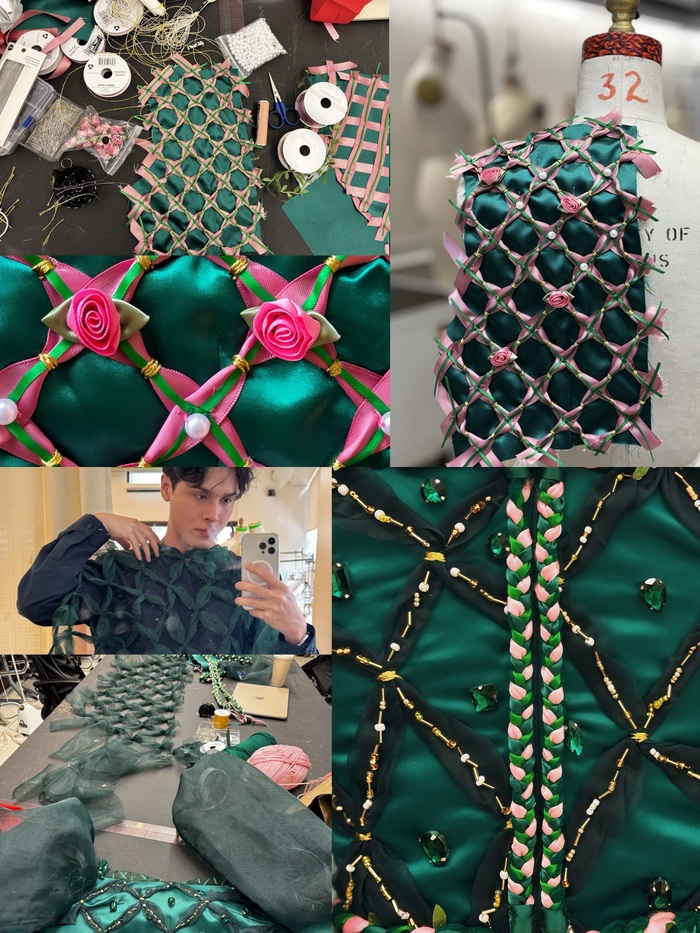
Jungle Drapes the Temple was a deeply personal couture collection inspired by Cambodia’s cultural heritage,particularly the ancient architecture and sculptures of Angkor Wat.
The concept imagined the temple slowly being reclaimed by nature over time. I wanted to express thebeauty of history merging with organic life. Through fabric manipulation, ribbon weaving, and hand-sewncouture details, I interpreted the feeling of hidden stone carvings beneath vines, moss, and blossoms.
Each garment featured lattice-like structures inspired by temple grids and floral forms representing nature’sresilience and renewal. I combined vibrant pinks, greens, and gold tones to symbolize both royalty andorganic life, while deep emerald tones reflected dense jungle foliage.
This collection was very emotional for me because it connected my identity as a Cambodian designer withmy experiences studying and creating in New York.
Q: How does Cambodian culture influence your work today?
Cambodian culture will always remain at the center of my artistic identity. I am inspired by Khmerarchitecture, sculpture, traditional craftsmanship, and storytelling traditions. Cambodia has such a richartistic history, and I believe it deserves to be represented within contemporary fashion conversationsinternationally.
At the same time, I also enjoy combining traditional inspiration with modern techniques and globalperspectives. My goal is not simply to recreate tradition, but to reinterpret it through a contemporaryartistic lens.
Q: What role does storytelling play in your design process?
Storytelling is one of the most important parts of my creative process. Every collection begins with emotion,research, and narrative development. I often think about memory, identity, migration, culture, and humanconnection before I begin designing silhouettes or textiles.
Fashion, for me, is a visual language. Through garments, textures, colors, and structure, I try tocommunicate stories that people can emotionally connect with.
Q: What are your future goals as a designer?
I want to continue growing internationally while staying connected to my Cambodian roots. I hope tocontribute more to global fashion through couture, textile development, and creative storytelling.
I am also passionate about cultural exchange, education, and supporting younger generations of creativesin Cambodia in the future. I believe fashion can become a bridge between cultures and a way to preserveidentity while still embracing innovation and modernity.
As a designer, my goal is to create work that feels meaningful, emotionally connected, and artisticallytimeless.