

Creative collisions are rarely planned.
They happen when people who are deeply fluent in one visual language encounter another and recognize something that resonates with what they already know. The meeting of K-Pop aesthetics and dark fantasy is one of the more unexpected of these collisions, and it has produced a creative genre that is visually distinctive, emotionally engaging, and genuinely difficult to categorize.
Understanding what makes this particular combination work requires looking carefully at what each tradition brings to the meeting and why the combination produces something greater than the sum of its parts.
What K-Pop Brings to the Table
K-Pop visual identity is not simply a style. It is a sophisticated design system developed and refined over decades of intense creative investment. It is characterized by extreme attention to visual coherence, an understanding of how clothing reads under performance conditions, and a commitment to using fashion as a storytelling tool that extends and amplifies the narrative of the music itself.
K-Pop styling knows how to make a look land. It understands proportion, contrast, and the relationship between movement and fabric. It has developed a visual grammar that is immediately legible to a global audience and that carries enormous emotional resonance for the communities that have grown up with it. For more on how these performance aesthetics evolved, see this K-Pop visual culture overview.
What Dark Fantasy Contributes
Dark fantasy aesthetic brings something different to the combination. Where K-Pop tends toward radiance and precision, dark fantasy operates in a register of texture, shadow, and narrative weight. The visual language of demon hunters specifically carries associations of sacrifice, power earned through struggle, and a kind of beauty that exists alongside danger rather than instead of it.
This is an aesthetic that knows how to make something feel significant. The worn armor, the protective symbols, the weapons that are also works of art: these elements communicate a story that has depth and consequence. They suggest that the person wearing them has been somewhere difficult and come back transformed.
Why the Combination Works
When these two aesthetics meet, they address each other’s limitations in interesting ways. K-Pop visual language can sometimes feel purely present‑tense: beautiful and powerful in the moment but without a sense of history. Dark fantasy aesthetic, applied alone, can feel heavy and inaccessible to audiences not already deeply invested in the genre.
Together, they create something that is both immediately visually compelling and narratively rich. The K-Pop sensibility ensures that the result is vibrant and accessible. The dark fantasy element gives it weight and story. The costume feels both spectacular and meaningful, which is a genuinely rare combination in any design tradition.
What the Creative Community Has Made of This Meeting
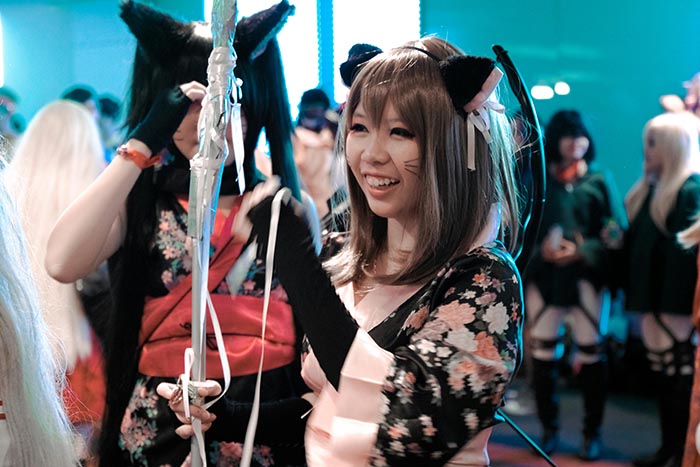
The communities most engaged with this aesthetic hybrid have produced extraordinary work. K-Pop Demon Hunters Costumes represent some of the most inventive and technically accomplished cosplay being made anywhere in the world right now. Designers are working with premium materials, developing their own construction techniques, and creating pieces that exist in genuine dialogue with both of the traditions they draw from. If you want to explore the global craft of creative costume making, this cosplay encyclopedia resource provides helpful context.
This is what creative collisions produce at their best. Not a simple blending of elements, but a genuine evolution in which both traditions are transformed by the encounter. The dark fantasy genre gains access to visual sophistication it did not previously have. K-Pop aesthetics gain depth and narrative gravity that expand what the visual language can do. And the audience gains something they did not know they were waiting for until they saw it.