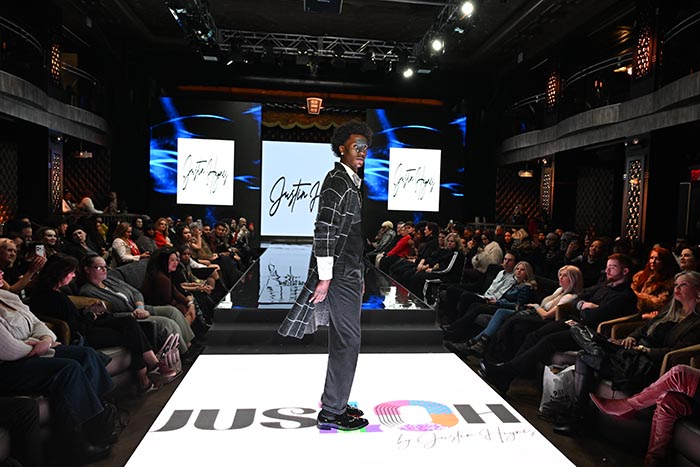
Story by Troi Santos, Contributor
From the centralized Bryant Park tents to today’s decentralized and digitally amplified marketplace, structured production platforms like HITECHMODA reflect how New York Fashion Week has evolved into a broader economic engine for designers and the city itself.
Photographer: Slaven Vlasic for Getty Images
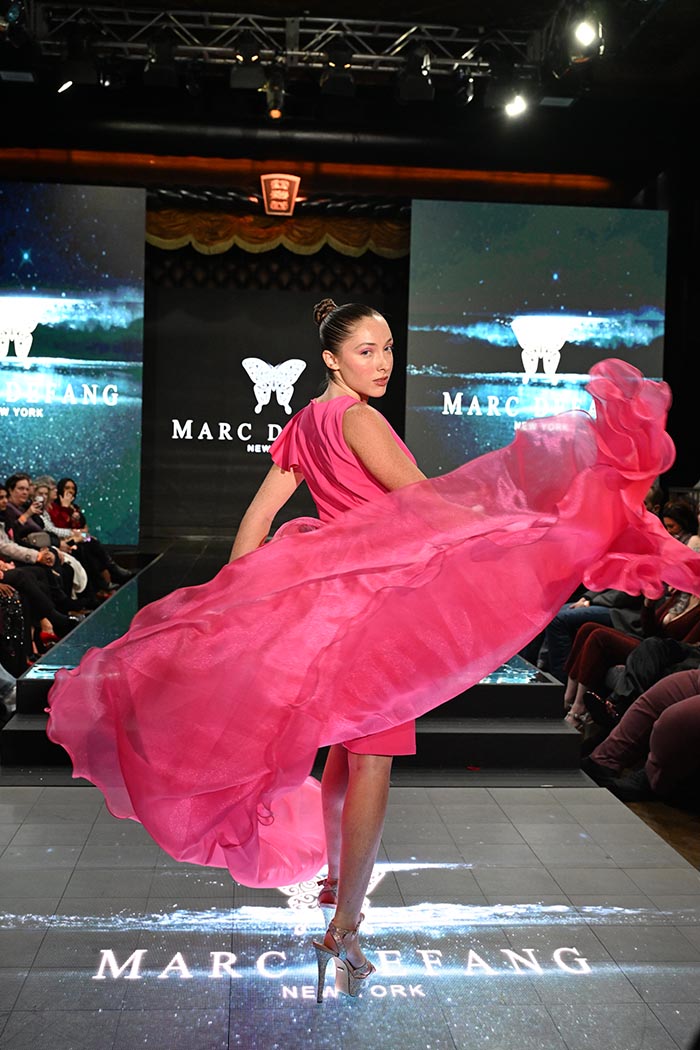
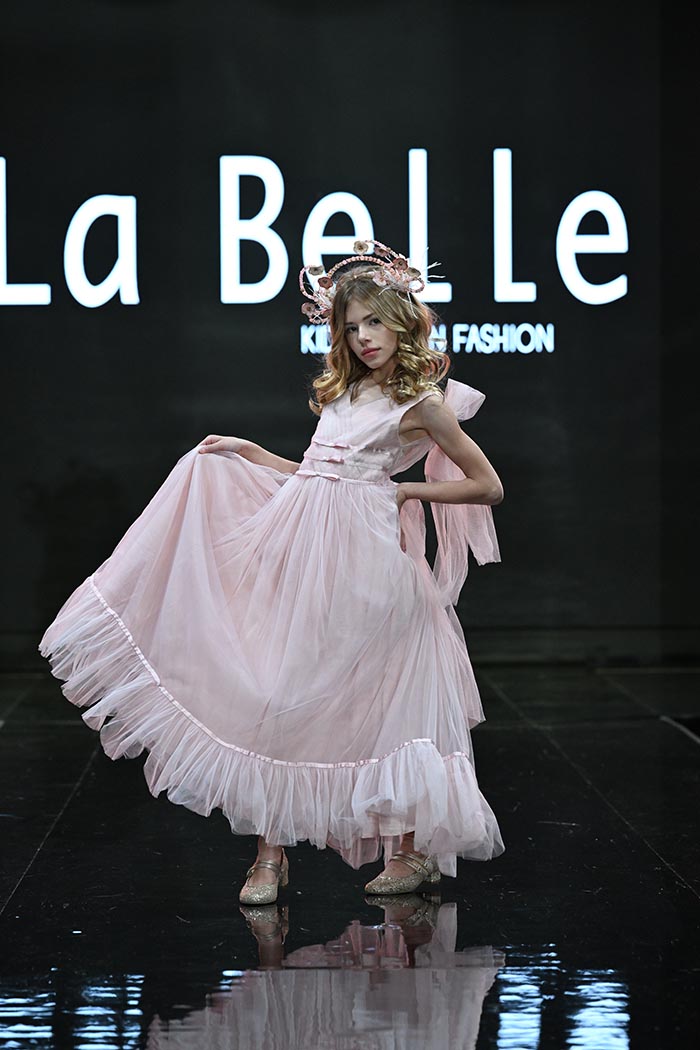
Designers: Marc Defang and La Belle Kids Fashion
New York Fashion Week has long been associated with image and influence. Less examined is the infrastructure that determines who can participate and who can sustain momentum beyond a single season.
The modern calendar is the product of multiple structural eras. In 1993, the CFDA launched “7th on Sixth” to centralize shows after years of fragmentation. Olympus sponsorship formalized the Bryant Park tent model, concentrating designers, media, and production under one system. In 2007, Mercedes-Benz assumed sponsorship and later moved operations to Lincoln Center, reinforcing corporate underwriting and curated hierarchy.
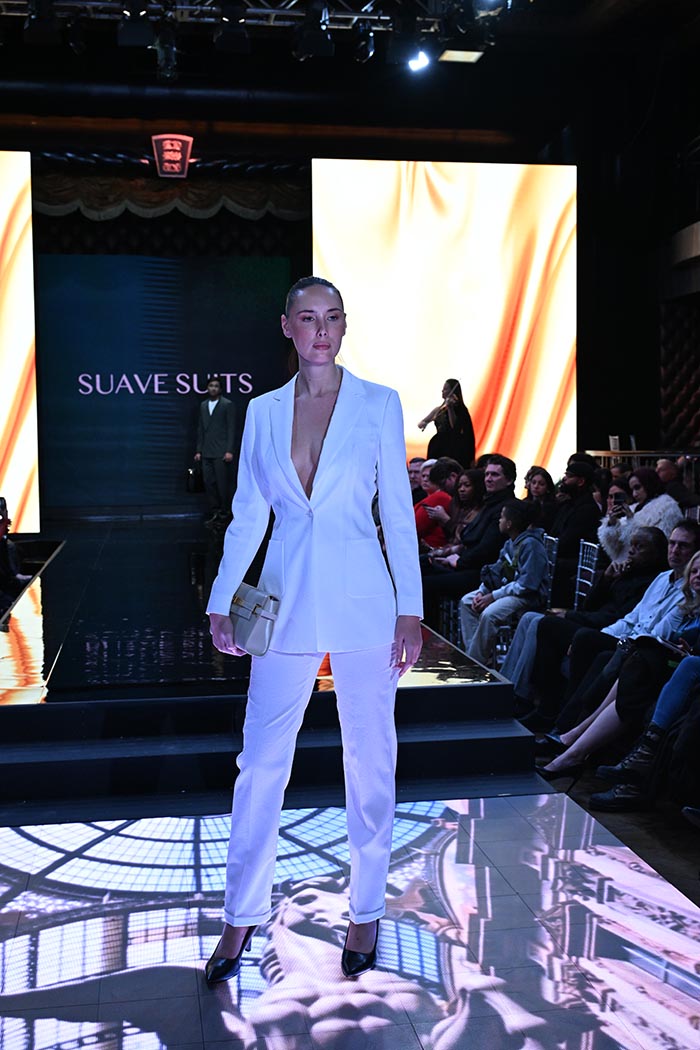
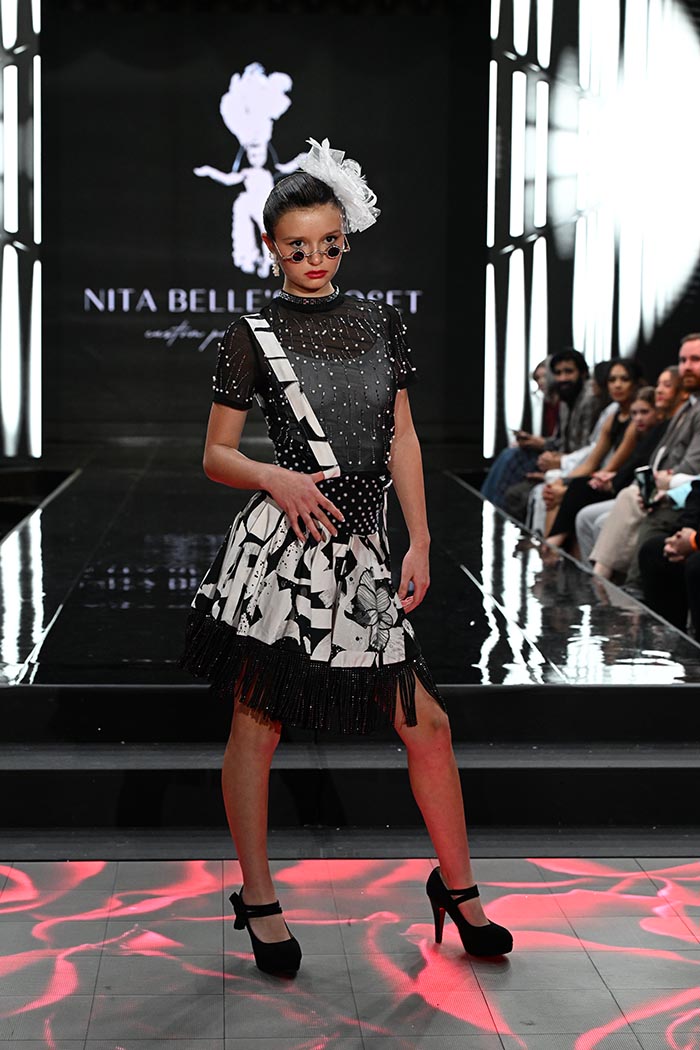
Designers: Suave Suits by Wajahat Mirza and Nita Belle’s Closet
During the Bryant Park and Lincoln Center years, the economic impact of New York Fashion Week was measurable and concentrated. A joint analysis involving the CFDA and the New York City Economic Development Corporation estimated that the event generated approximately $887 million to nearly $900 million in annual economic impact for New York City. Of that total, roughly $547 million was attributed to direct visitor spending, including hotel stays, dining, transportation, retail activity, and event-related services. The centralized tent model streamlined capital flow, production logistics, and attendance patterns.
When Mercedes exited in 2015, that centralized structure dissolved. No single sponsor replaced it. Production dispersed across Manhattan and Brooklyn. Independent producers stepped into the gap.
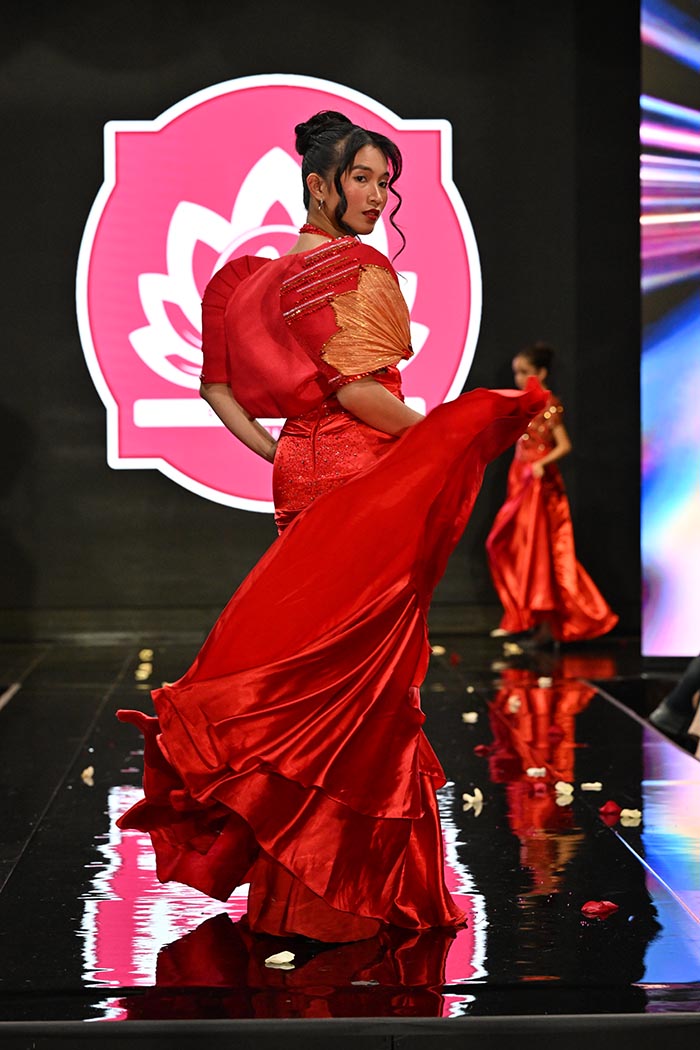
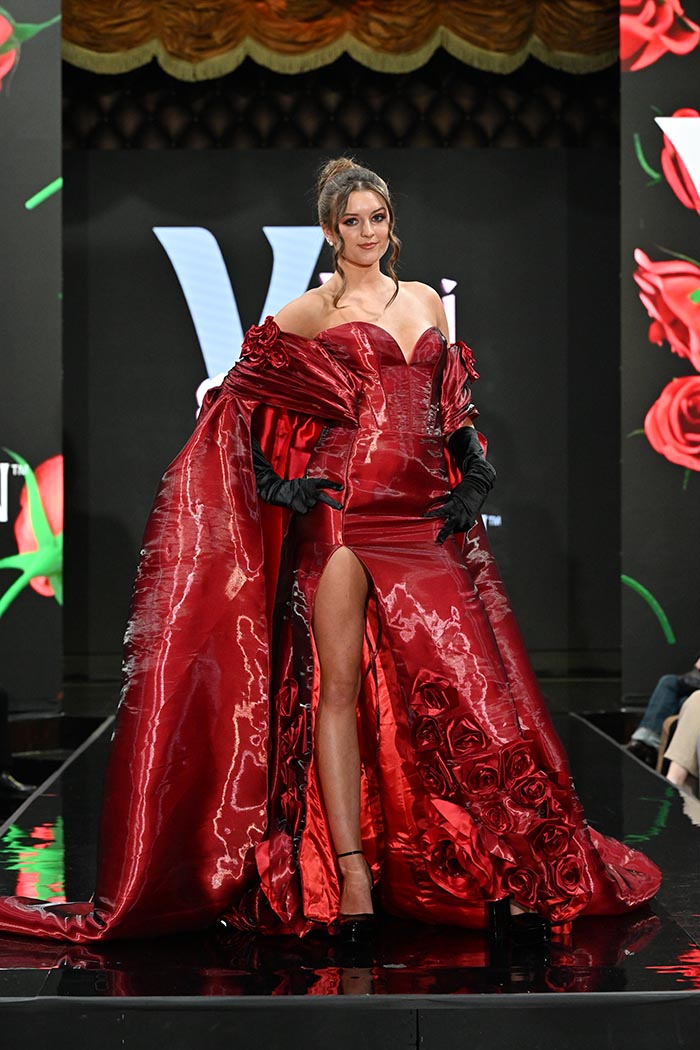
Designers: Steadfast Couture and Yesi Rose Fashion
The result was not contraction but expansion. Alongside the official CFDA schedule, a growing number of NYFW-branded shows emerged. The NYFW name carries global commercial value, and in a decentralized system, entry points multiplied. Participation now spans legacy houses, international labels, and early-stage designers seeking market access.
At the same time, visibility expanded. Times Square billboards promote collections beyond invited audiences. Shows are live-streamed. Influencers distribute content instantly. Editors publish in real time. Exposure is no longer limited to those seated in the room.
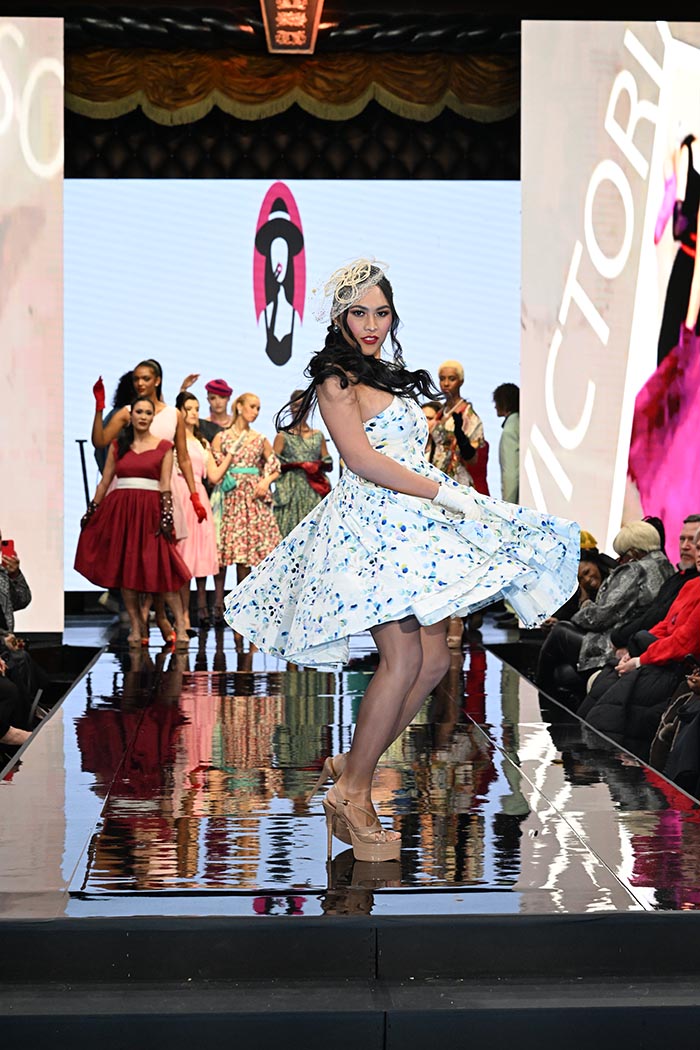
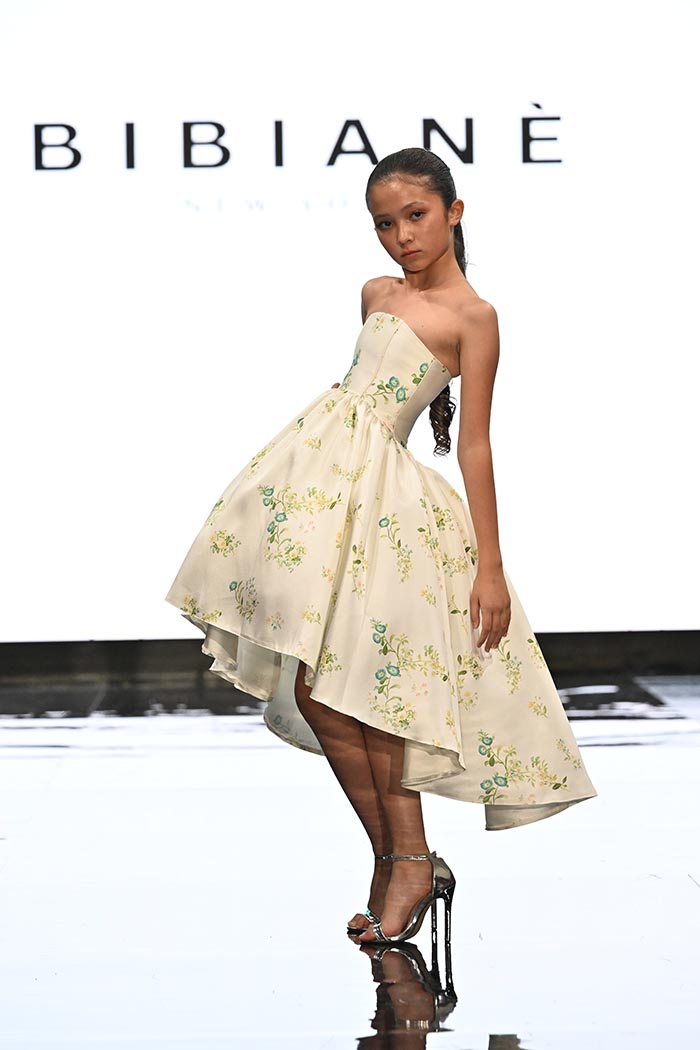
Designers: Victoria Amerson and Bibianè
That shift increases both reach and scrutiny.
In a media cycle where runway images circulate globally within minutes, production discipline is no longer secondary. It is risk management. Technical inconsistency scales as quickly as highlight moments.
Pamela Privette built HITECHMODA within this environment, positioning it as a structured production platform for emerging designers navigating a crowded calendar. Rather than producing standalone shows, she developed a centralized framework that consolidates venue coordination, staging, lighting, casting management, backstage operations, and media documentation.
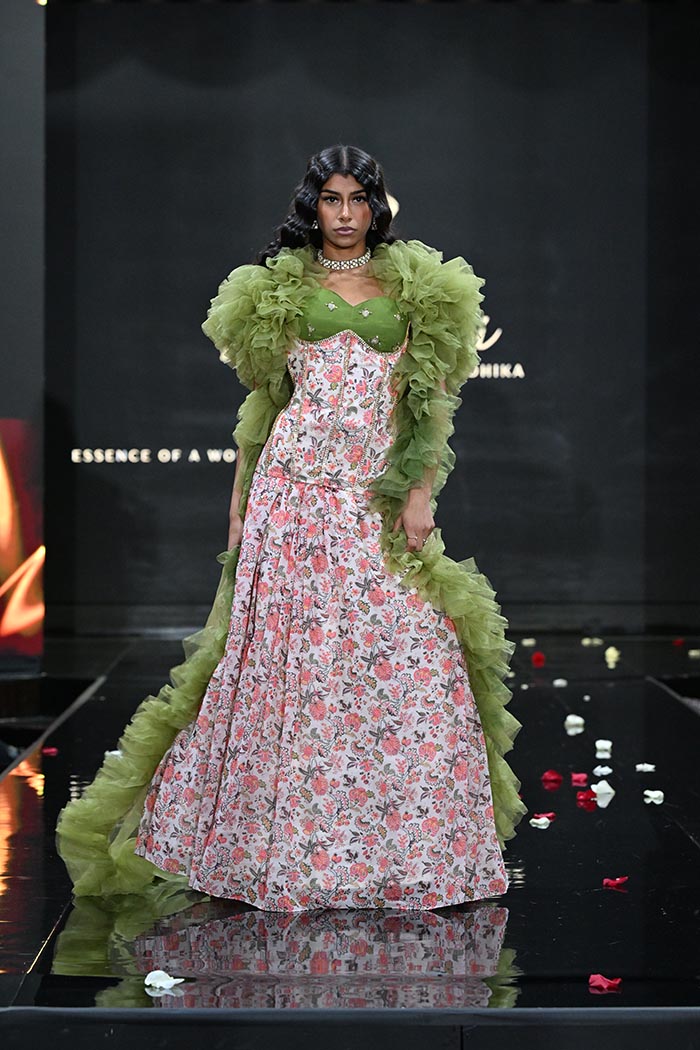
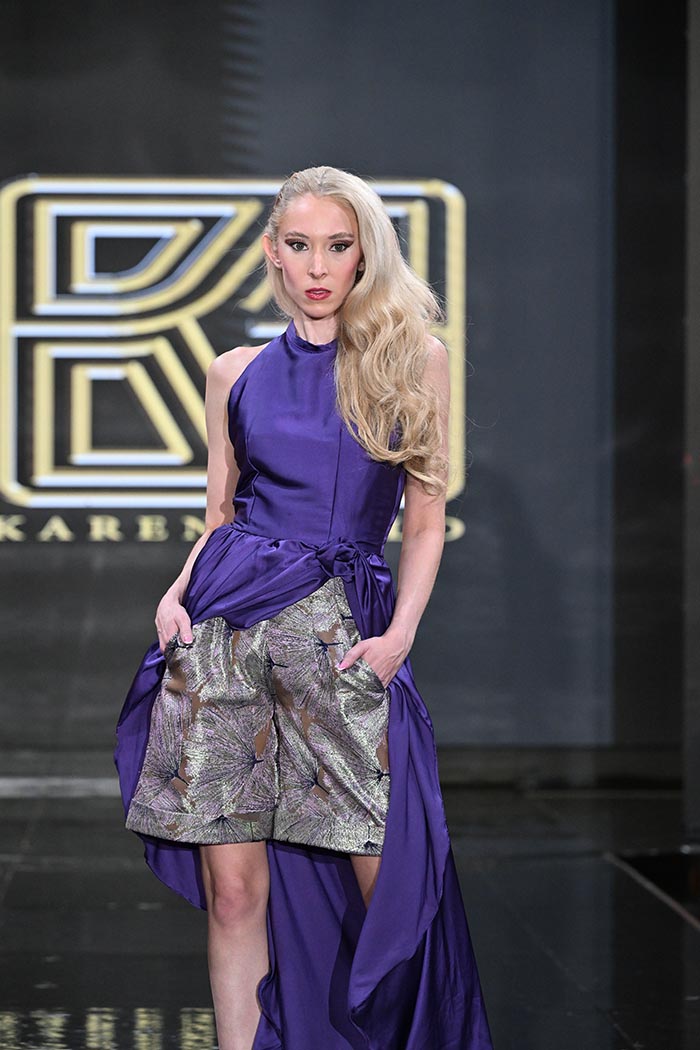
Designers: RasaNari and Karen Gold
Designers enter a system rather than assembling one.
For independent labels, participation in New York Fashion Week can require substantial capital once venue rental, production staffing, models, stylists, PR support, and technical infrastructure are calculated. For many, those costs represent the primary barrier to entry. Shared production reduces individual exposure while preserving professional presentation standards.
The redistribution of the Fashion Week calendar has also redistributed spending. While the tent era concentrated revenue in a limited number of venues, today’s decentralized format activates multiple neighborhoods simultaneously. Independent productions generate hotel bookings for designers, buyers, production teams, and international guests; restaurant and transportation traffic; equipment rentals; security services; freelance technical crews; and digital post-production work.
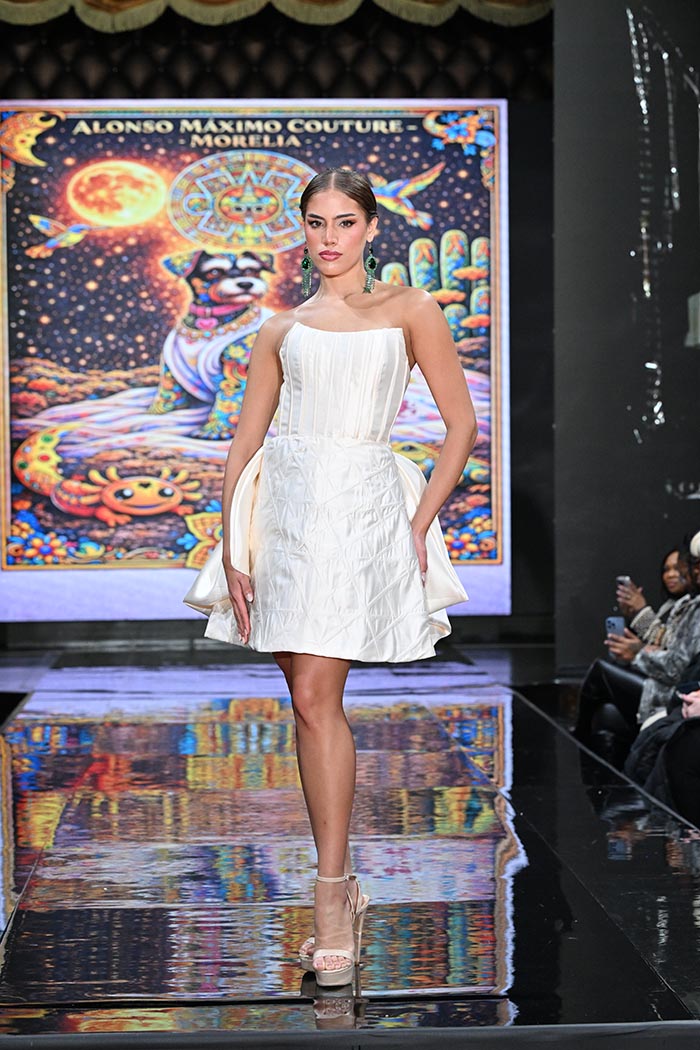
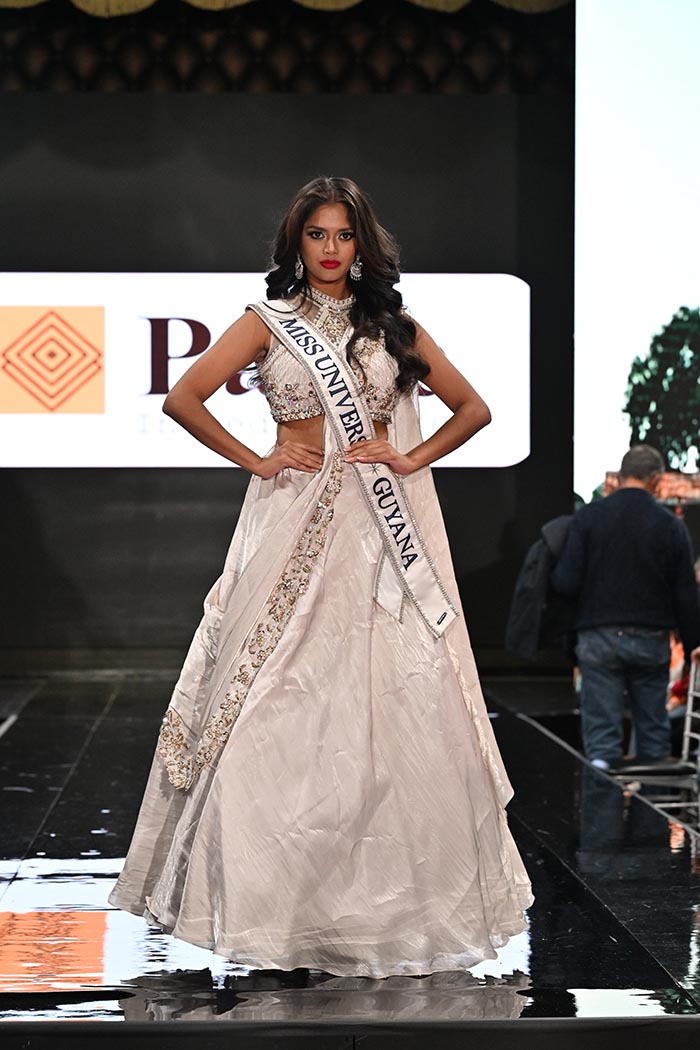
Designers: Alonso Maximo and Paaie
Although there is no single consolidated post-2015 economic study capturing every NYFW-related show, the expanded number of productions operating during the calendar window suggests that cumulative activity continues to generate hundreds of millions of dollars in seasonal local spending, even without a centralized corporate sponsor anchoring the week. Economic activity did not disappear with decentralization. It dispersed.
Under Privette’s direction, HITECHMODA has supported sustained brand development across seasons. Rian Fernandez expanded into the American market with Rian Fernandez Luxe. SCI PHI launched both a Manila boutique and a modeling academy. Alonso Maximo secured coverage across more than 100 publications in Mexico. Alyssa Casa Couture translated runway exposure into substantial order volume. Rasi Nari earned regional recognition as Designer of the Year in South Asia. These trajectories reflect continuity rather than episodic visibility.
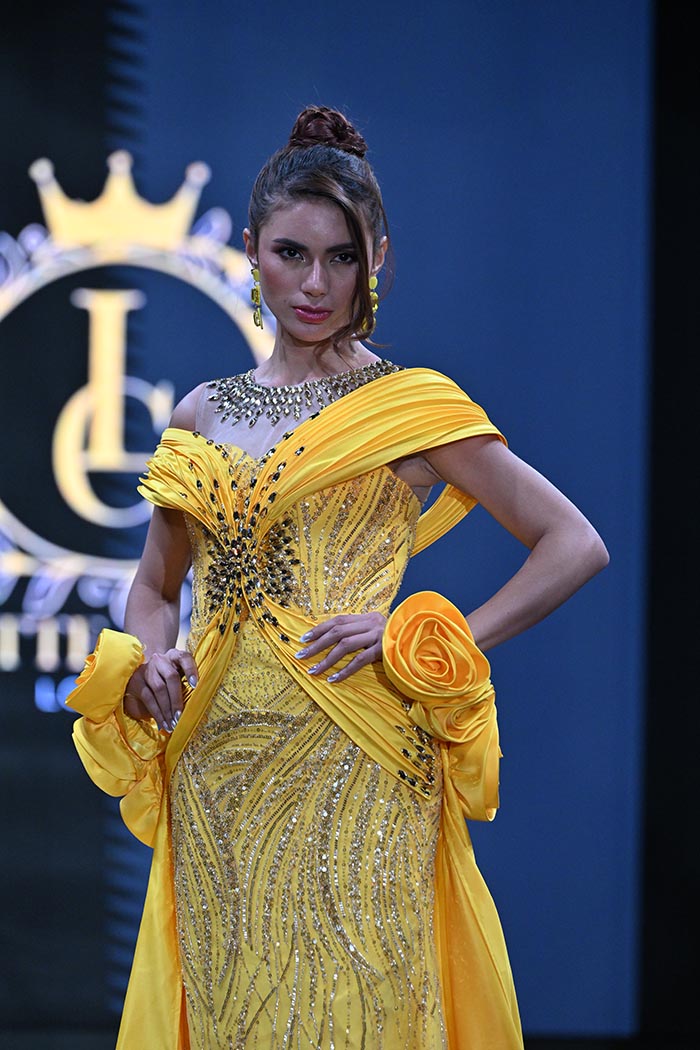
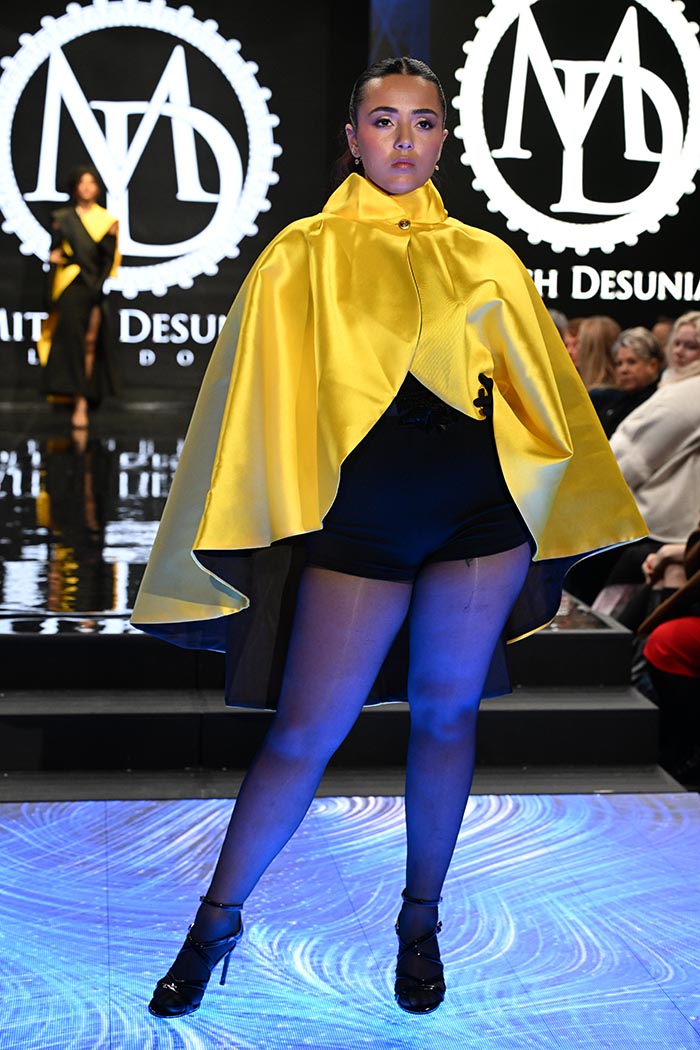
Designers: Lynette Couture and Mitch Desunia
The platform’s ecosystem extends beyond designers. Models build professional runway credits in an industry that historically privileged narrow casting standards. Alternative production platforms create space for participation regardless of whether physical profiles align with traditional luxury benchmarks. Height, age, body type, and background become less deterministic within these frameworks.
Makeup artists, stylists, photographers, technical directors, and production coordinators benefit from repeat cycles. In a freelance economy, repetition builds durability.
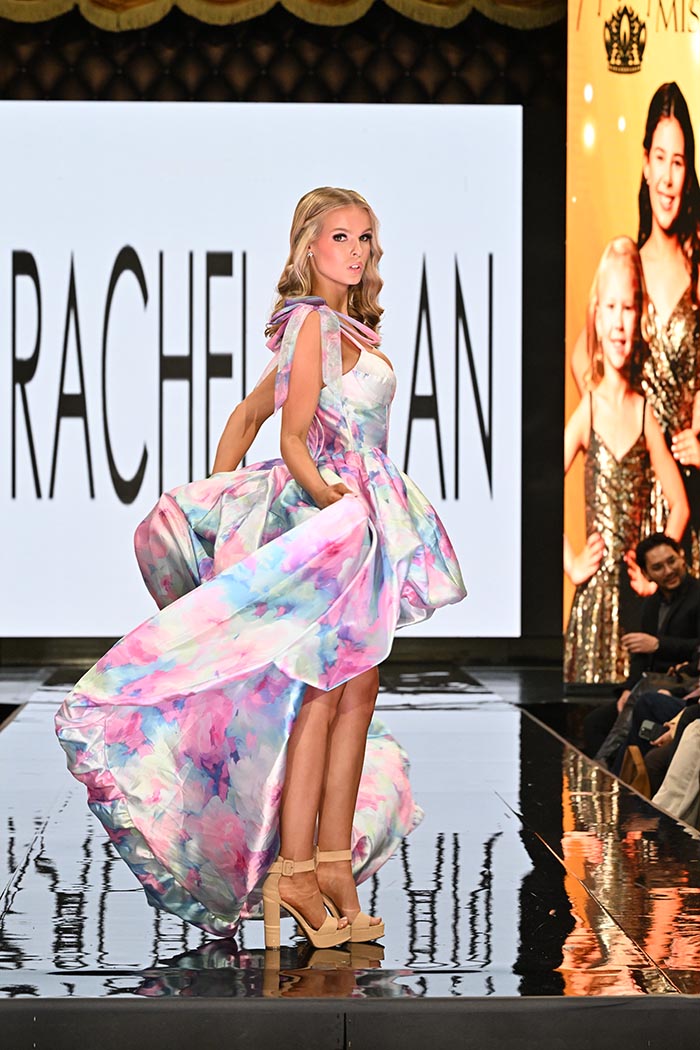
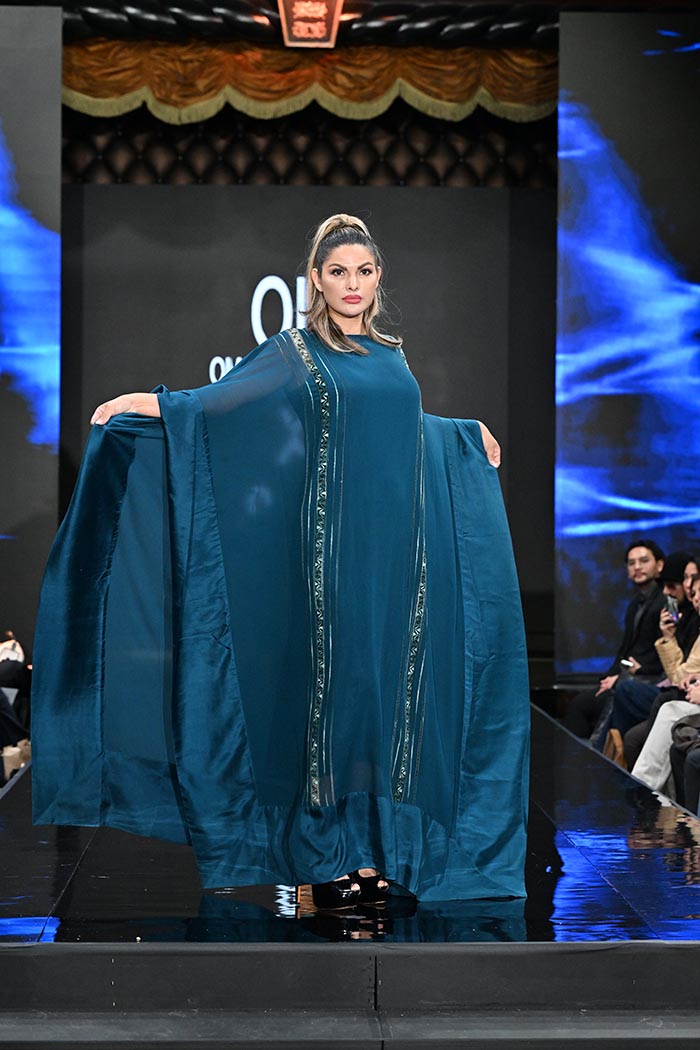
Designers: Rachel Allan and Omar Mansoor
Decentralization has intensified competition. Designers now evaluate platforms based on organizational reliability, documentation quality, safety protocols, and long-term brand alignment. In a marketplace where the NYFW label is widely used, infrastructure becomes the differentiator between temporary visibility and sustained positioning.
HITECHMODA operates within this expanded middle tier not as a substitute for legacy luxury houses, but as an access channel for designers not yet positioned within that upper echelon. Its strength lies in operational consistency across seasons.
Fashion evolves through renewal. Renewal requires access. Access requires structure.
In a Fashion Week landscape shaped by expansion and constant visibility, platforms built on structure are the ones that endure.
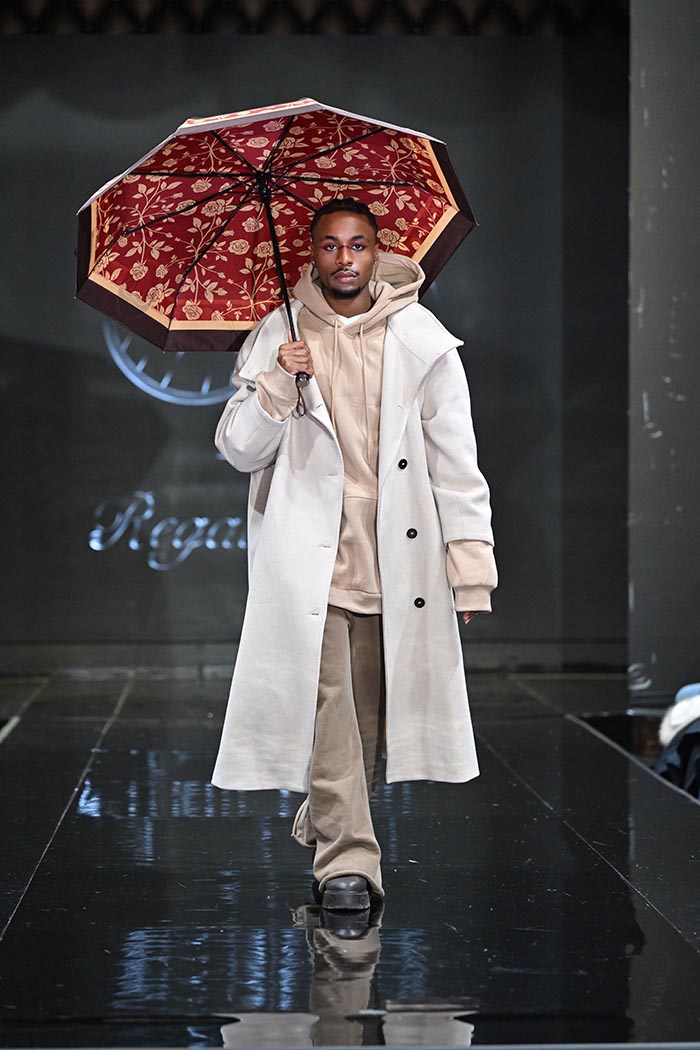
Designer: Regal Rain Co.
Troi Santos is a New York–based photojournalist and columnist reporting across global politics, business, technology, film, sports, fashion, the arts, and culture. He is credentialed by the U.S. Department of State’s Foreign Press Center in New York and covers the systems that shape public life.