

Quartz watches have had the market locked down for decades, and honestly, it makes sense. They keep near-perfect time, they’re affordable, and maintenance is basically just swapping a battery once in a while.
But lately, something weird is happening — people are skipping right past the quartz displays and picking up automatics instead. You can discover beautiful automatic watches without breaking the bank, which helps explain the trend. But beyond the cool factor, does going automatic actually pay off in the long run?
Understanding the Fundamental Difference
Quartz watches don’t ask much from you. A battery does all the heavy lifting, and you won’t need to think about it again for a couple of years. Swap the battery every couple of years and you’re good — it’ll keep ticking with scary-good accuracy the entire time.
Now, automatic watches throw all of that simplicity out the window. We’re talking springs, gears, and an escapement, all packed into that small case, no battery needed, period. The whole thing winds itself using the motion of your wrist, relying on the same engineering concepts watchmakers figured out centuries ago.
That one difference between the two changes everything — how accurate the watch is, how much you’ll spend keeping it running, and what the ownership experience actually feels like.
The Accuracy Trade-Off
There’s no getting around it—quartz watches keep better time. A decent quartz watch stays accurate within a few seconds each month. Automatics aren’t nearly as accurate, and losing a few seconds is normal for an automatic watch.
Does this matter in real life? For most situations, probably not. People glance at their phones constantly anyway, and reset their watches from time to time. Unless your job demands split-second precision or you’re particular about exactness, the accuracy gap doesn’t really affect day-to-day use.
The fact that people are still choosing automatics suggests the accuracy compromise is worth whatever else they’re getting.
Maintenance Requirements and Costs
Quartz watches need new batteries every couple of years, which costs about $10-20. That’s basically it for maintenance.
Automatic watches need proper servicing every few years, costing anywhere from $100 to $500, depending on the watch. The service involves taking apart the entire movement, cleaning everything, replacing worn components, adding fresh lubricant, and adjusting the regulation.
Over ten years, automatics definitely cost more to maintain. Still, a lot of buyers see this as maintaining something built to last generations instead of something you’ll eventually throw away.
What Drives the Appeal?
A few things explain why people make the switch, even with the downsides:
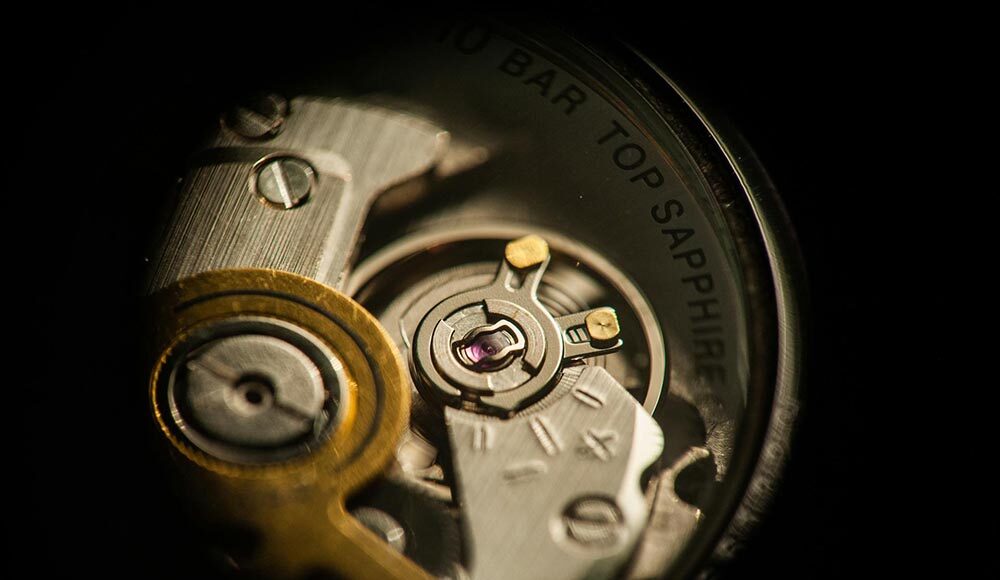
Mechanical appreciation: Ever flipped an automatic watch over? The whole movement is right there behind the glass — springs, gears, everything just ticking along. Nobody thinks they’ll care about that stuff until they actually hold one. After that, good luck going back to quartz.
Longevity and heritage: There are automatics from the 70s and 80s still on people’s wrists right now. Not in a museum, not in a box — actually being worn every day, decades later, after a few tune-ups.That kind of staying power is rare with anything we buy nowadays. A lot of people spend more on an automatic because they know it won’t end up in a landfill five years later. Vogue has been writing about this more and more, and honestly the appeal isn’t hard to understand.
Tangible connection: Wearing an automatic just feels different. The smooth sweeping second hand, having to wind it if you haven’t worn it, knowing your arm movements keep it running—these details create a more hands-on experience.
Market positioning: Major brands and smaller independent watchmakers alike now offer hand-assembled automatic pieces at different price levels, so mechanical watches aren’t just for the luxury market anymore. Whether you’re looking at well-known names or boutique manufacturers, there are quality options across a wide range of budgets.
When the Switch Makes Sense
Moving to automatic watches makes sense when:
- You actually care about how a watch works, not just what time it says
- A few seconds off here and there won’t mess up your day or your job
- You’re okay with paying more upfront and covering service costs down the road
- You plan to wear the watch often enough to keep an automatic movement running properly.
- You see it as a long-term piece that you can enjoy for years and possibly pass down someday.
When Quartz Remains the Better Choice
Quartz watches still work better for:
- Work that needs exact time — think nursing, aviation, lab work
- You hate maintenance and just want something that runs
- Money matters and you’d rather not spend extra on servicing
- You don’t wear a watch daily — quartz won’t die sitting on your nightstand
- Telling time is the whole point for you, nothing more
The Practical Reality
Honestly, the whole automatic vs. quartz debate gets overcomplicated. People aren’t switching to automatics because they keep better time — they obviously don’t. It’s because nobody needs a watch to tell time anymore. Your phone does that. So the watch becomes something else entirely.
Once you accept that, the automatic thing starts to make sense. You’re paying for a tiny machine on your wrist that runs on movement. There’s something genuinely cool about that if you’re into how things work. The sweeping second hand, the rotor spinning when you move your arm — quartz doesn’t give you any of that. It just… ticks.
That said, quartz watches aren’t losing their place. They’re still the smart pick for straightforward timekeeping, and plenty of watch enthusiasts keep both types around for different occasions. As Gear Patrol’s roundup of the best new watches shows, the market has room for both mechanical marvels and reliable quartz pieces.
Maintenance is the part nobody warns you about. Every five years or so you need to get it serviced, and that’s going to set you back a couple hundred dollars at minimum. It adds up. Thing is, most people who buy automatics already know this going in and don’t really care. It becomes background noise — like budgeting for oil changes on a car you have no intention of selling.
Worth the switch? That really depends on you. If all you need is the time, buy a quartz and never look back — seriously, they’re better at that one job and cost a fraction of the price. But some people want more than accuracy. They want the engineering, the history, a watch that was actually built by someone’s hands. Something they could pass down. Quartz was never trying to be that.