

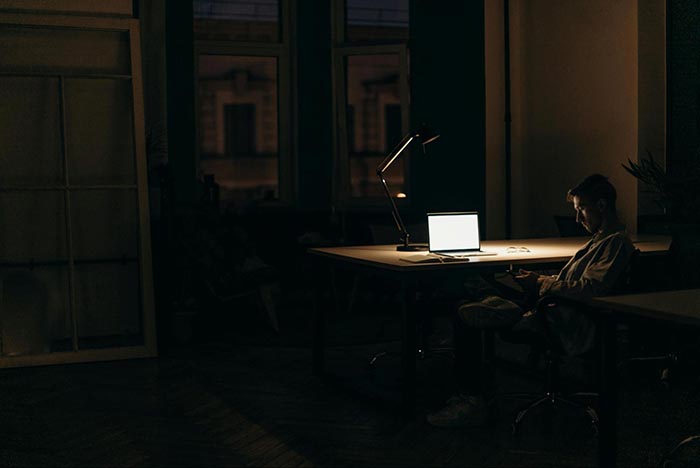
Past midnight at a runway fitting. Ring lights blazing. Three models waiting. And the photographer’s eyes, red around the edges, catching the glow of an editing screen for the eleventh hour straight.
This is modern life for anyone in fashion, media, or content creation. Your vision carries the weight of every scroll, every late adjustment, every “one more look” before wrapping. Screens pull focus. Studio lights never dim. And somehow, your eyes are expected to look fresh for tomorrow’s call sheet.
This piece explores how lifestyle shapes the way your eyes appear and feel. Not the clinical version. The lived version. The one where you’re balancing aesthetics with the reality of deadline weeks, travel days, and that blue glow from your phone at 1am. We’ll dig into habits, quick rituals, and the small shifts that help your gaze stay present when everything else is moving fast.
The New “On Display” Eyes Of Modern Work
Fashion jobs are eye-heavy by nature. Stylists edit lookbooks on laptops for hours.
Photographers toggle between camera screens and desktop monitors. Content creators film under ring lights, then watch playback, then film again. Screen time stacks up fast in these roles, which is why routine check-ins with an eye doctor in Oxford can make sense.
Lighting adds another layer. Fitting room fluorescents. Runway strobes. Studio softboxes. Eyes keep adjusting, rarely resting. Add tablets at checkouts, phones buzzing with casting updates, and vision ends up working all day without a real pause. Over time, regular checkups with an eye doctor Fort Worth residents visit can help keep track of how this kind of strain adds up.
In creative work, daily eye strain often comes from simple patterns like these:
- Constant switching between bright screens;
- Working under artificial lighting all day;
- Focusing on small visual details for hours;
- Rarely taking breaks from close-up tasks;
- Editing late at night on laptops;
- Filming or reviewing content under ring lights.
The result shows up physically. Puffy lids by noon. A gaze that photographs flat. Whites that look less white. This isn’t about diagnosis or treatment options. It’s about how faces read in photos, on video calls, and in mirrors after long production days, the kind of tired-eye look beauty editors often talk about when sharing ways to make the eye area appear more awake.
How Busy Days Show Up Around Your Eyes
Schedule chaos hits the face first. Back-to-back shows mean back-to-back stress. Castings run late. Studio time stretches. The body copes, but the eyes carry everything.
Makeup gets reapplied four, five times. Each touch means more rubbing. Contact lenses dry out under hot lights. Models and stylists alike report that “flat gaze” feeling, where the eyes stop sparkling because they’re just tired of adjusting.
Redness creeps in. Not dramatic, but visible. The kind that makes concealers work harder. The kind that turns a bright-eyed editorial portrait into something that needs extra retouching. Backstage, you can always spot who’s been grinding for weeks straight. The eyes tell on you.
Why Eyes Look Tired Even When You Slept
You got seven hours. Solid sleep. No alarms before sunrise. And yet, the mirror disagrees.
This happens more than anyone admits. Late scrolling plays a role. That blue light from your phone at 11pm stays in your system even after you’ve logged off. Your body rested, but your eyes didn’t quite recover. Blood pools under thin under-eye skin overnight, leaving shadows that foundation barely covers.
Dark circles deepen in creative circles. We’re talking about 60% of designers under 35 dealing with this after 10pm deadlines, according to industry wellness data. Slight swelling adds to the effect. The whites of your eyes lose their clarity. On camera, this reads as dull. In person, it reads as exhausted.
The visual impact matters because eyes communicate before words do. A face can be perfectly made up, outfit flawless, and still look tired because the eyes didn’t catch up. It’s frustrating. Honestly, it’s one of the most common complaints from anyone who works in image-forward industries.
These small routines chip away at how your eyes appear over time:
- Sleeping under six hours regularly;
- Scrolling in bed before sleep;
- Rubbing eyes after mascara wear;
- Skipping water during busy hours;
- Too much salt before big mornings;
- Wind exposure without eye protection.
Over time, habits like these make eyes look more tired than they actually feel.
Small Shifts That Help Eyes Survive Your Feed
Long workdays rarely leave room for big wellness resets. Still, small adjustments during the day can ease strain before it builds up. These quick habits fit into busy schedules and help your eyes cope better with constant screen time:
- Look away every twenty minutes briefly;
- Blink consciously during long edits;
- Dim screens after evening hours;
- Position monitors at eye level always;
- Step outside between video calls;
- Close eyes fully during short breaks.
These simple pauses give your eyes short recovery moments that add up over time.
Quiet Rituals That Make Eyes Look More Awake
Beauty routines don’t end with skincare. Eyes need recovery too, especially after long days under lights and in front of screens. Small, simple habits often make the biggest visible difference.
Cold tools help reduce puffiness. Chilled spoons, eye patches, or even cool tea bags can calm the under-eye area before makeup, which is why under-eye care keeps showing up in beauty roundups focused on looking more rested. Gentle cleansing at night and softer lighting in the evening also give eyes a chance to reset.
Wind down routines that help eyes recover overnight:
- Stop all screens by 9pm;
- Apply a chilled compress before bed;
- Sleep on your back to reduce swelling;
- Use silk pillowcases for less friction;
- Keep bedroom lighting soft and warm;
- Hydrate well in evening hours.
Regular eye checkups can help monitor strain from long screen hours. These steps aren’t about treatment. They’re about supporting how your eyes look and feel in everyday life.
Seeing Your Schedule Differently
Your eyes mirror lifestyle more than age. The schedule you keep, the screens you stare at, the rituals you skip or embrace, all of it shows up around your gaze before it shows up anywhere else.
Think of visual comfort as the newest layer of your style routine. The same attention you give to skincare, to hair, to outfit selection, maybe some of that belongs to how your eyes feel at the end of each day. It’s a choice. Screen time, recovery moments, the small habits that drain or restore.
What your eyes carry tomorrow depends on what you do today. Not dramatic changes. Just awareness. The kind that lets you show up looking like yourself, even when the schedule tries to make you look like someone who hasn’t slept in weeks.