

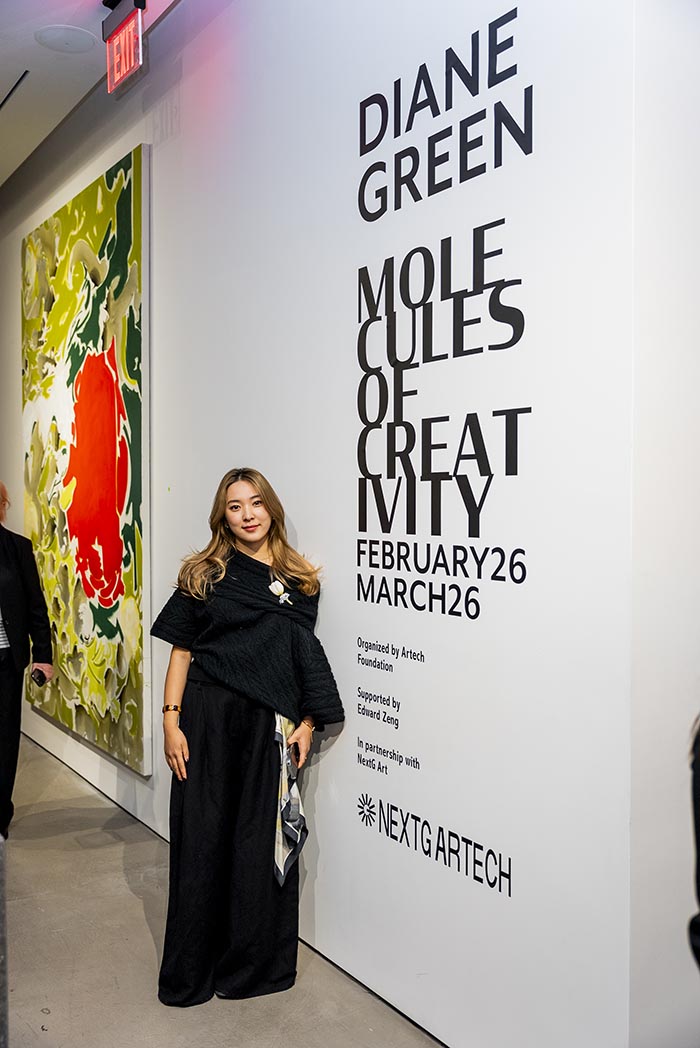
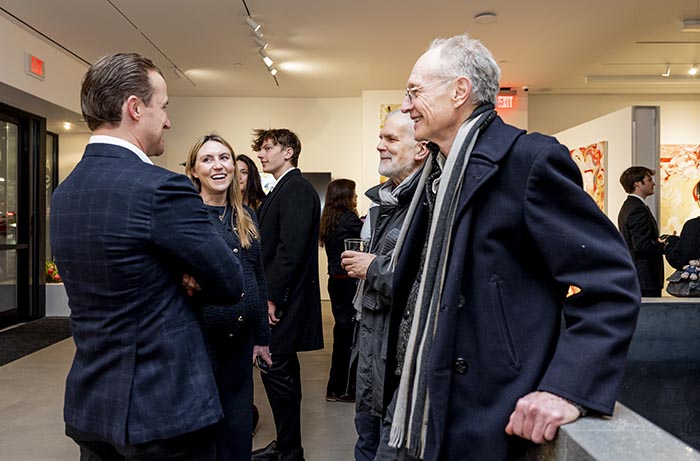
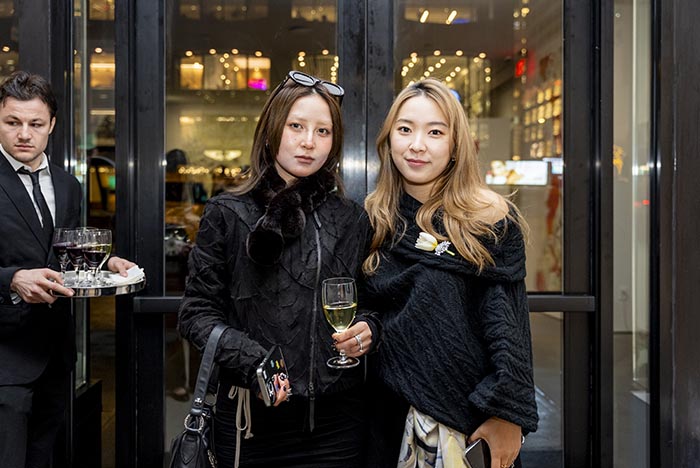
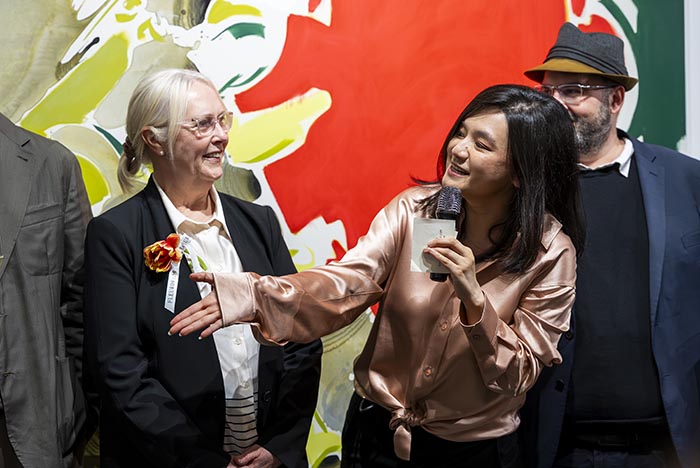
On February 26, acclaimed artist Diane Green returned to the New York art scene with a solo exhibition that did more than present paintings — it reframed them.
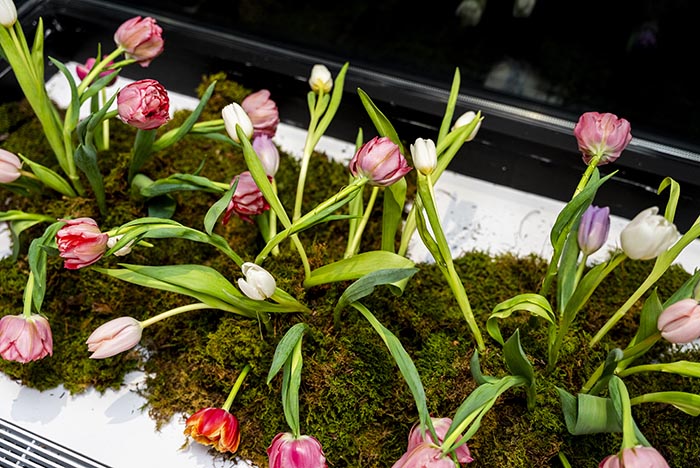
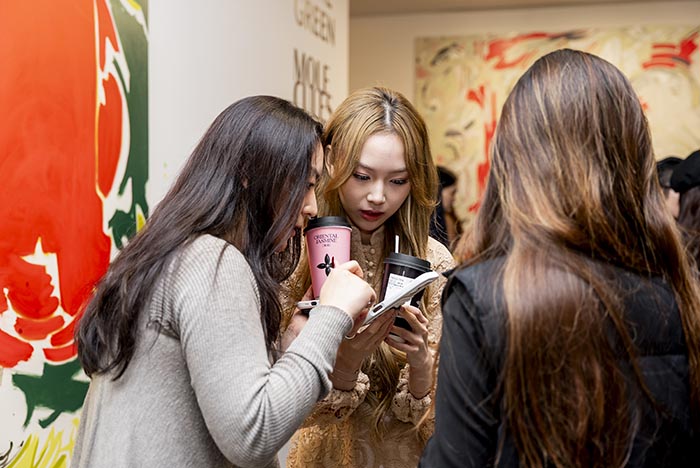
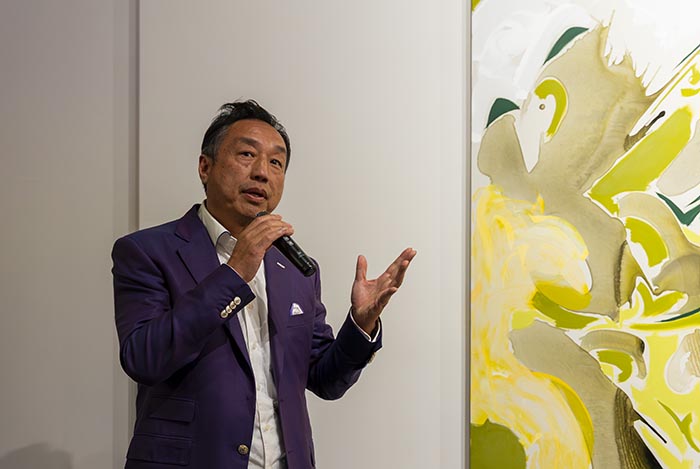
Hosted at Artech Gallery on Park Avenue, Molecules of Creativity, Traveling Through Time and Space stood at the intersection of fine art, immersive technology, and, unexpectedly, couture.
Green, who earned her MFA from Yale University, spent three decades in New York directing the independent art school she founded while maintaining a rigorous daily painting practice. After closing the school in 2019 and relocating to Beacon, New York, she entered a period of deep studio focus. The works presented in this exhibition reflected that quiet, disciplined chapter — paintings shaped by contemplation, restraint, and a sharpened visual voice.
Diane Green
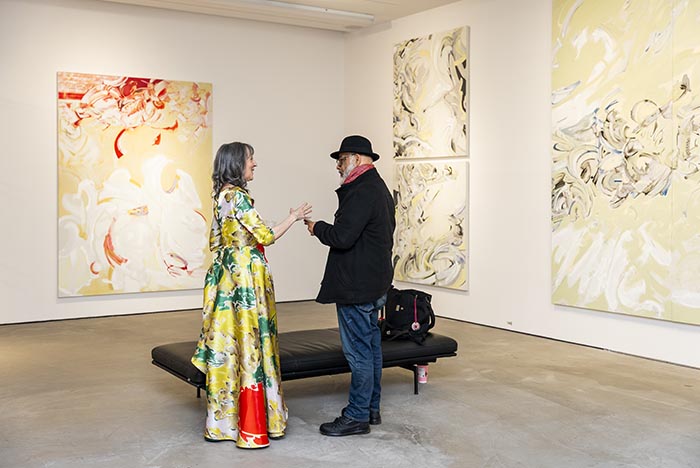
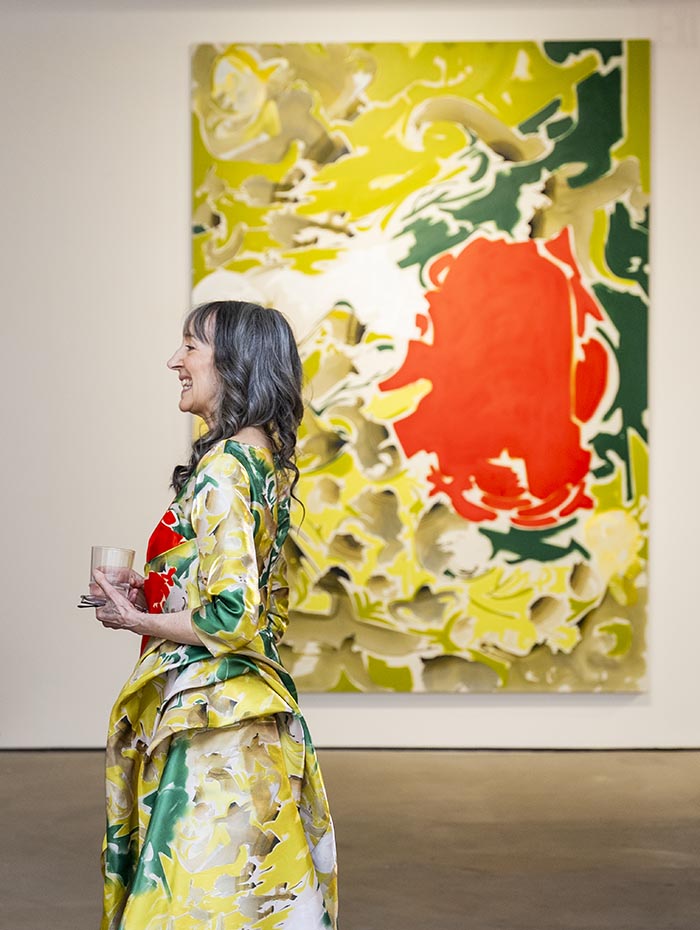
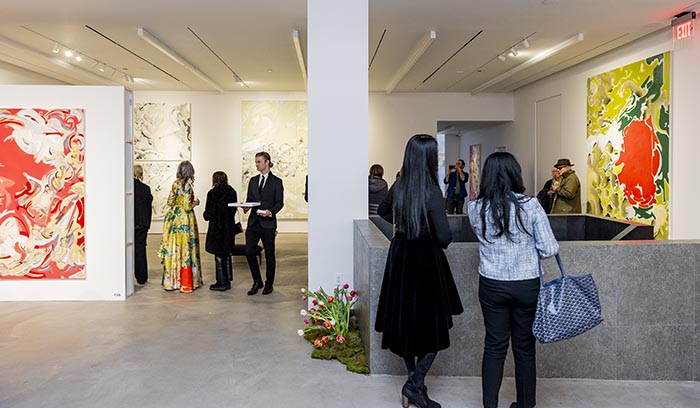
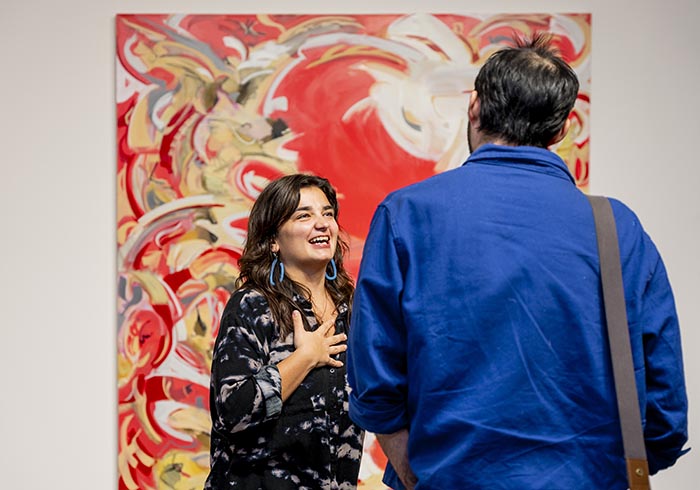
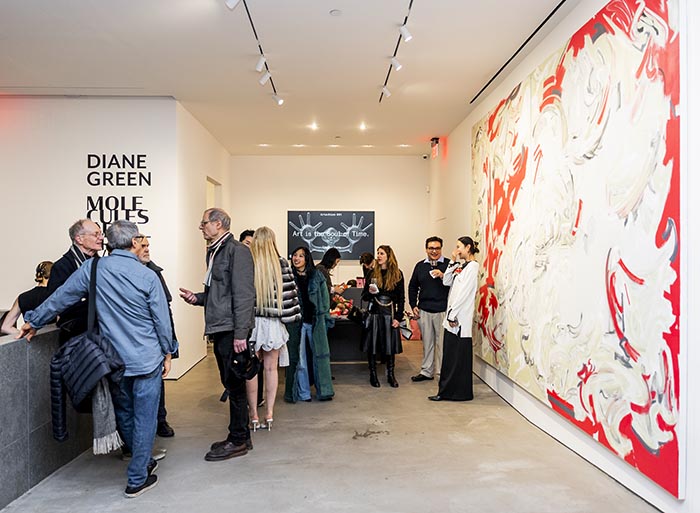
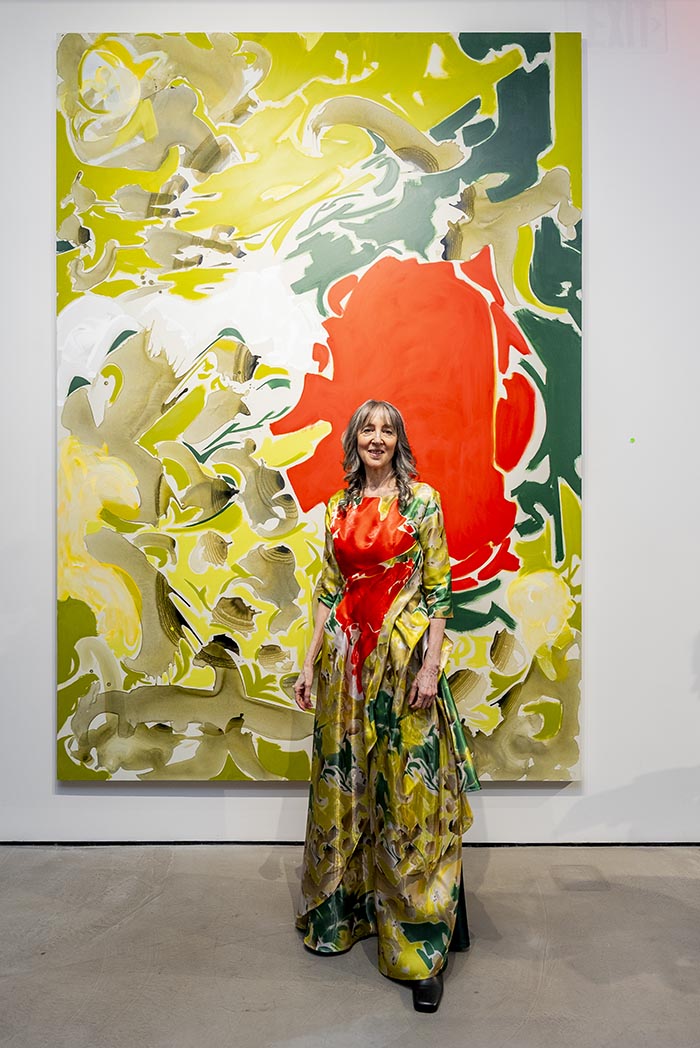
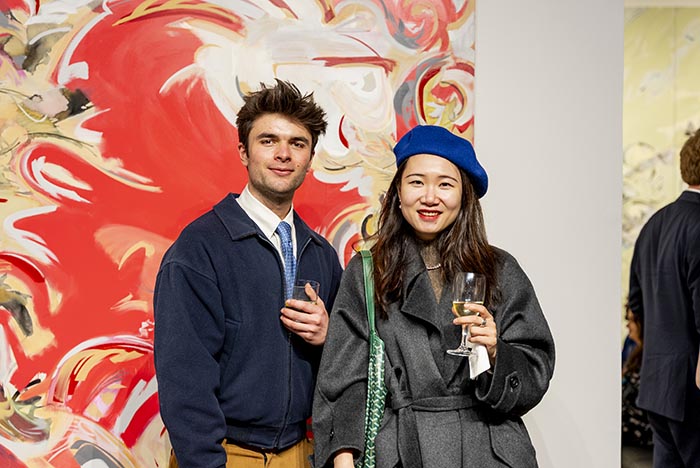
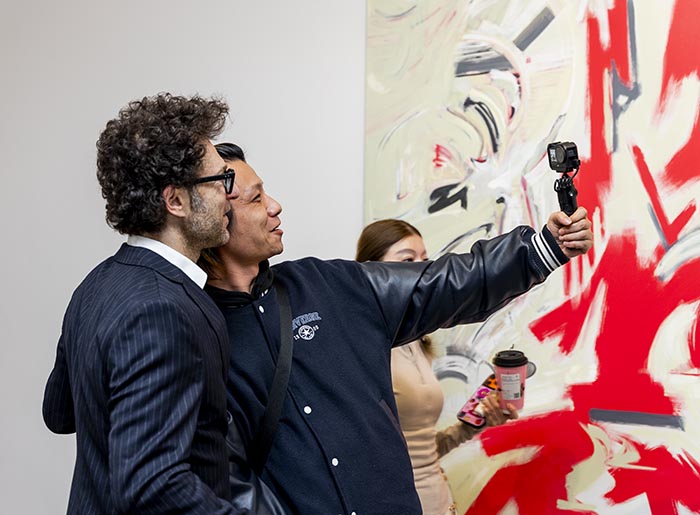
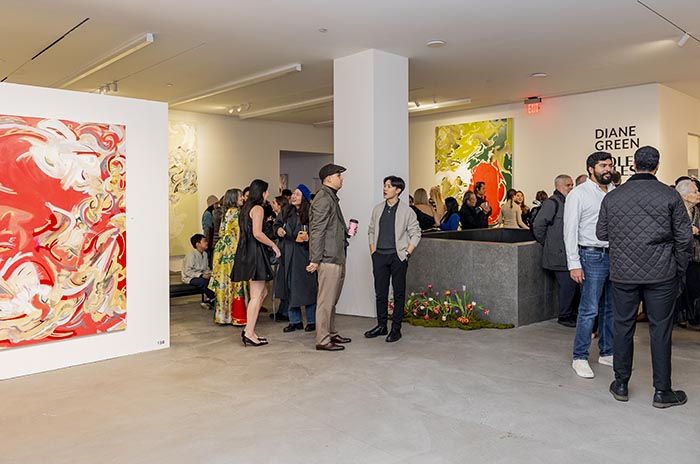

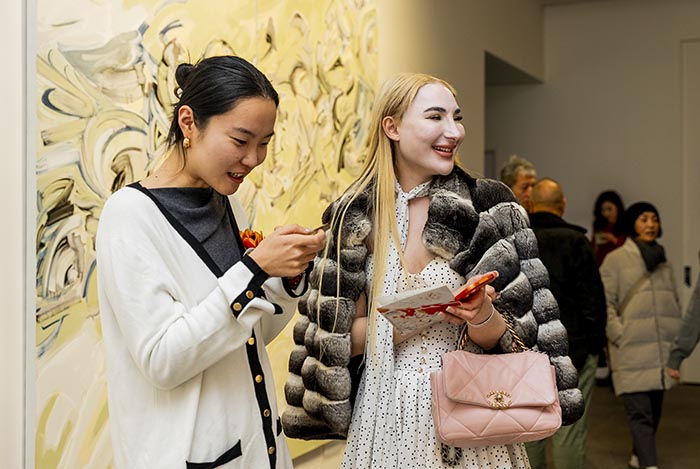
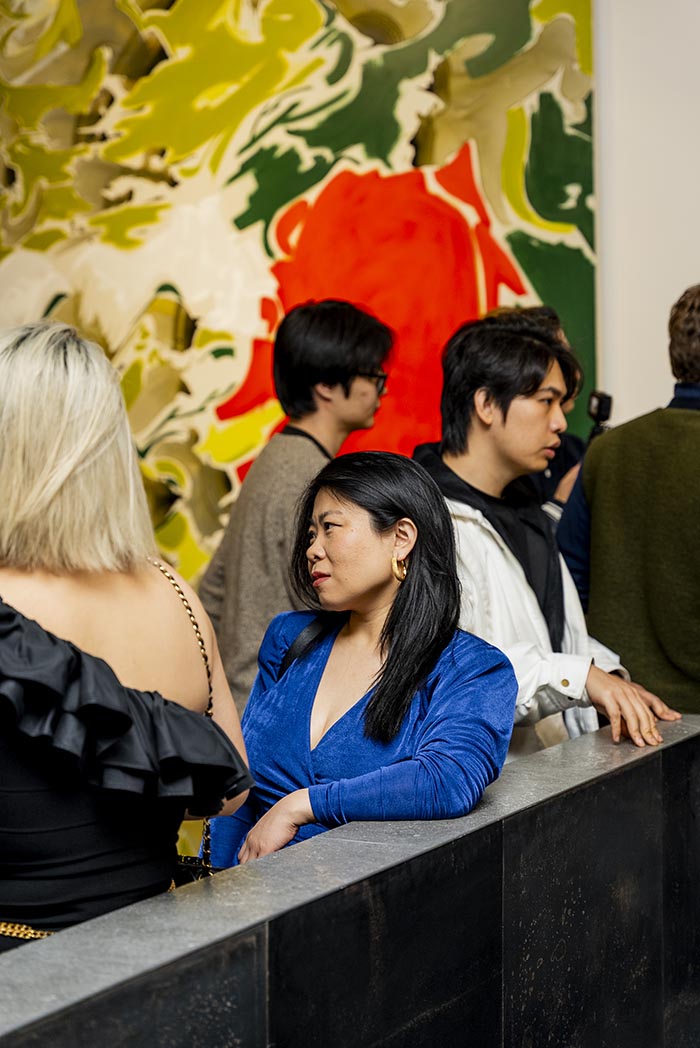
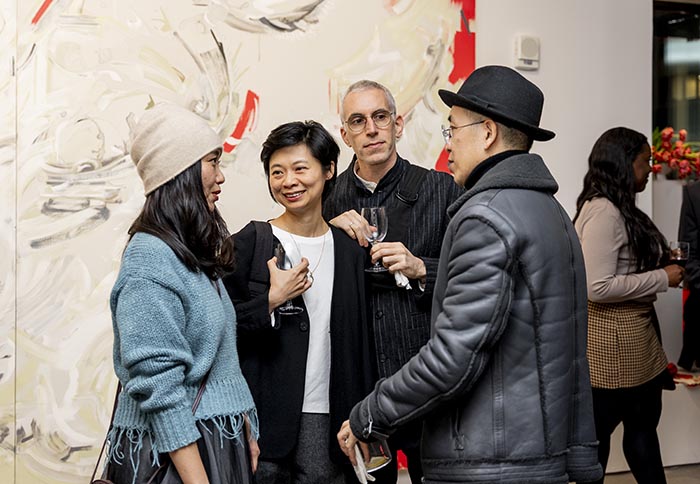
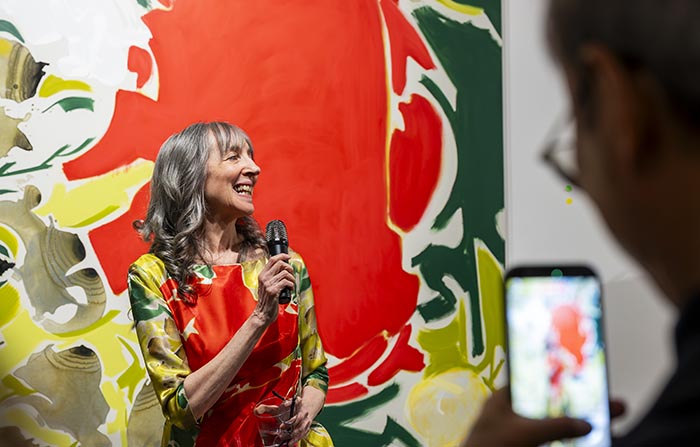
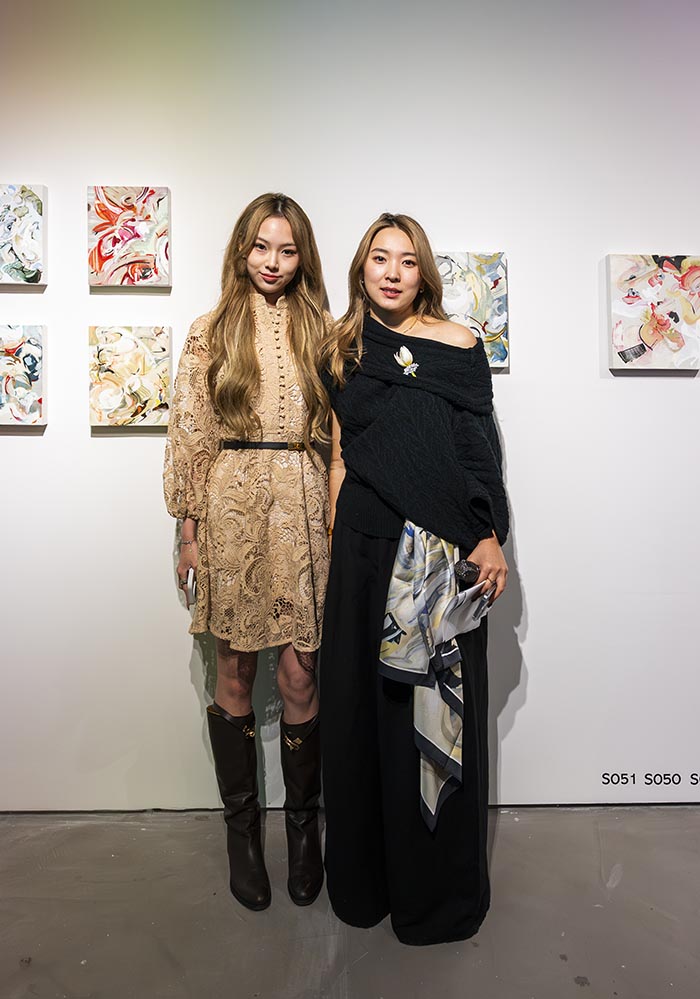
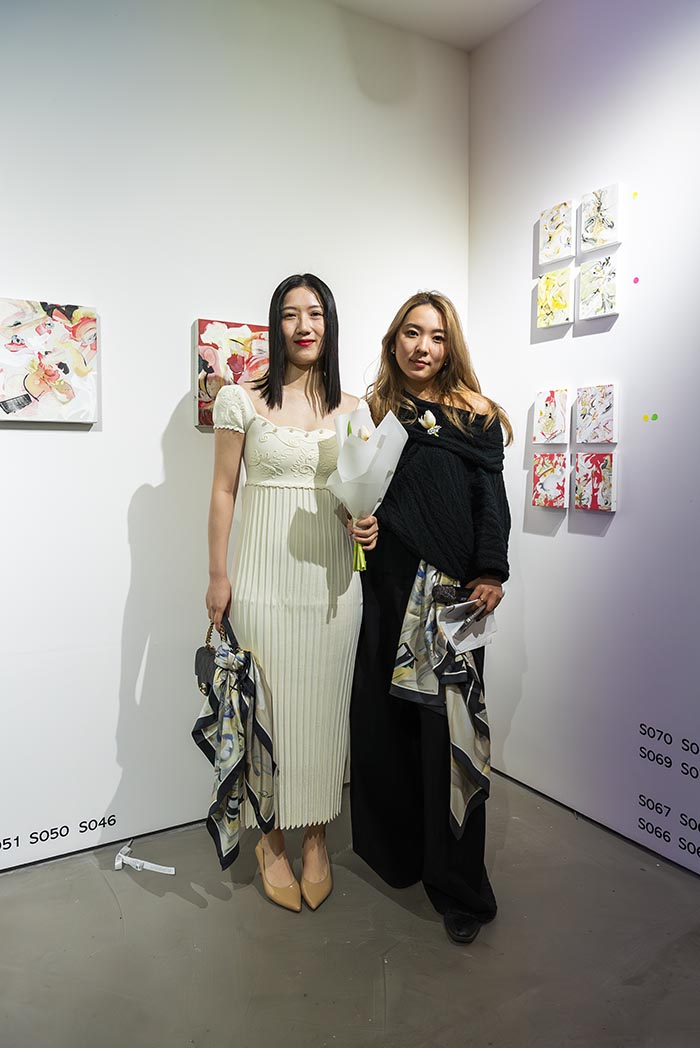
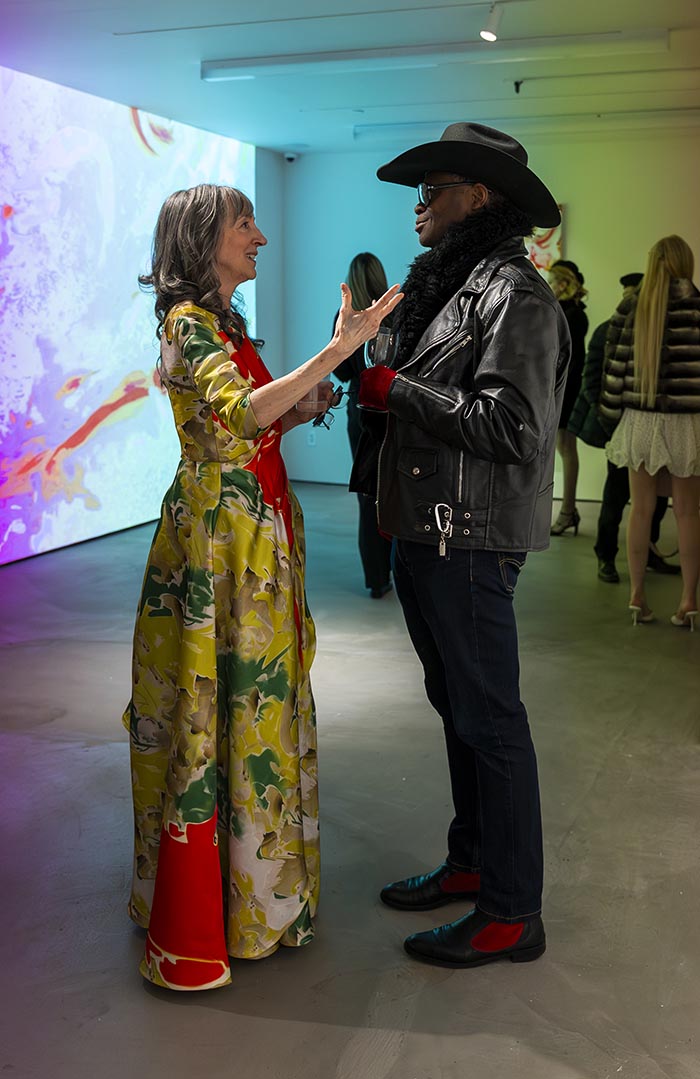
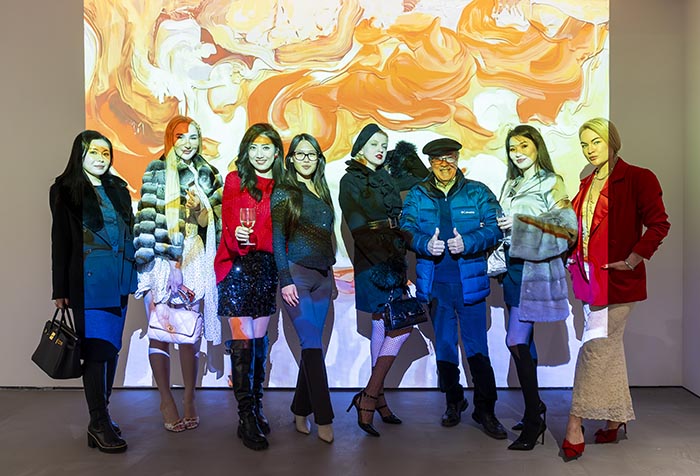
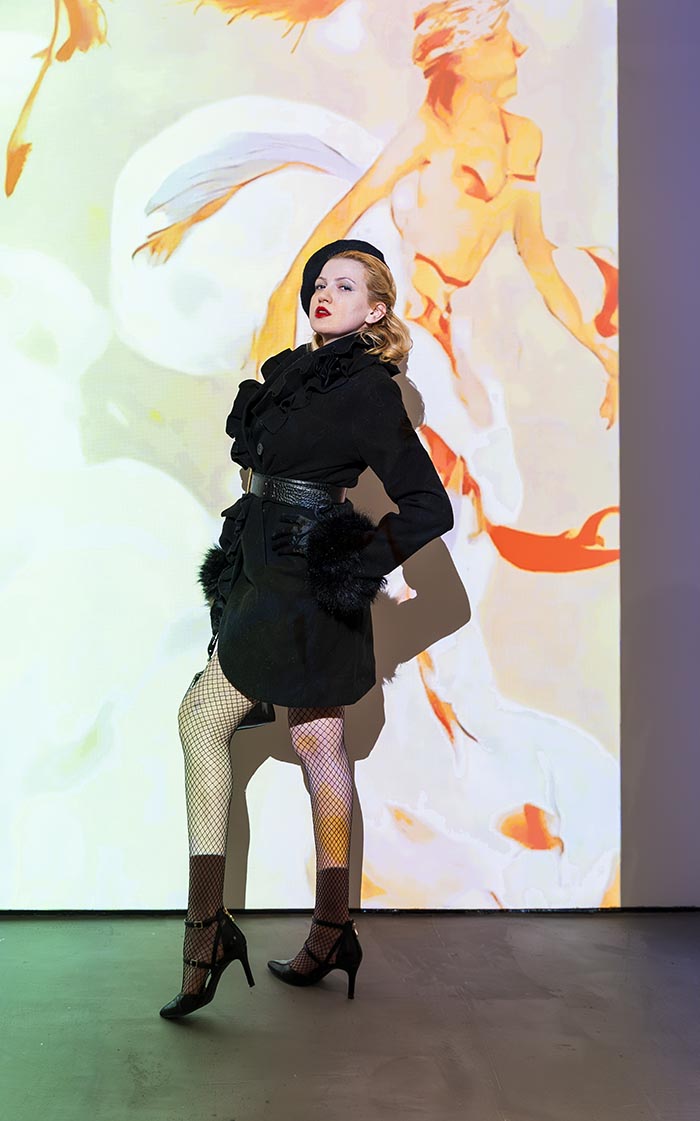
Her aesthetic language synthesized a vast historical spectrum, drawing from Giotto to Willem de Kooning while echoing the bold compositional clarity of Japanese prints and the gestural poetry of Chinese watercolor traditions. The result was a dialogue between Eastern minimalism and Western abstraction — controlled yet alive, meditative yet emotionally charged.
What distinguished this exhibition from a traditional solo show was its technological dimension. Within a custom-built 3D viewing environment, visitors witnessed the precise sequencing of Green’s process. Brushstrokes unfolded digitally in real time, transforming the invisible labor of painting into a spatial narrative. Technology did not overpower the work; it magnified it — functioning as a lens through which the physical act of creation became part of the aesthetic experience.
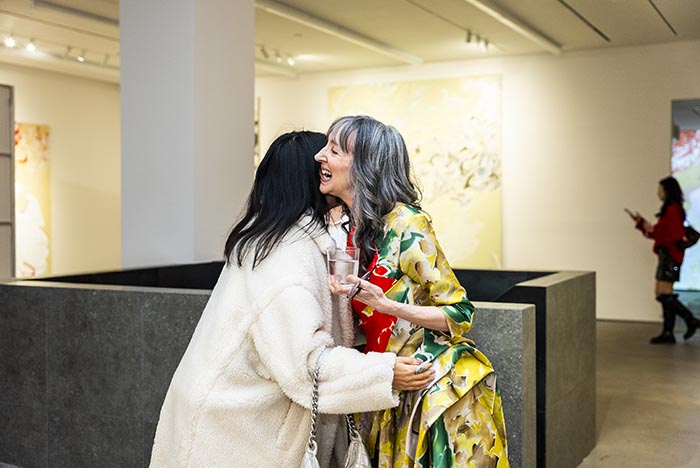
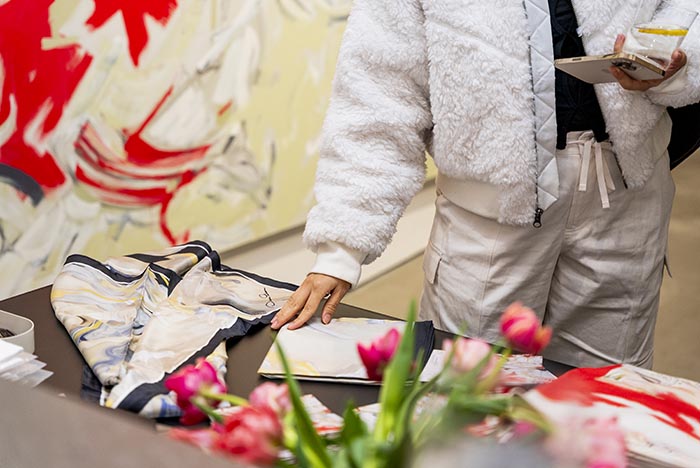
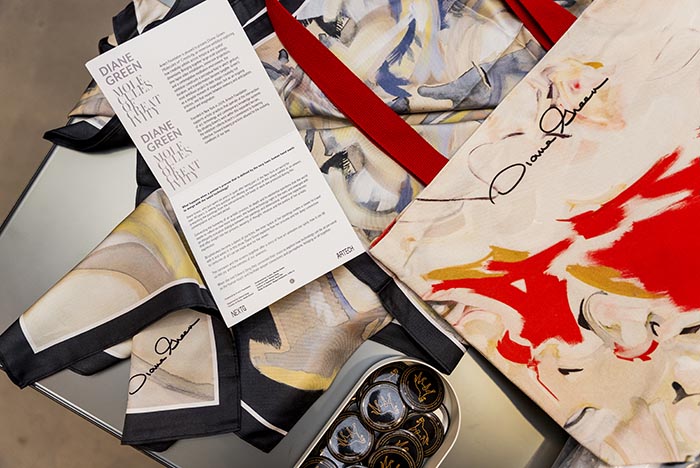
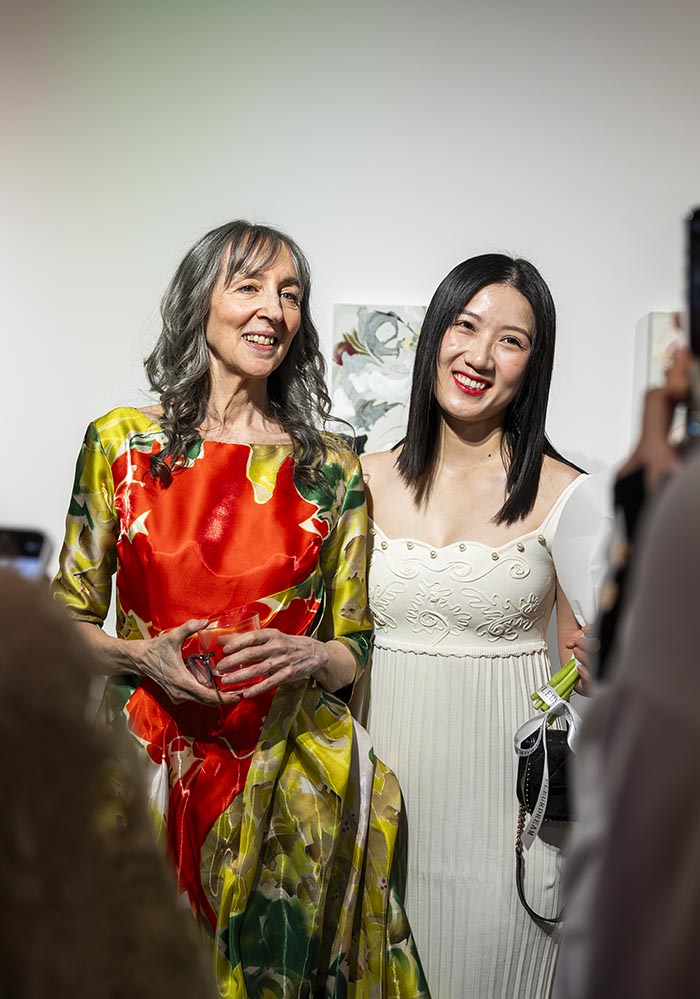
Yet perhaps the most editorially compelling moment of the evening bridged painting and fashion. In a striking gesture, Green transformed one of her paintings into a couture garment — a flowing dress that translated pigment and movement into fabric and silhouette. The piece was not merchandise, nor novelty. It was a continuation of the canvas — abstraction draped in motion. The chromatic intensity and gestural rhythm of her brushwork wrapped the body, turning the wearer into a living extension of the artwork itself.
The gown elevated the exhibition into the realm of fashion narrative. It suggested that painting need not remain confined to stretcher bars and gallery walls. Instead, it moved through space, through light, through human form. In that moment, Green’s concept of “molecules of creativity” felt literal — creativity transferring mediums, evolving, inhabiting new dimensions.
Located at 445 Park Avenue in Manhattan, Artech Gallery provided a fitting stage. The architectural polish of the space complemented the exhibition’s forward-thinking ethos, reinforcing the dialogue between classical discipline and digital evolution.
For Green, embracing technology after decades as a traditional painter marked a significant shift. Yet the foundation remained the same: a belief in painting as a vessel for depth, stillness, and human connection. The immersive elements and couture interpretation did not dilute that foundation — they expanded it.
In an era where fashion and art increasingly intersect, Diane Green’s exhibition demonstrated that the future of painting may not lie solely on the wall — but in how it travels through time, space, and even the body itself.