

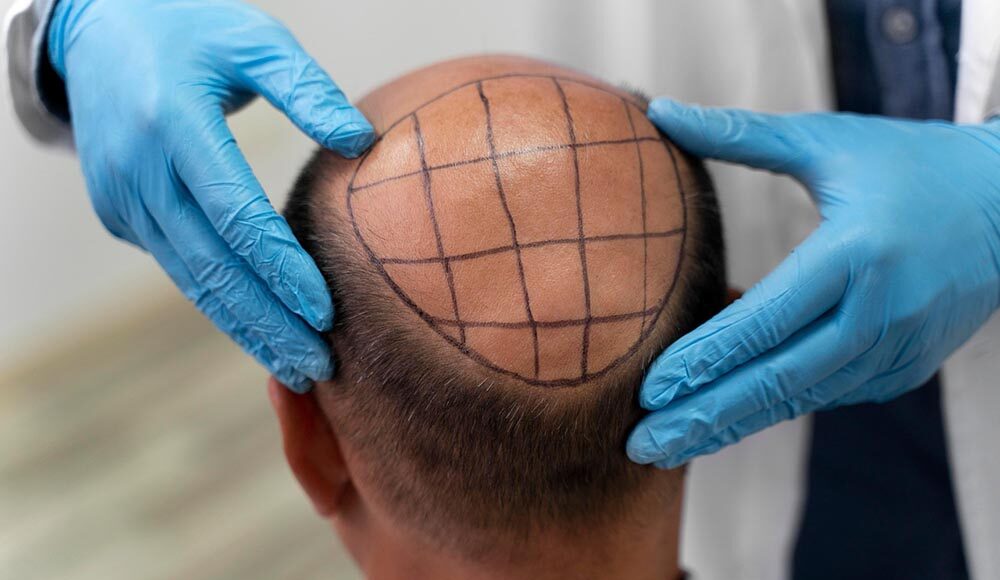
A hair transplant is not only a medical procedure. It is also a form of design. The shape, position, and density of your hairline determine how natural the final result looks.
Even with the best graft quality and the most skilled extraction, a poorly planned hairline will stand out. A well designed one blends in so naturally that no one can tell the difference.
Many people focus on the number of grafts or the size of the thinning area, but the hairline is where your eye goes first. It frames your face. It influences how young or mature you appear. It shapes your expression. This is why the design stage is one of the most important parts of the entire process.
At Total Hair Restoration, time is spent designing a hairline that fits not just the patient’s hair, but their age, facial structure, and long term goals. A great hairline should look good today and still look natural many years from now.
The hairline sets the tone for the whole result
When people look at you, the front of your hair is the first thing they see. Even if your transplant includes the crown or mid scalp, the hairline is what people notice first. If the placement looks even slightly unnatural, it affects the overall impression.
A natural hairline has irregularities. It has subtle curves and small variations in height. No one’s natural hairline is a perfectly straight or perfectly even line. Recreating these small details is what makes the result believable.
When the design is right, everything behind it looks fuller and more balanced.
Age appropriate design
One of the most common mistakes in poor hair transplants is creating a hairline that is too low or too youthful for the patient’s age. A hairline that suits a twenty year old rarely suits someone in their forties or fifties.
A proper design takes age into account. It creates a look that fits naturally with your face and will continue to fit as you get older. This does not mean you cannot have a strong hairline. It means the hairline should reflect your natural pattern for your stage of life.
Age appropriate design is one of the reasons natural transplants remain convincing as the years go by.
Matching your facial structure
Your hairline works together with your eyebrows, forehead, and overall face shape. It needs to complement these features rather than fight against them.
For example:
- A round face may need a softer, slightly curved line.
- A longer face may look better with a more gently shaped design.
- A prominent forehead may need careful balancing to look natural.
These choices are subtle, but they matter. When the hairline matches the structure of your face, it enhances your natural features instead of drawing attention to itself.
This is why a proper consultation focuses on understanding your proportions before any grafts are placed.
Natural irregularities matter
A natural hairline is never perfectly even. It has small ups and downs. It has slight variations that occur naturally before thinning begins. These irregularities soften the appearance and help the new hair blend with any hair you still have.
The most skilled surgeons recreate this by placing single grafts at the very front and arranging them in a pattern that mimics natural growth. Behind those, two hair and three hair grafts increase density.
Without this natural irregularity, the hairline can look flat or artificial, which is the first sign of a poor transplant.
Density planning
A natural hairline does not have the same density as the rest of the scalp. The very front has fewer hairs per square centimetre. As you move backward, density increases.
A good design respects this pattern. If heavy density is placed at the very front, it looks unnatural. If density is too low behind the front line, the overall result looks thin.
Density planning involves dividing the hairline into zones. Each zone uses different graft types to create a smooth transition from the thin natural edge to the fuller mid scalp. The goal is balance, not just coverage.
Long term thinking
Your transplant needs to look good today, but it also needs to look natural in ten or twenty years. A hairline that is too low or dense may look fine now but will stand out as you age.
Thinning may continue in areas that were not transplanted. A well planned hairline takes future patterns into account. It ensures the transplanted area blends with the surrounding hair even if thinning progresses elsewhere.
This long term thinking is what separates a good transplant from an excellent one. It prevents the need for corrections later.
Understanding your natural pattern
Before designing a new hairline, a specialist studies your natural growth pattern. Even if thinning has progressed, there are clues about where your original line sat. Your temples, side patterns, and remaining density help guide the plan.
The goal is not to recreate the exact line you had at sixteen. The goal is to recreate the line that looks right for who you are now. Subtle adjustments help the result look authentic and mature.
Personal preference and realistic expectations
Every patient has preferences. Some want a strong, defined line. Others want something soft and conservative. Your input matters, but it must fit within what looks natural for your face and what will age well over time.
A skilled surgeon will explain what is realistic and why certain designs work better than others. Together, you find a balance that meets your goals while protecting the long term appearance.
How design affects confidence
A well designed hairline changes more than your appearance. It changes how you feel when you look in the mirror. It changes how you move through social settings. It removes the daily distraction of trying to hide thinning.
People often describe the result as feeling more like themselves again. The hairline frames your face in a way that feels familiar and natural.
This is why design is not just a technical step. It is emotional. It shapes your confidence as much as your look.
Why choosing the right clinic matters
Hairline design requires experience, precision, and an understanding of aesthetics. It is not something you want rushed or improvised.
At Total Hair Restoration, hairline planning is done carefully and individually. Every patient receives a personalised design based on their facial structure, age, long term goals, and natural growth pattern. This ensures results that stay natural from every angle.
A great hairline is not noticed. It simply becomes part of you again.
##