

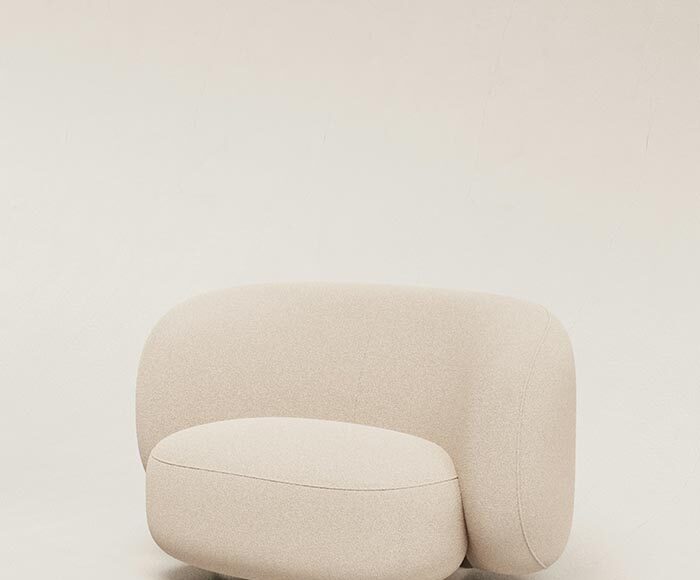
Finding the right furniture involves a balance of aesthetics and physical ease.
Most people spend hours sitting every day, yet many ignore how chairs affect their daily mood. A well-placed seat transforms a corner into a sanctuary. It creates a space where stress fades, and relaxation begins. Choosing the right pieces involves looking at textures, shapes, and positions. Comfort is a personal feeling that changes based on the activity at hand. A room that lacks soft surfaces often feels cold and uninviting. Adding cushioned items brings warmth to a home.
The Science Of Seating Comfort
Proper support is the foundation of any good seat. One academic study mentioned that keeping the trunk-thigh and knee angles at roughly 135 degrees helps maintain a healthy spine curve. This alignment supports the lower back during long periods of rest. Finding furniture that allows for these natural angles keeps the body from feeling stiff. Many modern designs now prioritize these ergonomic factors to improve long-term health. A chair that looks good but feels bad will eventually be ignored. Investing in the right angles makes every minute of relaxation more effective.
Designing With Color And Light
The shades chosen for a room influence how people feel when they enter. A university article explained that neutral tones and natural light help make a space feel calm. Darker colors tend to absorb light, which makes a room feel more intimate and expensive. Selecting the right palette sets the tone for the entire household. Light colors can make a small room feel much larger than its actual dimensions. Using a mix of shades prevents the design from looking too plain. The way a seat reflects or absorbs light determines its visual weight in the room.
Modern Options For Style
Lounge furniture has evolved to meet the needs of busy families. Buying luxury bean bag loungers allows for a flexible layout that suits any activity. These items are easy to move and fit into various decor styles. They offer a unique way to add seating without the bulk of heavy frames. Families appreciate how these pieces adapt to the shape of the person sitting. They are perfect for media rooms or sunrooms where relaxation is the main goal. Having portable options makes it simple to host guests on short notice.
Material Choices For Tactile Appeal
Texture plays a massive role in how a room feels to the touch. A design guide suggested that designers are using more rounded shapes and deeper seating proportions lately. These trends often feature fabrics that invite people to reach out and touch them. Mixing different layers of material adds depth to the visual appeal.
- Rounded sofas with deep cushions
- Plush upholstery that feels soft to the skin
- Tactile layering of different fabrics
- Soft leather finishes for a classic look
Using various textures makes a room feel more curated and thoughtful. It prevents the space from looking like a showroom where everything matches too perfectly. Softness should be felt as much as it is seen.
Balancing Neutrals In The Living Room
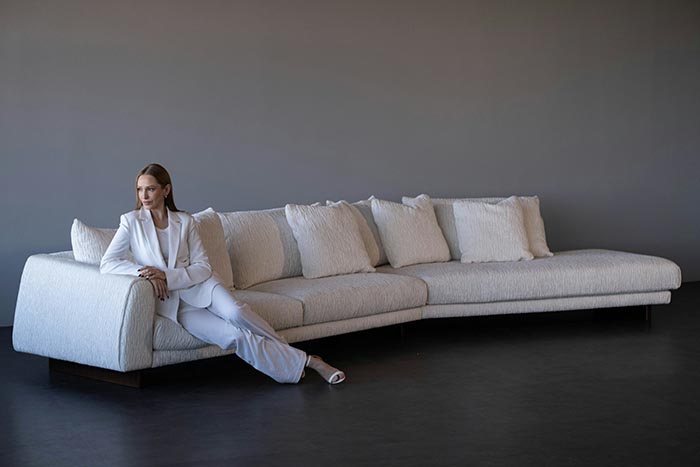
Using soft colors provides a clean base for any interior design project. One home builder noted that shades like stone, biscuit, and clay are effective foundation colors. Adding contrast with tones like taupe or mushroom keeps the look from being flat. This approach creates an environment that remains trendy for years. Neutrals allow for easy updates with colorful accessories later on. They provide a sense of order and cleanliness in a busy home. A neutral palette is often the safest bet for high-traffic areas.
Furniture As Functional Art
Modern pieces are becoming more than just places to sit. A design journal stated that upcoming furniture styles are bold, oversized, and sculptural. This shift moves away from boring shapes toward items that look like art. Large items serve as focal points that command attention in a large room. They show off the personality of the homeowner through unique silhouettes. Even a simple chair can become a conversation piece if the design is striking enough. Functionality does not have to be sacrificed for a beautiful appearance.
Creating Private Zones At Home
As homes become multi-functional, the need for quiet areas grows. A workplace blog highlighted that privacy is being achieved through targeted layers like acoustic wall treatments and screen systems. These additions help block out noise in open floor plans. Creating a dedicated zone for reading or calls improves the utility of the living area. A plush chair tucked into a corner provides a perfect escape from a busy household. Privacy is a luxury that every home should offer in some capacity. Small adjustments to furniture placement can create these mini-retreats.
Every room deserves a spot that invites someone to sit down and stay for a while. A well-designed home is one that puts the needs of the people first. Finding that perfect balance is the secret to a happy living space.