

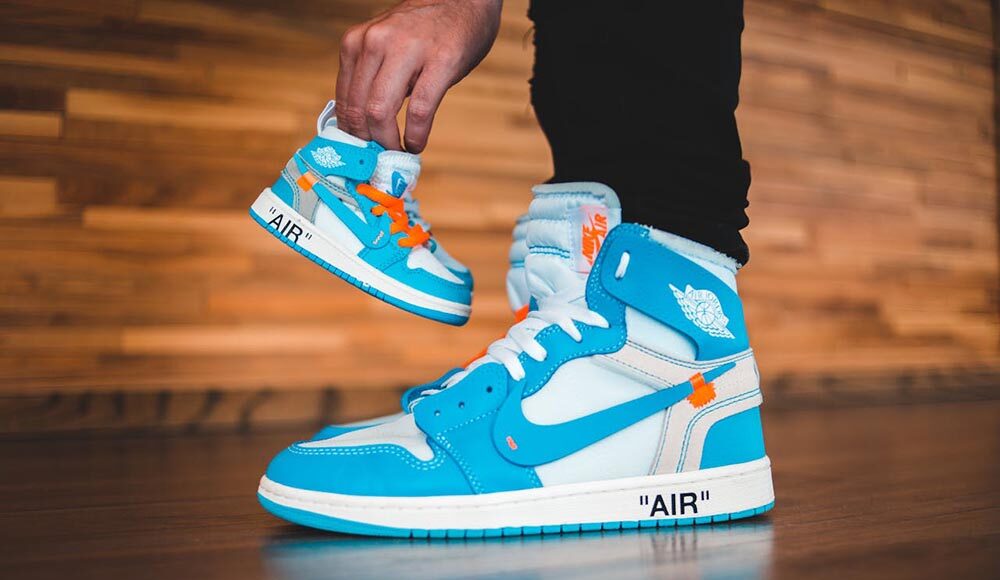
In the intersection of modern street culture and high-end horology, a new language of status has emerged.
It is a world where the rugged, earthy tones of Travis Scott Shoes clash with the cold, precision-engineered steel of a Replica Rolex. On the surface, this pairing seems like a study in contradictions: the raw, chaotic energy of Cactus Jack hip-hop culture versus the rigid, historical prestige of Swiss watchmaking.
Yet, for the modern enthusiast, these two items represent the same thing—the pursuit of a “curated reality.” Whether it is a pair of Travis Scott Jordan 1s with their signature reverse swoosh or a superclone watch that defies even expert scrutiny, the goal is to signal belonging to a tribe that values aesthetics over accessibility and impact over pedigree.
The Cactus Jack Craze: Chasing the Reverse Swoosh
Since his first collaboration with Nike in 2017, Travis Scott has done more than just design sneakers; he has created a visual currency. The Travis Scott Shoes phenomenon is built on a foundation of “ordered chaos.”
The Aesthetic of the Outsider
Unlike traditional luxury, which often leans into polish and perfection, Cactus Jack shoes celebrate the unrefined. From the muddy “Mocha” palettes to the “British Khaki” suedes, these sneakers feel like they have been dragged through the dirt of a Texas rodeo before being placed in a glass display case.
The most iconic feature—the reversed Swoosh on the Travis Scott Jordan models—is a masterclass in subverting expectations. By literally flipping the logo of the world’s most powerful sports brand, Scott signaled a rejection of the “correct” way to do things. It is this rebellious spirit that makes a $200 retail shoe skyrocket to $2,000 on the resale market.
Scarcity as Social Capital
The “drop culture” pioneered by brands like Jordan and furthered by Scott has turned sneakers into a form of digital-age gold. Owning a pair of authentic Travis Scott Jordans isn’t just about fashion; it’s about winning a war against bots, raffles, and skyrocketing prices. For many, these shoes are the entry ticket into a high-stakes game of cultural relevance.
The Rise of Replica Superclone: Redefining the Fake Rolex
While the sneaker world obsesses over “legit checks” and StockX tags, a parallel revolution has been happening in the world of horology. The days of the “street corner” fake Rolex—with its ticking second hand and peeling gold—are dead. In their place has risen the superclone watch.
The Engineering of the Indistinguishable
A superclone is not just a replica; it is a feat of reverse engineering. Today’s top factories use 904L stainless steel—the same “Oystersteel” Rolex uses—and sapphire crystals with near-perfect AR coatings.
The most significant advancement for the Swiss industry is the “clone movement.” Unlike older Rolex replica watches that used generic quartz or cheap Chinese movements, superclones often feature movements that are visually and mechanically identical to the Rolex Calibres. They match the weight down to the gram, replicate the proprietary Chromalight glow, and even include the tiny laser-etched crown at the 6 o’clock position on the crystal.
The “NWBIG” Philosophy
In the replica community, there is a term: NWBIG (Not Worth Buying In Genuine). It represents the tipping point where the quality of a fake Rolex becomes so high that paying the $15,000+ grey-market price for a real one feels like a poor financial decision. For the wearer, the superclone provides the “wrist feel” and social aura of a Rolex without the years-long waitlists or the “Authorized Dealer games.”
The Convergence: Mixing Hype and Horology
Why do we see so many people pairing Cactus Jack shoes with superclone watches? The answer lies in the shift from “Heritage Luxury” to “Impact Luxury.”
In this new paradigm, the primary goal is often cultural awareness rather than just holding an asset. While Travis Scott Jordans bring a rebellious, youthful energy through materials like suede and canvas, a replica Rolex provides a sense of discipline and success through steel and sapphire.
The Confidence Factor
Modern style is no longer about the receipt; it’s about the look. On social media, where value is measured in pixels and likes, the distinction between a $30,000 genuine Daytona and a $600 superclone disappears. When paired with a rare pair of Travis Scott Jordans, the outfit creates a “halo effect.” People assume the watch is real because the shoes are so culturally significant and carry such high “street cred.”
This creates a new kind of authenticity—one based on aesthetic literacy. If you know how to style a “Fragment” Low with a “Pepsi” GMT, you are perceived as having “taste,” regardless of which item has a certificate of authenticity from Geneva.
The Ethics of the “Double Life”
We cannot discuss fake Rolex watches or high-resale sneakers without addressing the elephant in the room: Authenticity.
The Counter-Culture Argument
Many proponents of replicas argue that the luxury industry has become a gatekeeper of the elite. When a teenager can’t buy a pair of Cactus Jack shoes at retail because of bots, or a professional can’t buy a Submariner because they haven’t “built a relationship” with a jeweler, the replica market becomes a form of democratization. It allows the enthusiast to enjoy the design without participating in what they perceive as a rigged system.
The Hidden Cost
However, there is a “soul” to the original. A genuine Rolex represents decades of horological history; a genuine Travis Scott sneaker represents the specific vision of an artist. Replicas, while technically impressive, are echoes. They provide the shadow of the object without the substance of its history.
Conclusion: The New Luxury Frontier
The pairing of Travis Scott Shoes and Replica Rolex watches is the ultimate symbol of the 2026 fashion landscape. We live in an era where the “real” is often inaccessible and the “fake” is indistinguishable.
The modern man isn’t looking for a piece of jewelry to last generations; he is looking for a piece of the present. He wants the rugged, earth-toned rebellion of Cactus Jack and the surgical precision of a superclone. Whether you view this as the “death of luxury” or the “evolution of style,” one thing is certain: the boundary between what we own and what we project has never been thinner.In a world of filters and “fake it ’til you make it,” perhaps the most authentic thing you can wear is the confidence to mix the two.