

The past several years have seen a shift in the thinking of the people about fashion and personal care.
Many consumers are becoming more deliberate in their choices about what they put on, and how they take care of themselves, and do not always follow the latest trends, or have endless stocks of goods available.
This trend is a symptom of a more widespread trend in favor of a considered lifestyle-whereby the decision making process in day to day activities is informed by comfort, quality and durability. Skincare and fashion are no longer considered a distinct category. Both are day to day activities and both affect the manner in which individuals feel during the day.
Consumers are increasingly experiencing the need to choose healthier options that are comfortable to live with and not ones that are going to make them spend the whole day thinking about them.
Why everyday fashion is becoming more intentional
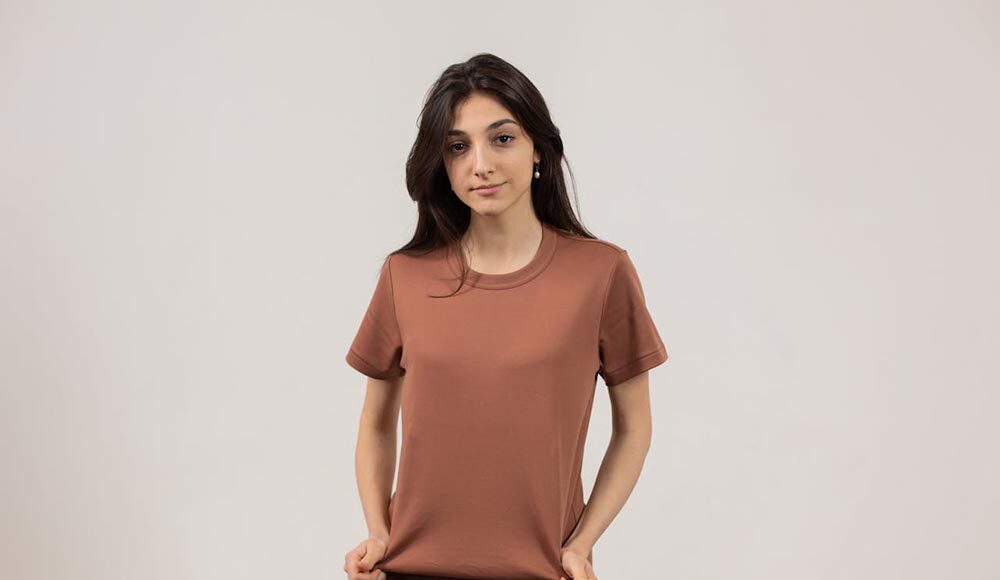
Contemporary wardrobes are more created with functions rather than luxury. Instead of purchasing items to wear once, shoppers are purchasing those that are wearable at any time of the day and at various occasions.
The comfort, the quality of fabrics, the ability to move around have become as important as the appearance. This shift is an indication of the manner in which individuals live. Apparel is supposed to embrace the daily activities, work, errands, traveling, leisure time and not to be seen as limiting or old fashioned.
This means that everyday style with intention has been more attractive than fast fashion which is driven by trends. This shift has been discussed in the industry widely in the established fashion media. To gain a bigger perspective of the changing consumer values in the fashion industry, the readers can check the information provided by Vogue.
The growing connection between fashion and skincare
The same is happening with skincare practices. This is because many people are streamlining their ways of doing things, opting to get fewer items that they can easily sustain in the long run. Rather than intricate routines, the trend is moving towards uniformity, product consciousness, and comfort.
This strategy considers skincare as a well-being issue and not a band-aid solution. The products are selected to promote a healthy skin over a long period of time and to fit conveniently in daily life. This pattern reflects the transformation that has occurred in fashion, where the mental and long term is appreciated rather than the immediate outcomes.
This increasing integration of wellness and everyday living has been observed in health and lifestyle publications. An example is Women, Health, which regularly examines the impact of personal care on the level of comfort and balance.
Fewer choices, better experiences
The preference of fewer, better options is one of the obvious consequences of this shift. The consumers are refurbishing what they have instead of filling up closets or shelves. This simplifies everyday decisions and removes the stress to keep on replacing things.
As time passes, this will create confidence in the products that people select. When clothes and skincare products work reliably and feel good to wear, they become stable aspects of everyday life and not solutions to the problem.
Values are shaping everyday decisions
With the increasing publicity, most people are becoming increasingly conscious of the values of products they patronize. In making their purchases, transparency, sourcing with care and also consideration in design contribute to the purchase. Shoppers are no longer attracted to labels or trends; instead, they are attracted to thoughtful fashion and skincare values that correspond with their lifestyle.
Such a change does not presuppose perfection. Rather, it promotes improvement – choosing what is better when it can and being more deliberate in the long term. It enables both the fashion and skincare to be supportive instead of imposed.
A quieter future for everyday style
In perspective, the future of between-the-world and-me fashion is more relaxed and down-to-earth. Apparel will be focused on comfort and flexibility, whereas skincare will be directed at balance and care. All of these changes are indicative of a larger cultural shift towards simplicity and purpose.
Consumers are defining the meaning of style and self-care by embracing intention in their little and daily decisions. This more sedate style might not be fueled by headlines, but it is defining the way people live, dress and take care of themselves in their daily lives.
##