

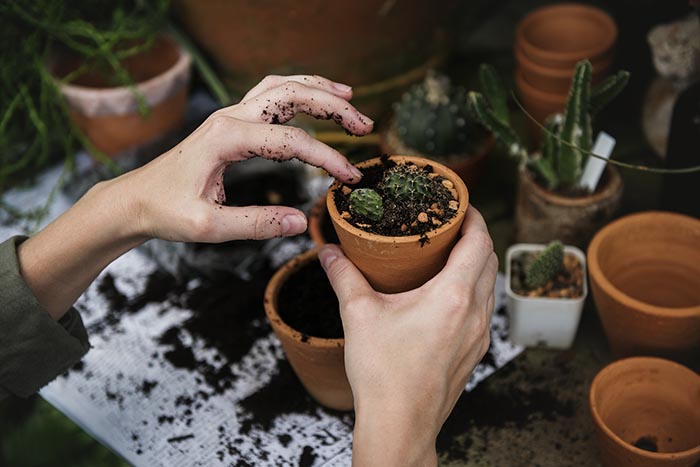
Most people think of gardening as a hobby. Something to fill a weekend afternoon, a pleasant way to spend time outdoors when the weather cooperates.
But a growing body of research suggests the benefits of regular time in the garden go considerably deeper than that – touching on physical health, mental wellbeing, and even long-term cognitive function in ways that are only now starting to be properly understood.
Research from the University of Edinburgh found that people who spent time gardening showed greater lifetime improvement in cognitive ability compared to those who rarely or never gardened. The findings have contributed to a wider shift in how healthcare professionals think about green spaces and outdoor activity – dementia care facilities are now prescribing what’s being called “green therapy,” and care farms are becoming an increasingly recognized part of healthcare systems in several countries.
Vince Braun, Founder, President, and CEO of HealthiStraw, a family-owned Canadian company specializing in sustainable wheat straw products for gardening and homesteading, has spent years watching this connection play out in practice. His perspective is both grounded and straightforward.
“When you’re working with quality materials, you’re not only feeding your plants but creating an environment where both your garden and your health can flourish,” says Braun. “The simple act of spreading straw, checking soil moisture, and tending to plants connects you with natural cycles that our bodies and minds crave.”
And the time commitment required to see real benefits? According to Braun, just ten minutes a day is enough to make a meaningful difference. Here’s why.
The Physical Benefits: Gentle Movement That Actually Adds Up
Ten minutes of gardening doesn’t sound like much of a workout – and in the traditional sense, it isn’t. But that’s precisely the point. Digging, planting, weeding, watering, and spreading mulch engage multiple muscle groups, improve circulation, support joint mobility, and promote flexibility through natural, varied movements. None of it carries the strain or recovery time of more intense exercise, which means it’s accessible to virtually everyone regardless of age or fitness level.
The cardiovascular benefits of this kind of low-impact, consistent movement are well documented. Getting the body moving and the blood flowing daily – even briefly – supports heart health in ways that sporadic intense exercise often can’t replicate.
“People don’t realize how much their body benefits from simple tasks like spreading mulch or turning compost,” says Braun. “Using wheat straw products means less heavy lifting and easier garden maintenance, so people of all ages and abilities can enjoy these physical benefits without overexertion.”
The Mental Health Benefits: A Natural Antidote to Modern Stress
There’s something about being in a garden that almost immediately takes the edge off. The combination of fresh air, physical movement, and direct contact with living things produces a mood shift that many people describe as both instant and lasting. For anyone navigating the relentless noise and screen time that characterizes modern life, even a brief daily session outdoors can serve as a genuine reset.

The repetitive, rhythmic nature of many garden tasks – working soil around seedlings, arranging mulch around plant bases, deadheading flowers – functions much like a moving meditation. The mind has something simple and tangible to focus on, which naturally quiets anxious or racing thoughts. It’s stress relief that doesn’t require an app, a subscription, or a gym membership.
Research consistently links time spent in natural environments with reduced cortisol levels, lower anxiety, and improved overall mood. Daily gardening, however brief, puts that mechanism to work in a practical and accessible way.
The Cognitive Benefits: Exercise for the Brain
Perhaps the most compelling case for daily gardening comes from what it does for the brain over the long term. Gardening isn’t a passive activity – it requires planning, problem-solving, memory, and ongoing learning. Deciding on a layout, tracking care schedules, diagnosing why a plant isn’t thriving, understanding how different materials affect soil health, planning seasonal rotations – all of these tasks engage cognitive functions in ways that many conventional brain exercises simply don’t.
“When you’re managing a garden ecosystem, you’re exercising your brain in ways that computer games or puzzles simply can’t match,” notes Braun. The ongoing nature of gardening – where there’s always something new to observe, respond to, or learn – provides the kind of continuous mental stimulation that research suggests plays a meaningful role in slowing cognitive decline.
Having to think of effective solutions that make every process easier can drastically improve daily engagement with outdoor hobbies. Many homeowners into gardening like installing self watering planter boxes for outdoors that relieve them of the worries regarding consistent moisture levels throughout the week. Reducing the stress of manual upkeep allows individuals to focus on observing plant growth and enjoying the outdoors. Thoughtful equipment choices keep home gardens thriving while maintaining a rewarding and manageable routine.
For older adults in particular, this combination of mental engagement and physical movement may be one of the most effective and enjoyable tools available for preserving independence and quality of life.
The Bigger Picture: Purpose, Routine, and Connection
Beyond the measurable physical and cognitive benefits, daily gardening offers something that’s harder to quantify but no less important: a sense of purpose. Watching something grow as a direct result of your attention and care – whether that’s a container of herbs on a balcony or a backyard vegetable patch – provides tangible, visible evidence that effort pays off. In a world where so much of what we do produces abstract or delayed results, that’s genuinely meaningful.
The routine aspect matters too. Having a reason to step outside every day, regardless of weather or season, establishes healthy patterns that ripple outward into sleep quality, appetite, and general life satisfaction. For older adults, especially, that daily structure can provide a sense of anchoring that supports both confidence and independence.
“The most important thing people need to understand is that consistency beats intensity every time,” says Braun. “You don’t need to spend hours creating a perfect garden. Just 10 minutes daily can make a real difference in how you feel and function. Whether you’re spreading wheat straw mulch around a few containers on your balcony or maintaining a backyard vegetable patch, what matters is showing up regularly and connecting with the process.”
The barrier to entry couldn’t be lower. A windowsill, a single container, a small patch of outdoor space – any of these is enough to begin. HealthiStraw’s GardenStraw, made from 100% non-GMO wheat straw sourced from local farmers, is designed to make that daily routine easier and more effective, so the focus stays on the experience rather than the effort.
Ten minutes. That’s the investment. The returns, it turns out, are considerably larger.