

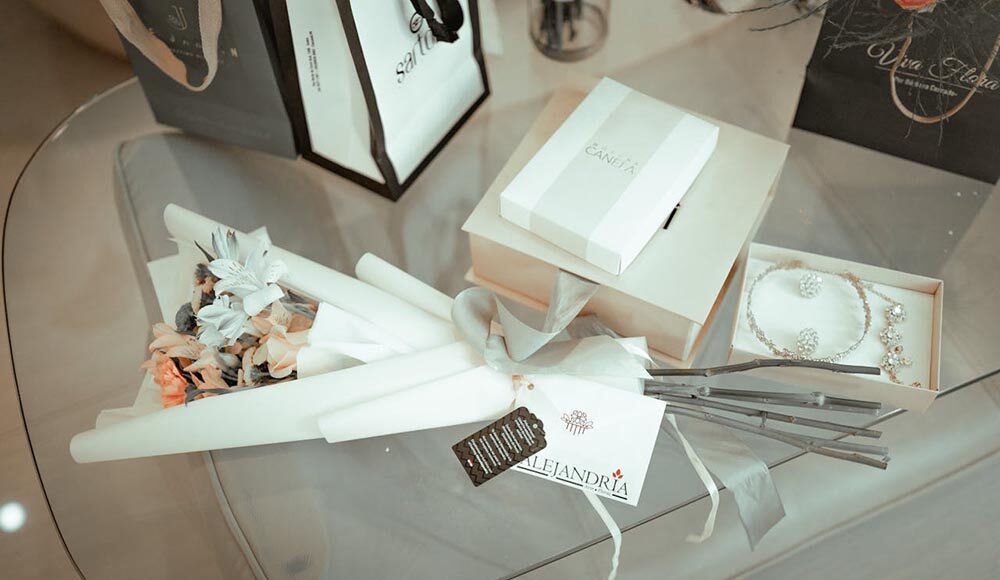
Apparel packaging boxes show the way how clothing brands reflect their products to customers.
They have evolved from being just an envelope for shipping protection and have been included in the whole brand experience. The whole process, starting from first impressions and going as far as recalling the brand over a long period, is directly influenced by packaging, increasing customers’ perception of the product’s quality and value.
In the fashion industry, where the competition is extremely fierce, and customers expect more every day, packaging choices are determining factors for both the selling and the brand loyalty. Getting acquainted with the materials, designs, and functional features of apparel packaging will bring an enlightened decision that is in line with a brand’s mission.
The Purpose of Apparel Packaging Boxes
Packaging boxes for clothes are not only protective but also serve many other purposes; their main role is to keep the clothing items free from damage while in stock and moving.
The product’s packaging, which plays another major role, is to display the product. It is often the case that customers associate the quality of the product inside with the quality of the outer packaging.
Common Materials Used in Apparel Packaging
Choosing the appropriate material is paramount when it comes to packaging design for clothing. Cardboard is the most common and widely used material because it has a good combination of strength and low cost. It seals off clothing items most securely and even provides the support of various printing techniques.
The use of corrugated packaging is mostly decided upon shipments of heavier clothing items. Its composition, having layers, provides the material with durability and resistance to shock. This kind of material is perfect for wholesale shipments and e-commerce deliveries. Luxury apparel brands normally count on rigid boxes for their collections.
They come with a robust structure and sophisticated appearance that lifts the whole unboxing experience. Quite a number of brands depend on luxury packaging for fashion to declare the message of exclusivity and artistry.
Packaging Types for Various Apparel
The necessity for different types of packaging varies with different apparel items. The foldable cartons are mainly for shirts, casual wear, and lightweight garments. These boxes require less space for assembling and, when stored, thus making them the most economical to use by brands having large volumes.
Drawer-type boxes are often the choice when it comes to packaging formal wear and accessories. Their sliding feature adds an interactive element to the presentation, thus enhancing it. This style is used most often in the best apparel packaging solutions for gift-oriented products.
Mailer boxes have become a staple packaging option for online clothing retailers. They are constructed to survive shipping conditions while still looking neat when delivered. Their structure permits branding both outside and inside the box.
Importance of Branding in Apparel Packaging
The use of branding is one of the major factors that determines the effectiveness of the packaging boxes for apparel. A clear message from the brand helps to gain the customer’s trust right from the beginning. A customer’s first physical experience with a brand is the packaging. Conversely, luxury and high-quality finishes are generally the first impressions that come to mind in connection with embossing or foil stamping, which are widely used in a luxury apparel packaging market that competes for its uniqueness.
Sustainable Trends in Apparel Packaging
The foremost factor in the selection process for packaging materials is sustainability. Consumers regard environmental dilemmas as the most important concern and demand that companies be environmentally responsible. Recycled paper boxes for clothing are a method of reducing the environmental burden. Currently, there are two kinds of packaging materials that are widely used and which are biodegradable and recyclable.
Moreover, the trend of re-usable packaging, which is still gaining ground, is another trend. In that case, the storage or secondary use boxes will compel the customers to keep them for a longer duration thus minimizing waste.
Customization and Its Impact on Customer Experience
Customization allows firms to adjust their packaging to the different personalities of product lines or even to the moods of the marketing campaigns.
Use of specially made inserts, tissue paper, and printed interiors gives the packaging a luxurious feel. The unboxing experience has been made more thrilling and memorable due to the inclusion of these elements. Actually, the application of distinctive packaging is not only among the brands that want to showcase their seasonal sales or limited stocks, but also for those using it as a marketing tool to draw attention.
One of the methods to make the packaging lively and appealing is to rotate the colors or inscribe particular messages for the respective collections. The custom clothing packaging is one of the reasons that most brands consider establishing an emotional bond with consumers via packaging to be their top priority.
Packaging plays very often plays a small role but turns out to be the most important factor in winning positive feedback, reviews, and sharing on social media.
Functional Features of Apparel Packaging Boxes
The functionality is, indeed, the same as the appearance in importance. The apparel packaging boxes should be the kind that are easy to open and close without hurting the product. A poor design can be a source of customers’ frustration, and at the same time, it may lead to a negative impact on the brand perception.
The ventilating features might be a must for fabrics that are sensitive to moisture. Secure closures, on the other hand, stop garments from moving around and getting damaged during transit. Magnetic closures and tuck-in flaps are the most common types of closures that are used for both security and convenience.
To keep the clothing safe during transit, interior protection is very necessary.
Apparel Packaging for E-Commerce Businesses
The e-commerce phenomenon has led to the modification of packaging standards in the clothing sector. Now, packing has to be very attractive while resisting long shipping routes. Packaging boxes for apparel specifically made for the e-commerce industry are usually characterized by heavy-duty and lightweight construction, both being the main factors of their usability. Efficiency in shipping is another chief consideration.
Packages that are made to order eliminate shipping costs and cut down on the waste of materials. Moreover, appropriately sized packaging creates a happy customer by not giving them a negative experience with oversized emptiness.
Unboxing has turned into a major marketing avenue for online retailers. The presentation of the product in attractive packaging not only invites people to share their experiences but, as a result, the visibility of the brand increases.
Packaging Solutions for Accessories and Related Products
Cloth makers often provide garments with accessories. Hence, packaging solutions should be flexible enough to deal with different shapes and sizes. For instance, small boxes or partitioned designs are very suitable for products like belts or scarves.
When it comes to brands that include beauty products as well, the flexibility of packaging is an absolute must. Some companies that sell custom pressed nails for fashionable nail art have custom press on nail packaging for their products, which are targeting younger customers.
Using the same type of packaging across the different categories of garments and accessories helps to project a unified brand image. It also contributes to the management of stocks and production processes being less complicated.
Cost Considerations in Apparel Packaging
The budget significantly impacts the packaging decisions. The use of premium materials and finishes not only improves the product’s aesthetics but also considerably raises the cost as well. This is why corporations are compelled to strike a balance between the product’s visual appeal and its technical properties.
Producing in bulk usually lowers the cost for each unit. A lot of companies opt for using standard box sizes to make the production process easier. This way, they can keep costs under control, and at the same time, the quality will not decrease. Strong and good-quality packaging can also be a reason for cutting costs in the long run. Durable cartons result in fewer returns due to breakage, thus both saving money and using fewer resources.
Quality Control and Packaging Standards
It is a must for the apparel packaging boxes to have the same quality standard all the time. Brand reputation can be damaged by poor printing, weak structures, or misaligned branding.
Therefore, regular quality checks are necessary to ensure the packaging quality is up to the mark. There might be different packaging standards according to the area or shipping mode.
Clear communication on the specifications helps to reduce the mistakes and waiting time caused by the production.
The Future of Apparel Packaging Boxes
The innovation and the changing consumer expectations are the major factors that determine the future of the apparel packaging boxes. Among the smart packaging features, the usage of QR codes allows companies to communicate product information or sustainability stories. According to the theory, minimalist designs will continue to be in trend as the companies will opt for more aesthetic and less material usage. On the other hand, the creative structural designs will still flourish and will be a part of the packaging developments.
With the progress of technology, it will be the packaging that will be able to deliver more story and engage the customers more skeptically. The companies that will follow this change will be the ones that will be losing out in the competition of the changing apparel market.
In Conclusion
Apparel packaging boxes are a part and parcel of the life of modern clothing brands. They not only offer a protective layer to the products but also act as a means of communicating the brand’s values and providing a better customer experience.
The steps involved in the packing process, such as selecting the raw materials and functional design, to mention the least, are the key factors to the success of the brand. The packaging will be required not only to comply but also to adapt to the trends of today and tomorrow, which are, among others, sustainability, personalization, and online shopping.
##