

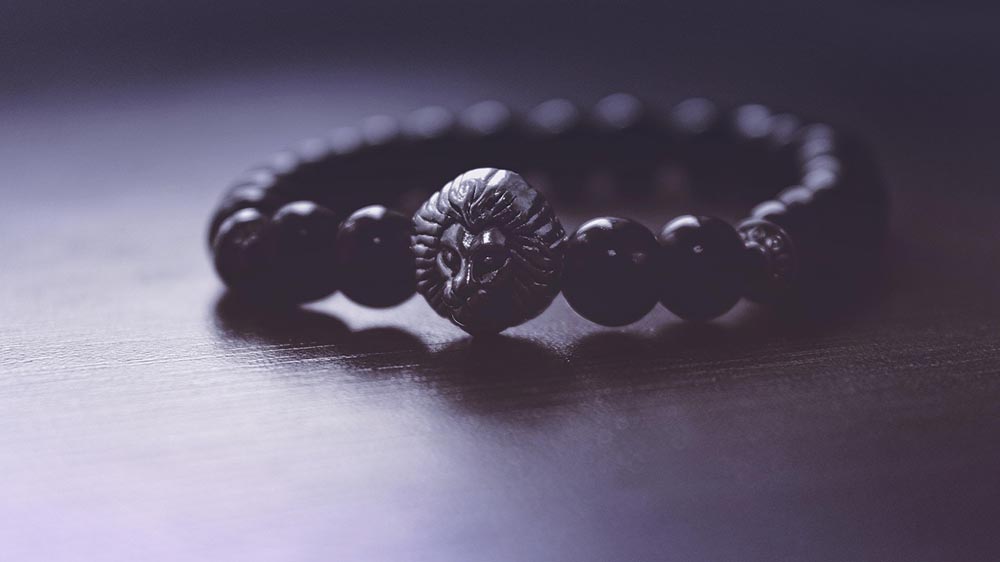
Paracord beads transform basic cord into personalized accessories. These small additions serve as focal points, closures, and structural elements that elevate handmade items from simple to striking.
Adding beads creates visual interest, improves functionality, and allows customization without advanced skills.
The Evolution: How We Got Here
Ten years ago, paracord crafting meant basic survival bracelets with cobra weaves. The aesthetic was purely tactical. Early adopters focused on emergency preparedness, creating bulky wrist pieces that prioritized utility over style.
The limitation was obvious: these accessories looked identical. Several manufacturers tried introducing decorative cord with printed designs, but these faded quickly and felt gimmicky. The market needed something different.
Modern paracord bead integration solved this problem. Beads add customization points without compromising cord strength. They create visual breaks in repetitive weaving patterns and introduce materials like titanium, copper, and hand-carved wood. Today’s paracord accessories balance durability with personal expression.
Essential Materials for Getting Started
You need three core components: paracord, beads with appropriate holes, and basic tools.
Quality 550 paracord contains seven inner strands and supports 550 pounds. Choose colors that complement your bead selection. Mixing two or three cord colors creates depth.
Beads require holes large enough for your cord thickness. Most paracord beads feature 4mm to 6mm holes. Lanyard beads work exceptionally well for paracord projects because their oversized holes accommodate multiple cord passes, and their sculptural designs add three-dimensional interest to flat weaving patterns—making them perfect for statement pieces that stand out.
Basic tools include:
- Scissors for cutting cord
- Lighter for melting cord ends
- Measuring tape for accurate sizing
- Hemostats or tweezers for threading cord through tight spaces
What Makes a Good Paracord Bead?
Good paracord beads share specific characteristics. The hole diameter must match your cord thickness with minimal friction. Sharp interior edges damage cord fibers, so inspect holes carefully before purchase.
Weight matters significantly. Heavy metal beads work for bracelets worn occasionally but become uncomfortable for daily wear. Polymer beads reduce weight while maintaining visual impact.
Surface finish affects longevity. Powder-coated finishes chip easily with regular use. Anodized aluminum or naturally finished materials age gracefully and develop character over time.
Choosing Between Bead Materials
| Material | Weight | Durability | Price Range | Best Use Case |
| Titanium | Very Light | Excellent (corrosion-proof) | $8-25 per bead | Daily wear bracelets, items exposed to water |
| Brass | Heavy | Good (develops patina) | $3-10 per bead | Statement pieces, keychain accessories |
| Polymer Resin | Light | Fair (can scratch) | $1-5 per bead | Practice projects, casual accessories |
| Hand-carved Wood | Medium | Fair (moisture sensitive) | $5-15 per bead | Decorative pieces, gifts |
Five Core Weaving Patterns That Showcase Beads
The cobra weave creates a flat, wide band. Position beads at the center or ends. Thread the working cords through the bead before completing each knot sequence. This pattern uses approximately 10 feet of cord per inch of finished bracelet.
The snake weave produces a rounded, tubular result. Beads integrate naturally by threading them onto the core strands before weaving. This works well for necklaces and longer accessories.
The fishtail weave forms a tight, intricate pattern. Add beads at regular intervals by pausing the weave, threading the bead onto both working cords, then continuing the pattern. This creates visual rhythm.
The king cobra wraps around a completed cobra weave. Insert beads between the two layers for a floating effect that catches light from multiple angles.
The trilobite weave creates maximum visual density. Small accent beads integrate into the side loops, requiring precise spacing but delivering impressive results.
Step-by-Step: Creating Your First Beaded Bracelet
Measure your wrist and add one inch. This determines your core cord length. Cut your working cord to approximately ten times this measurement for a basic cobra weave.
- Thread your core cords through your chosen bead and position it at the midpoint
- Fold the working cord in half and place it behind the core cords
- Complete three cobra knots to establish the pattern
- Thread both working cords through a second bead
- Continue the cobra weave for three more knots
- Add beads at your preferred intervals until reaching desired length
- Finish with a sliding bead closure or traditional knot
Pull each knot tight before adding the next bead. Inconsistent tension creates gaps that weaken structure and look uneven.
How Much Cord Do You Actually Need?
Cord consumption varies by pattern complexity. The cobra weave requires 10 feet of cord per inch of finished length. King cobra doubles this to 20 feet per inch. Fishtail patterns use approximately 12 feet per inch.
Adding beads reduces cord consumption by roughly 10 percent because beads replace weaving sections. A seven-inch cobra bracelet with four beads needs approximately 63 feet of working cord instead of 70 feet.
Always add an extra three feet as a safety margin. Running short forces you to restart completely.
The Trade-Off: Beauty vs. Structural Integrity
Choosing maximum bead integration creates stunning visual impact but sacrifices structural integrity. Each bead interrupts the continuous weaving pattern, creating potential weak points where stress concentrates during wear.
The optimal compromise places beads at three-point intervals: one centerpiece bead and two symmetrical accent beads positioned at the quarter points. This configuration maintains 75 percent of the bracelet’s structural weaving while delivering visual interest. High-stress items like dog leashes or climbing gear should minimize bead count or restrict beads to non-load-bearing decorative sections.
Think of it like a suspension bridge. The cables provide continuous strength. Adding decorative elements to the cables looks impressive but creates stress concentration points. Engineers solve this by placing aesthetic elements at support towers where loads transfer to the structure. Apply the same principle to paracord: place beads where adjacent weaving sections can absorb stress, not in the middle of long unsupported spans.
Five Common Mistakes That Ruin Projects
Mistake One: Forcing oversized cord through undersized bead holes
This seems logical when you have materials on hand. The bead looks perfect for your design.
The friction damages the outer sheath as you pull cord through. Interior fibers separate and bunch. After several wearing cycles, the cord frays at the bead exit point. A bracelet that should last years breaks within weeks. You lose the time invested in weaving and the cost of materials.
Mistake Two: Melting cord ends before final fitting
Speed matters when you’re excited to finish. Sealing ends early prevents unraveling while you work.
The melted ends create rigid tips that won’t fit through beads during final adjustments. When you discover the bracelet is too loose or too tight, you can’t modify the length. You either accept poor fit or cut away the sealed ends, losing an inch of carefully woven work. Your seven-inch bracelet becomes a six-inch bracelet that no longer fits. You waste an hour of weaving time and restart from scratch.
Mistake Three: Ignoring bead orientation in asymmetric designs
Decorative beads often feature carved details or directional patterns. Focusing on the weaving process, you thread beads randomly.
Skull beads face backward. Directional patterns point in opposite directions on the same piece. The finished bracelet looks careless despite hours of precise knotwork. The visual discord bothers everyone who sees it. Professional-looking accessories require bead orientation consistency, but fixing this means unweaving half the project.
Mistake Four: Using lightweight beads on heavy-use items
Polymer resin beads cost less and come in brilliant colors. They seem perfect for a dog leash handle wrap.
Polymer has lower abrasion resistance than metal. Daily use against concrete, grass, and hands wearing rings grinds down the surface. Within three months, your carefully chosen beads show visible wear patterns and exposed base material. The item looks worn out while the paracord itself remains pristine. You replace the entire project early, doubling your actual cost.
Mistake Five: Skipping the test weave with new bead types
You ordered specialty beads online. The product photos looked perfect. You start your main project immediately.
Halfway through weaving, you discover the bead holes have sharp interior burrs that snag cord fibers. Each pass creates more damage. Backing out is impossible without cutting the piece apart. You complete the bracelet knowing it has hidden weak points. The bracelet fails during normal wear, potentially at an inconvenient moment. The initial time savings from skipping a test costs you the entire project plus your reputation if you made it as a gift.
Advanced Techniques: Sliding Adjustable Closures
Sliding bead closures eliminate traditional clasps. Create two long cord ends extending from your finished bracelet. Thread both ends through a large-hole bead in the same direction. Then thread them back through in the opposite direction, creating a loop.
The bead slides along the parallel cords, adjusting the bracelet circumference. This design fits multiple wrist sizes and removes easily without fumbling with clasps. Use barrel-shaped beads with smooth interior holes for best sliding action.
Secure the cord ends with small accent beads and melted tips. The double-pass through the sliding bead creates enough friction to prevent accidental loosening during wear.
Creating Multi-Strand Designs
Advanced crafters combine multiple thin paracord strands with carefully chosen beads to create complex textures. Using three strands of 275 paracord instead of one 550 strand allows beads to grip individual strands while others pass through.
This technique works brilliantly for necklaces where weight distribution matters. Separate the strands, thread one through a bead, then recombine them for the next weaving section. This creates a cascading effect where beads appear to float at different depths.
Color coordination becomes critical. Choose three complementary shades that create depth when woven together. Metallic beads on matte cord or vice versa maximizes visual contrast.
Beyond Bracelets: Expanding Your Projects
Paracord beads enhance numerous accessories beyond wrist pieces. Keychains benefit from a single statement bead that adds weight for easy pocket retrieval. Dog collar decorations use flat beads that won’t catch on furniture.
Zipper pulls on outdoor gear to gain functionality with textured beads that glove-wearing hands can grip easily. Camera strap wraps incorporate beads at stress points, distributing load across a larger surface area.
Bag handles wrapped in paracord with strategic bead placement reduce hand fatigue during extended carrying. The beads create grip variation that prevents the continuous pressure points of smooth cord.
What the Experts Say About Material Selection
Expert advice from Sarah Mitchell, Tactical Accessories Designer: “The biggest mistake I see is choosing beads for looks alone. A gorgeous bead that weighs three ounces will make any bracelet uncomfortable after twenty minutes. Weight-to-visual-impact ratio matters more than pure aesthetics. Titanium costs more upfront but delivers the best long-term wearing experience.”
Technical Details Most Crafters Miss
Most people don’t realize paracord’s inner strands serve different purposes. The outer seven strands provide tensile strength. Removing one or two inner strands creates a slightly flatter cord that passes through smaller bead holes more easily while retaining 80 percent of the original strength.
Bead hole finish matters more than hole size. Chamfered edges at hole entry and exit points reduce cord wear by 40 percent compared to sharp-edged holes, according to material stress testing. This detail rarely appears in product descriptions but dramatically affects longevity.
Temperature affects cord behavior during the melting process. Paracord melts at 220 degrees Celsius. Lighters produce flames at 1,000 degrees Celsius. The massive temperature difference explains why quick passes work better than sustained exposure. Brief contact melts just the surface, creating a sealed tip without compromising interior strand integrity.
The Strongest Argument Against Using Beads
Highly decorated paracord accessories with multiple beads create undeniable visual impact. However, minimalist designs often prove more practical for daily wear and emergency use.
Single-bead designs work better for professional environments where subtle accessories fit dress codes. A titanium bead catching light occasionally reads as a quality watch or wedding ring would. Multiple colorful beads cross into costume jewelry territory that conflicts with business casual dress.
For users who prioritize the emergency utility of paracord, excessive beads create problems. Each bead adds time to unraveling in genuine emergency situations. If someone truly needs rapid access to cord for first aid or equipment repair, a clean cobra weave with minimal decoration serves better than an intricate beaded piece requiring careful disassembly.
The core principle remains: match your design to your primary use case. Statement pieces for weekend wear deserve maximum decoration. Daily carry items benefit from restraint.
Care and Maintenance for Longevity
Paracord handles moisture well, but beads require specific care based on material. Rinse metal beads with fresh water after saltwater exposure to prevent corrosion. Dry wooden beads completely before storage to prevent warping or splitting.
Inspect the cord sections immediately adjacent to beads every few months. These areas experience the most friction and show wear first. Catching a small fray early allows simple repairs. Ignoring it leads to complete failure.
Store finished pieces loosely coiled rather than tightly bound. Constant compression at bead locations creates permanent deformation in the cord that weakens structure and looks unprofessional.
Expert advice from Marcus Chen, Materials Engineer: “UV exposure degrades paracord faster than most users realize. Six months of direct sunlight exposure reduces tensile strength by nearly 30 percent. If you make pieces for outdoor use, choose UV-resistant cord and metal beads that won’t accelerate photo-degradation through heat concentration.”
Starting Your First Project Today
Begin with a simple cobra weave bracelet featuring three beads: one centerpiece and two accents. This project teaches fundamental skills without overwhelming complexity.
Purchase twenty feet of 550 paracord in your preferred color, three metal beads with 5mm holes, and ensure you have scissors and a lighter. This complete material set costs under fifteen dollars.
Follow the step-by-step process outlined earlier, taking time to ensure consistent tension. Your first attempt will take ninety minutes to two hours. The second piece will take half that time as muscle memory develops.
The satisfaction of wearing something you created with your own hands, customized exactly to your preferences, makes this time investment worthwhile. Each completed project builds skills for increasingly complex designs.
Paracord bead crafting offers endless variation within a simple framework. Master the basics, then let your creativity drive increasingly personal designs.
##



