
The rise of personalization in fashion accessories is setting a new benchmark for modern luxury.
Consumers are shifting focus from bold branding to distinctive, identity-driven pieces that tell a personal story. Individual customization, from modular hardware to engraved details, signals a wider change in what it means to express style.
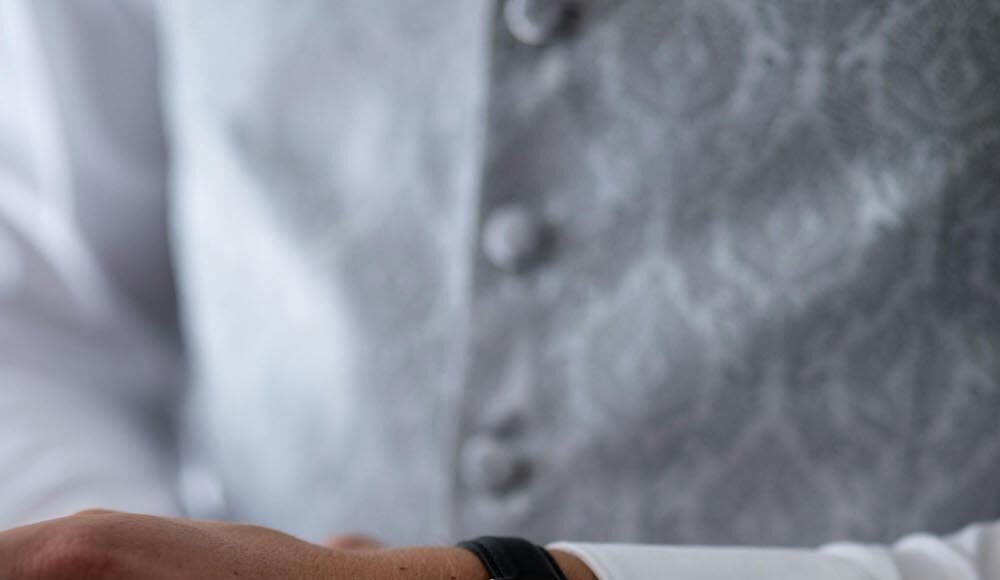
Personalization in fashion accessories has become a defining feature of the luxury landscape, moving beyond traditional logo-heavy statements toward pieces that genuinely reflect the wearer. Today’s emphasis on identity-driven design resonates with those who value self-expression and want their accessories to work across multiple facets of daily life. Apple Watch SE straps highlight the current appetite for functional style choices you can tailor to your look, showing how even the most tech-forward accessories adapt to personalization trends. This evolution matters because it allows you to engage with your style on a deeper level, making the search for luxury not just about status but about individuality and legacy.
From logo-centric to identity-driven luxury
Historically, luxury accessories were synonymous with visible logos and overt branding, offering clear status cues. This approach fit well with a fashion culture that prized external recognition as a key element of prestige and success.
Now, shorter trend cycles and the pervasive influence of social media have helped accelerate a new approach. People seek pieces that look entirely their own, blending seamlessly with their personal style while standing apart in a crowded digital landscape.
The shift away from conspicuous branding reflects a broader cultural maturation within luxury markets. Discerning consumers now prioritize craftsmanship, heritage, and personal narrative over immediate recognition, seeking accessories that communicate sophistication through subtlety rather than volume. This transition has encouraged brands to invest in customization platforms and bespoke services, recognizing that exclusivity today is less about scarcity and more about the unique relationship between object and owner. The democratization of information through digital channels has also empowered buyers to appreciate the finer details of construction and material quality, making informed choices that align with their individual aesthetic values rather than following prescribed status symbols.
Contemporary forms of personalization in design
Personalization in fashion accessories today takes several practical forms. Monogramming and tailored inscriptions have gained renewed attention, appearing on small leather items, luggage, and jewelry to lend each piece a sense of ownership and intimacy.
Modular and interchangeable components allow you to reconfigure a single item and adapt it for different settings or moods. Bespoke colorways and made-to-order finishes offer additional avenues for creativity, giving you a measure of control over the materials and appearance of your accessories.
Editorial influence and the value of craft
Runway presentations increasingly favor individuality over uniformity, often showcasing accessories that are intentionally mismatched or stacked in creative ways. This emphasis on distinct styling signals a new preference for authenticity rather than traditional sets.
In editorial shoots and lookbooks, stylists highlight how varied combinations can bring depth and originality to a wardrobe. These choices extend to details such as stitching techniques, custom hardware, and engraving, reflecting the resurgence of artisan skills as a marker of modern luxury.
Personalization’s impact on styling and sustainability
Customizable accessories can help you transform a foundational wardrobe, transitioning items seamlessly from work environments to casual weekends or more formal occasions. The ability to swap out straps, charms, or finishes means a single high-quality base item can read as new each time it’s worn.
Modularity has additional benefits, as it supports sustainability by reducing the need for frequent replacements. While fast fashion forgoes longevity for turnover, personalized and modular pieces encourage thoughtful use and investment, in line with broader movements towards responsible consumption.
Tasteful personalization requires attention to proportion, metal finish, and color harmony, ensuring that customized choices remain elegant rather than overwhelming. As designers refine these offerings, they continue to position personalized accessories as an enduring luxury code grounded in subtlety and individuality.