

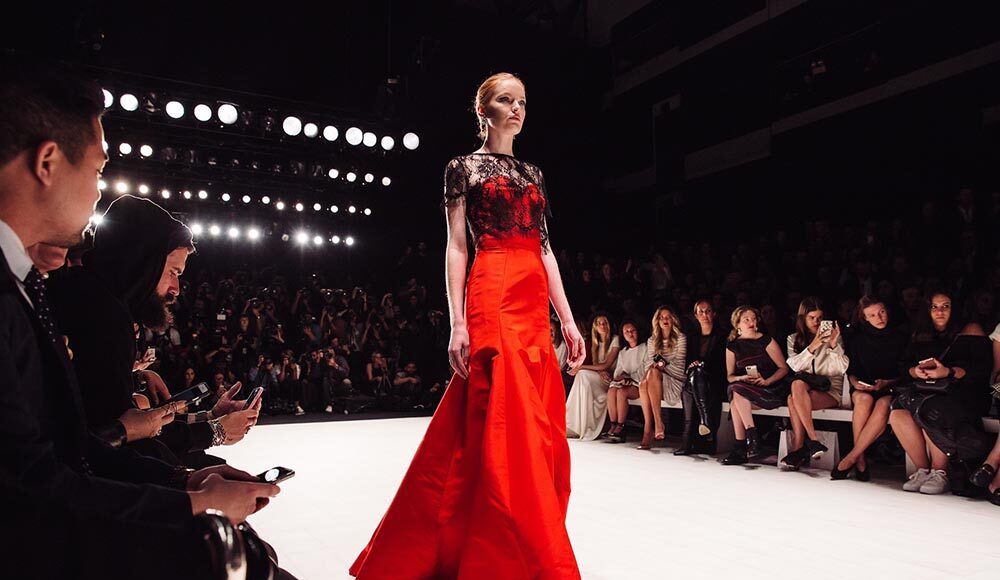
Fashion Week is often seen as a world of cameras, celebrities, and expensive clothes.
At first glance, it may look far from the classroom. Yet, for students, it can become a surprisingly rich lesson in cultural history.
Every runway look has a background. A jacket may borrow from military dress. A pattern may come from folk art. A fabric may tell a story about trade, migration, or handmade craft.
In this way, Fashion Week is not only about trends. It is also about memory. Clothes can speak about who people were, what they valued, and how they wanted to be seen.
Fashion Week as a Living History Lesson
History can sometimes feel distant to students. Dates, wars, and royal names may seem like pieces of a puzzle with missing corners. Fashion Week helps fill those gaps with images, colors, and human stories.
When students watch a runway show, they do not just see outfits. They see references to old traditions, social classes, religious symbols, and political ideas. Fashion turns history into something visible.
A teacher can use Fashion Week to start many useful discussions, including:
- cultural heritage in modern clothing;
- traditional textiles and handmade techniques;
- social status shown through dress;
- gender roles and fashion rules;
- global trade, travel, and migration;
- protest fashion and personal identity.
After such discussions, students often understand history in a deeper way. Clothing makes the past feel close, almost like a voice from another room.
Fashion also feels personal. Everyone wears clothes, so students can connect the topic with their own lives. That makes cultural history less abstract and more human.
Fashion Week also inspires students to explore historical topics more carefully outside the classroom. While preparing presentations or essays about cultural influences in clothing, some students use history assignment help to structure ideas and work with historical sources more confidently. Extra guidance often makes difficult themes easier to understand and keeps research more organized. Because of that, fashion discussions can naturally lead to deeper interest in social change, traditions, and historical identity.
What Runway Looks Reveal About the Past
A runway outfit can work like a small historical document. It may not use words, but it still gives clues. The cut, color, fabric, and decoration all matter.
For example, silk can suggest luxury, trade routes, and old craft traditions. Denim may remind students of workers, youth culture, and street style. Embroidery can show family stories, regional pride, or spiritual beliefs.
Fashion Week helps students notice these layers. A dress is no longer “just pretty.” A coat is not only “modern.” Each piece may carry echoes of another century.
Textiles Remember Trade, Labor, and Craft
Textiles are one of the easiest ways to connect fashion with history. Cotton, wool, linen, lace, leather, and silk all come with cultural meaning. They also carry stories about workers, tools, markets, and communities.
Students can ask simple but powerful questions. Who made this fabric? Where did it come from? Was it handmade or produced by machine? Why was it valuable?
These questions lead to bigger topics. They open conversations about colonization, global trade, local craft, and sustainable fashion. One small piece of cloth can become a map.
Silhouettes Show Social Rules and Rebellion
The shape of clothing also tells a story. Tight corsets, wide skirts, tailored suits, and loose streetwear all reflect social ideas. They show how people viewed the body.
In some periods, clothing controlled movement. In others, it gave people more freedom. Fashion can show when society wants order, elegance, comfort, or rebellion.
That is why silhouettes are useful for students. They reveal how culture shaped everyday life. They also show how people pushed back against old rules.
Cultural Identity, Heritage, and Respect
Fashion Week often presents collections inspired by national dress, ethnic traditions, or ancestral memories. This can be beautiful and educational. Still, students need to look carefully.
There is a big difference between cultural appreciation and cultural appropriation. Appreciation includes respect, research, and credit. Appropriation takes symbols without care or context.
This lesson is important because fashion travels quickly online. A pattern from one culture can appear on a runway in another country within months. Without background knowledge, people may miss the meaning behind it.
Students can learn to ask better questions before judging a design:
- What Culture inspired this garment.
- Who created the original style?
- How is the tradition explained?
- Are local artists or communities credited?
- Does the design show respect or only decoration.
These questions do not make fashion less enjoyable. They make it more thoughtful. Students begin to see that beauty often has roots.
Through this process, Fashion Week teaches cultural awareness. Learners discover that clothing can honor identity, but it can also erase it. The difference depends on knowledge and respect.
Classroom Skills Students Build Through Fashion Week
Fashion Week can support many school subjects. It fits naturally into history, art, media studies, sociology, and design. It also helps students build strong thinking skills.
First, students practice observation. They learn to notice details, not just the whole outfit. A color choice, a collar shape, or a fabric texture may be important.
Next, they practice research. A runway look may lead them to museum collections, old paintings, photographs, or interviews with designers. The classroom becomes more active.
Students also improve their visual literacy. In modern life, images are everywhere. Social media, advertising, film, and music videos all use clothing to send messages.
Fashion analysis can help students understand:
- how colors express mood and cultural meaning;
- how accessories show wealth, faith, or status;
- how streetwear reflects youth movements;
- how luxury fashion uses history for storytelling;
- how sustainable design connects old craft with new values.
After learning these skills, students read fashion with more confidence. They stop asking only, “Do I like this?” Instead, they ask, “What does this mean?”
This change matters. It helps learners become more thoughtful viewers, buyers, and creators. They begin to understand that style is never completely silent.
Why Fashion Week Makes History Feel Alive
Many students think history belongs in thick books and quiet museums. Fashion Week challenges that idea. It shows that history still walks through the present.
Designers often return to the past for inspiration. They may revive traditional weaving, reinterpret royal clothing, or use vintage shapes. Sometimes, they also question painful histories through clothing.
This makes the runway feel like a conversation. The past speaks, but the present answers. Students can see how old ideas are changed, challenged, or protected.
Fashion Week also teaches that culture is not frozen. It moves from village workshops to city streets, from family wardrobes to global stages. Like a river, it changes shape while carrying old water.
For students, this is a powerful lesson. Cultural history is not only about what happened before. It is also about how people remember, adapt, and express meaning today.
In the end, Fashion Week teaches students to look beyond the surface. A garment can hold stories of trade, identity, craft, power, and resistance. When students learn to read those stories, fashion becomes more than style. It becomes a lively, human way to understand cultural history.