Fashion has been presented all about.
The industry is image-based and identity-driven, whether it is through the runway shows or lookbooks. With the continued shift to fashion being online, fashion creators have taken center stage in how brands communicate, introduce products and trends.
However, with the increased competition, style and an audience is no longer sufficient. Investors who are able to always secure the brand partnerships are likely to do a single thing best, and that is, they demonstrate their worth in a clear and professional manner.
This is where media kits are involved. Having been considered as optional, they presently serve as a necessary device to the fashion creators who may wish to collaborate with brands in a serious and long-term manner.
The Shift From Influence to Professional Collaboration
Fashion brands do not experiment with creators anymore. They are investing in them. The creators of social media have become the equal partners of the conventional advertisements, PR and editorial placements as they are components of the entire marketing plans.
This has altered the expectations on either side. Brands are seeking partners who comprehend campaigns, audiences and performance. Producers desire to be paid, have repeat projects, and long-term relationships. Clarity is in the midst of this exchange.
A brand that has to choose to collaborate with a creator must promptly answer several questions:
- Who is this creator?
- Who do they reach?
- Does their audience align with the brand?
- Have they delivered results before?
Brands that do not have clear answers pass by. Conversations begin with definite responses.
Why Fashion Brands Expect Media Kits
The fashion brands work within strict schedules. Seasonal campaigns, product launches and fashion weeks are all fast-paced. Brand teams have minimal time to collect information about creators that is fragmented on their social profiles, screenshots, or non-professional messages.
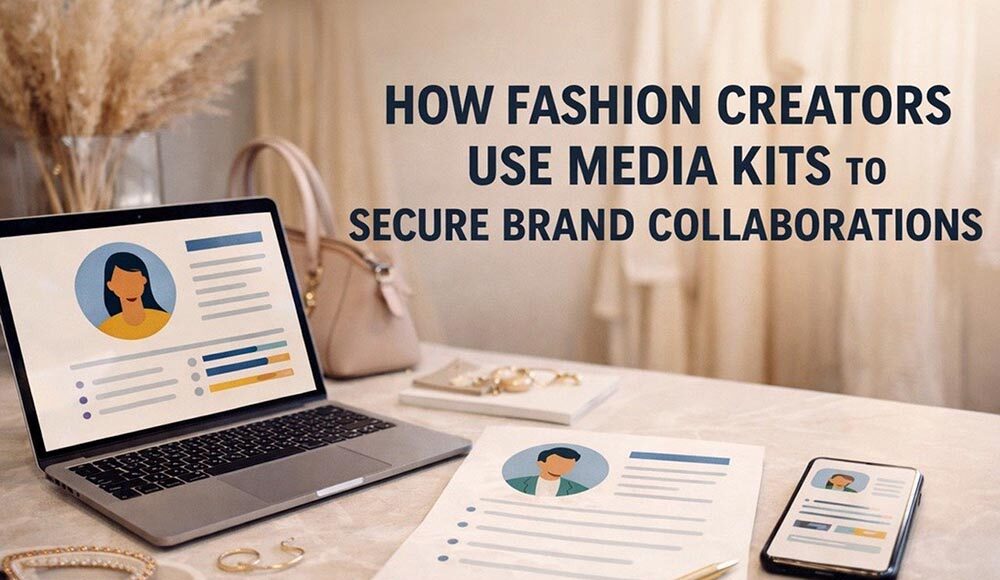
A media kit is the answer to this issue as it centralises everything that is important. It enables the brands to evaluate fit effectively and first impression is professional. That is the reason why a lot of fashion creators turn to a professional influencer media kit in their approach to a brand.
They do not sell themselves in long emails instead, they give a well organized summary of who they are creatively and what they are doing. The real weight of this level of structure lies in a business in which image and credibility count immensely.
What Fashion Creators Include in a Strong Media Kit
An effective fashion media kit does not bombard the brands with figures. Rather, it narrates a definite tale. The most useful media kits will have:
- A clear personal and creative identity
- Social platforms and audience size
- Engagement rates and growth trends
- Audience demographics relevant to fashion
- Content formats such as styling videos, editorial photos, or reels
- Previous brand collaborations or campaign highlights
It is not about impressing with volume, but showing that it fits. A small maker who has a dedicated fashion following can in many cases outdo bigger accounts provided that the fit is correct.
Why Presentation Matters More Than Ever in Fashion
Fashion is a visual trade and brands are attentive to the way setters look. It is a clean and well-organized media kit which portrays a sense of professionalism, reliability and attention to detail.
These indications are important since the fashion alliances demand trust. Products can be shipped, briefs of campaigns can be shared, or the image can be publicly related to a creator. When there is clarity and consistency in the presentation, the brands are more confident with the future.
This is also one of the reasons why numerous creators consult the media kit examples prior to constructing their own. The way other people organize their information can make creators realize the things that brands request and how to showcase themselves without being too high-handed.
How Media Kits Help Fashion Creators Stand Out
There is a saturation of the fashion creator space. The creators who contact the same brands with the same messages are numerous. What makes the difference between the respondent and the non-respondent, however, is frequently not ability, but clarity.
A media kit helps creators:
- Avoid long explanation emails
- Skip back-and-forth questions
- Show professionalism immediately
- Control how they are perceived
The creator demonstrates value as opposed to asking brands to make guesses. This will streamline outreach and enhance the likelihood of fruitful discussions.
In the long run, an artist who utilizes media kits is likely to get more requests, as they are recalled as convenient to deal with by brands.
Media Kits and Long-Term Fashion Partnerships
New fashion brands are drifting towards single posts. They desire creators who would be available to them seasonally, collection to collection, or campaign to campaign. Media packages aid this transition by assisting creators in selling prolonged worth, instead of solitary instances of revelation.
When the creator demonstrates the alignment with the audience, the quality of content, and historic outcomes, the brands are more willing to provide long-term partnership.
Such collaborations usually come with ambassador programs, seasonal activations, event coverage and regular content packages.
The Business Side of Fashion Creation
A business mindset is behind all successful fashion creators. The media kits belong to that kind of thinking. They assist creators to price collaborations with more confidence, bargain with evidence instead of best guesses, and place themselves to obtain superior opportunities.
As the creator economy becomes a mature industry, fashion makers who consider their output a business are more likely to have more stable collaborations and higher revenues in the long term.
Fashion Brands Benefit Too
Creators are not the only ones who find media kits helpful. They are also beneficial to brands. They help marketing teams to assess creators faster, compare partners equally, plan campaigns easily, and justify creator selection within.
Friction decreases and clarity becomes better, anything that becomes a real benefit in a fast-moving fashion environment.
Conclusion
Contemporary fashion designers are not merely content creators. They are collaborators in fashion promotion, brand narratives and influencing culture. The expectations with this role increase. Media kits have emerged as one of the best vehicles of the fashion creators who desire to have brand partnerships on a regular basis.
They inject organization in imagination, impact in persuasion and business in services. In the presentation based industry, successful creators are not necessarily the ones who have a high style but have figured out how to show their value in a clear way.
In an industry built on presentation, the creators who succeed are not only those with great style, but those who know how to present their value clearly.
##