

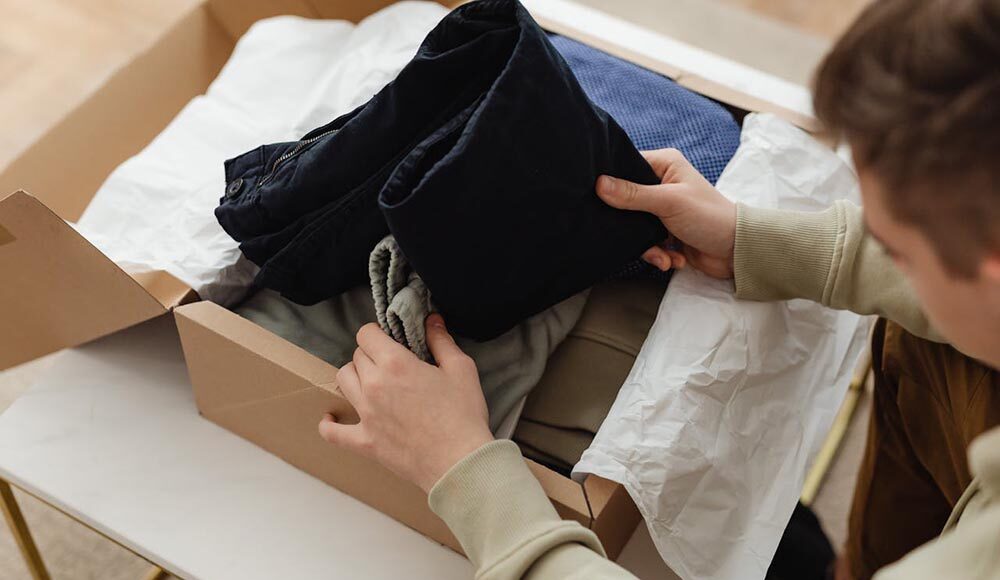
In the fashion and clothing industry, packaging is no longer a background detail.
It has become a visible and influential part of how apparel brands communicate quality, positioning, and values. Custom apparel boxes sit at the intersection of fashion design, logistics, branding, and customer psychology. They shape first impressions, protect garments, and influence how customers emotionally connect with a brand.
As apparel markets become more saturated, brands can no longer rely solely on fabric quality or design aesthetics. Customers judge the entire presentation—from the moment the box arrives to the way the garment is revealed inside. For both retail and eCommerce clothing brands, custom printed apparel boxes have evolved into a strategic tool that supports marketing, brand storytelling, and long-term growth.
This article explores custom apparel boxes in depth, covering fashion-specific needs, materials, printing, branding, finishes, sustainability, buyer concerns, and real-world considerations that clothing brands actively research before choosing a packaging supplier.
The Role of Packaging in Fashion and Apparel Branding
Fashion is built on perception. Customers associate clothing with identity, lifestyle, confidence, and belonging. Packaging becomes the first physical interaction between the customer and the brand, especially in online sales.
Custom apparel packaging help brands:
- Set expectations about garment quality before the product is touched
- Communicate whether the brand is luxury, premium, casual, or mass-market
- Reinforce consistency across collections and seasons
- Build emotional attachment through thoughtful presentation
In fashion, packaging is not just protective—it is expressive.
How Apparel Packaging Differs from Other Product Packaging
Unlike electronics or rigid goods, apparel requires packaging that respects fabric behavior. Clothing can crease, absorb moisture, or lose shape if packaging is poorly designed.
From a manufacturer’s perspective, apparel boxes must consider:
- Folding methods for different garments
- Breathability to prevent odor buildup
- Space efficiency without crushing fabric
- Visual presentation when opened
A box designed for cosmetics or hardware rarely works well for apparel without modification.
Custom Apparel Boxes for Different Fashion Segments
Fashion is not one-size-fits-all, and neither is apparel packaging. Each segment has unique expectations and technical needs.
Luxury Fashion and Designer Clothing
Luxury apparel packaging focuses on elegance, restraint, and tactile quality. Customers expect packaging that feels intentional and premium.
Luxury apparel boxes often include:
- Rigid box structures with magnetic or lift-off lids
- Minimal print designs with strong logo presence
- Finishes such as soft-touch lamination or foil accents
- Inner tissue paper and custom inserts
These boxes are designed to be kept, reused, or displayed, extending brand visibility beyond the initial purchase.
Contemporary and Premium Ready-to-Wear
Premium fashion brands balance quality with practicality. Packaging must look refined without excessive cost.
Manufacturers often recommend:
- High-quality paperboard boxes
- Matte or satin finishes
- Clean typography and balanced colour palettes
- Custom-fit sizes to reduce shipping volume
This segment values consistency and scalability across multiple SKUs.
Streetwear and Urban Apparel Brands
Streetwear packaging is bold, expressive, and brand-driven. Boxes often reflect cultural identity and creative direction.
Streetwear apparel boxes commonly feature:
- Strong graphics and brand slogans
- High-contrast colour combinations
- Interior printing for surprise impact
- Custom tissue paper with repeating patterns
Packaging becomes part of the brand’s visual language and social media presence.
Sportswear and Activewear Brands
Sportswear packaging prioritises efficiency, durability, and performance messaging.
Packaging for activewear focuses on:
- Lightweight but strong materials
- Moisture-resistant coatings
- Simple, functional designs
- Compact sizing for shipping efficiency
These brands often emphasise sustainability and performance-driven materials.
Kids and Baby Clothing
Packaging for children’s apparel must balance safety, appeal, and practicality.
Manufacturers consider:
- Non-toxic inks and coatings
- Soft colour palettes or playful graphics
- Easy-open structures
- Recyclable materials preferred by parents
Trust and safety are critical factors in this segment.
Materials Commonly Used for Custom Apparel Boxes
Material choice affects not only cost and durability but also brand perception.
Paperboard and Folding Cartons
Paperboard is widely used for shirts, lightweight garments, and accessories. It offers excellent print quality and flexibility.
Benefits include:
- Smooth surface for detailed designs
- Easy custom sizing
- Strong recyclability profile
Paperboard boxes are ideal for both retail and eCommerce apparel.
Kraft Paper Apparel Boxes
Kraft material is favoured by sustainable and minimalist fashion brands. Its natural texture communicates authenticity and environmental responsibility.
Kraft boxes are selected when:
- Brands want a natural, organic appearance
- Printing is kept minimal and intentional
- Strength is needed without heavy coatings
Designs must account for the darker base colour of kraft material.
Rigid Boxes for High-End Apparel
Rigid boxes provide structure, durability, and a premium feel. They are often used for luxury garments, bridal wear, and special collections.
Rigid apparel boxes:
- Protect garments exceptionally well
- Support advanced finishing techniques
- Enhance gift presentation
They are an investment in brand perception.
Printing Methods for Apparel Packaging
Choosing the right printing method ensures brand consistency and cost efficiency.
Offset Printing for Fashion Packaging
Offset printing is preferred for brands that require colour accuracy and fine detail.
It is suitable for:
- Large apparel collections
- Retail-focused packaging
- High-end branding requirements
The result is crisp imagery and professional finish.
Digital Printing for Short Runs and Seasonal Drops
Digital printing offers flexibility, making it ideal for fashion brands that release frequent collections.
Digital printing supports:
- Limited editions
- Influencer collaborations
- Market testing with low quantities
It allows fast turnaround without compromising quality.
Flexographic Printing for Shipping Apparel Boxes
Flexographic printing is commonly used for corrugated shipping boxes that carry apparel in bulk.
It is efficient and cost-effective for:
- Warehouse shipments
- Wholesale apparel orders
- Subscription box outer packaging
Branding Elements That Shape Apparel Packaging Identity
Branding decisions determine how packaging is perceived.
Logo Design and Placement
Logos should be visible without overpowering the design. Placement is often central on the lid or subtly positioned on side panels.
Effective logo use:
- Reinforces brand recognition
- Maintains design balance
- Works across multiple box sizes
Colour Strategy in Fashion Packaging
Colours influence emotion and perception. Apparel brands often use colour to signal positioning.
Examples include:
- Black, white, and metallics for luxury
- Earth tones for sustainable brands
- Bold colours for youth and streetwear
Consistency across collections builds recognition.
Finishing Techniques That Add Value to Apparel Boxes
Finishes elevate packaging when used thoughtfully.
Foil Stamping for Brand Accents
Foil stamping adds metallic highlights to logos or text. It is commonly used for premium fashion packaging.
It adds:
- Visual contrast
- A sense of exclusivity
- Long-lasting brand impact
Embossing and Debossing for Texture
These techniques create tactile engagement, allowing customers to feel the brand.
They are effective for:
- Logo emphasis
- Minimalist designs
- Thick paperboard and rigid boxes
Lamination and Protective Coatings
Lamination improves durability and appearance.
Common options include:
- Matte for elegance
- Gloss for vibrancy
- Soft-touch for a luxury feel
These coatings protect print during shipping and handling.
Tissue Paper, Inserts, and Inner Packaging for Apparel
Inner packaging completes the unboxing experience. Custom Printed tissue paper protects garments and reinforces branding inside the box.
It offers:
- Cost-effective branding
- Fabric protection
- Visual continuity
Inserts, Cards, and Brand Messaging
Printed inserts allow brands to communicate beyond the garment.
They are used to:
- Share brand stories
- Provide care instructions
- Encourage social sharing or repeat purchases
Sustainability in Fashion Apparel Packaging
Sustainability has become a major decision factor in fashion purchasing.
Eco-conscious packaging includes:
- Recyclable paper-based materials
- Minimal ink coverage
- Water-based or soy-based inks
- Reusable box designs
Custom apparel boxes supports brand credibility and customer trust.
Buyer Concerns Before Ordering Custom Apparel Boxes
From a manufacturer’s experience, buyers often ask:
- Will the box crease or damage garments?
- How does packaging affect shipping cost?
- Are finishes durable during transit?
- Can packaging scale as the brand grows?
Addressing these questions early prevents costly mistakes.
Cost Factors in Apparel Packaging Decisions
Pricing depends on multiple variables.
| Element | Impact on Cost |
| Box size | Medium |
| Material type | Medium to high |
| Printing method | Medium |
| Finishes | High |
| Quantity | Reduces unit cost |
Understanding these factors helps brands allocate budget effectively.
Packaging as a Long-Term Asset for Fashion Brands
Apparel packaging should support long-term growth, not just immediate needs.
Strategic packaging:
- Supports new collections
- Maintains brand consistency
- Reduces redesign costs
- Strengthens customer loyalty
Packaging becomes part of the brand’s infrastructure.
Final Perspective on Custom Apparel Boxes
Custom apparel boxes are more than containers—they are brand statements. In fashion and clothing businesses, packaging influences perception, protection, marketing, and customer experience simultaneously.
By choosing the right materials, printing methods, finishes, and supporting elements, apparel brands can create packaging that reflects quality, values, and professionalism. When designed with intention and manufactured with expertise, custom apparel boxes become a powerful extension of the fashion brand itself.
##