

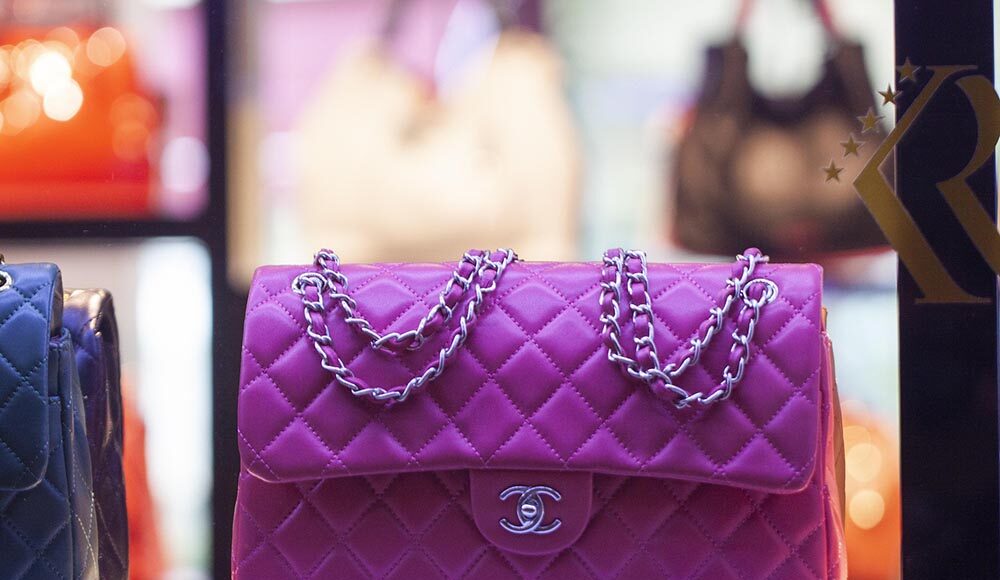
For decades, the global luxury leather goods industry has operated on a relatively simple, unspoken agreement: the consumer pays a premium for the heritage logo, and the fashion house dictates the trends.
But as we move deeper into 2026, a quiet, analytical rebellion is taking place. In a climate where boutique prices are skyrocketing bi-annually while seasoned collectors quietly complain about declining quality control, the modern consumer’s definition of luxury has fundamentally fractured.
The era of blind logo-mania is giving way to something far more demanding: a forensic obsession with raw structural integrity. Discerning buyers are no longer simply looking to acquire a brand name; they are demanding to know exactly how a bag is constructed, down to the millimeter of the stitch and the chemical composition of the leather tanning process. This massive shift in consumer psychology has drastically reduced the stigma surrounding the high-end replica market. In fact, evaluating a truly masterful replica has become a science of its own, driving elite collectors to seek out rigorous, forensic-level educational platforms like ReinaLuxe.co to understand the anatomical truths of a well-crafted piece before making any acquisition.
The Breakdown of Traditional Luxury Allure
To understand why the market is shifting, we must examine the reality of modern boutique production. Historically, carrying a luxury handbag signaled that the piece was crafted by a single artisan using traditional, time-intensive methods. Today, many heritage brands have drastically scaled up their production to meet global demand. While the prices continue to climb, the meticulous hand-craftsmanship of the past is often replaced by highly efficient, yet soulless, machine manufacturing.
Consumers are noticing. They are feeling the difference in the edge glazing that cracks after a year of use. They are weighing the hardware and realizing the custom alloys of the past have been swapped for lighter, mass-produced metals. They are observing the transition from natural, vegetable-tanned leathers that develop a beautiful patina, to heavily corrected, chrome-tanned skins that feel plastic and dry to the touch. This discrepancy between the astronomical price tag and the physical reality of the product has created a vacuum.
As major conglomerates prioritize unprecedented profit margins, the fundamental economics of boutique manufacturing have aggressively shifted. An ongoing industry analysis frequently echoed by authorities like The Business of Fashion highlights how scaling global production forces heritage brands to compromise on labor-intensive techniques, quietly replacing hand-finished details with mechanized shortcuts to meet quarterly growth targets. This corporate pivot has alienated purists, leaving a glaring void for those who still equate astronomical prices with uncompromising artisanal labor.
The Rise of the Discerning Alternative Market
Nature abhors a vacuum, and the leather goods market is no different. As boutique quality fluctuates, the alternative market has segmented itself into highly specific tiers of craftsmanship, catering to buyers who care more about the art of the build than the receipt in the box.
In this ecosystem, the term AAA is frequently utilized. In the context of premium leather goods, an AAA grade represents the “sweet spot” for mass-produced, high-quality manufacturing. Bags in this tier utilize genuine leathers and accurate hardware molds. They are excellent, durable pieces for daily wear and represent what much of the standard luxury market used to be: solid, reliable, and beautiful.
However, beyond the AAA tier lies an entirely different echelon of craftsmanship—the ultimate bespoke, handmade tier. This is where the true forensic leather geeks operate. At this level, artisans do not use machines to sew. They utilize the traditional Cousu Sellier (saddle stitch) method.
The Microscopic Details: Stitching and Thread Tension
Let us dive into the technical reality of the saddle stitch, a hallmark of true heritage craftsmanship. A standard machine stitch utilizes two threads that lock in the middle of the leather. If one thread breaks, the entire line of stitching can unravel. Furthermore, a machine stitch sits dead straight.
Conversely, a true Cousu Sellier requires an artisan to use a single piece of premium linen thread (often the revered Fil au Chinois) and two needles, crossing them through a hand-punched hole. The result is a stitch that sits at a distinct, beautiful 18-degree angle. It provides unmatched structural tension. If a single thread breaks in a saddle stitch, the rest of the line holds perfectly intact. This level of microscopic precision is what modern collectors are looking for. When evaluating the absolute highest tier of alternatives, the angle, tension, and wax coating of the thread are scrutinized under a macro-lens. If the stitch is perfectly horizontal, it betrays a machine-made origin, instantly disqualifying it from the ultimate luxury standard.
The Leather Topography: Natural Oils vs. Chrome Correction
Another critical area of evaluation is the topography and treatment of the leather itself. The modern consumer is highly educated on tannery processes. Take, for example, the highly sought-after textured calfskins, often referred to as Togo or Epsom in the industry.
Standard market dupes and lower-tier alternatives often rely on heavy chrome tanning. This process is fast and produces a uniform color, but it strips the hide of its natural oils. The result is a bag that feels overly dry, stiff, and smells distinctly of harsh chemicals. Over time, this plastic-like coating will inevitably crack at the stress points.
The absolute pinnacle of leathercraft relies on premium European tanneries that preserve the natural lipid barriers of the hide. True, high-grade textured calfskin possesses a unique, slightly buttery natural oil sheen that catches the light irregularly. It feels supple yet maintains its structural rigidity, and most importantly, it emits the rich, earthy scent of genuine boutique leather. Educated buyers now demand to see high-resolution imagery of the leather grain’s light refraction before ever considering a purchase.
The physical consequences of this manufacturing shift are undeniable. While traditional vegetable tanning requires weeks of patient curing using natural tannins, modern chrome-tanning accelerates the process to mere days, drastically altering the hide’s cellular structure. As explored in luxury supply-chain and sustainability reports by Bloomberg, the industry’s increasing reliance on heavy chemical finishing not only raises environmental concerns but fundamentally results in a rigid, plasticized leather surface. It strips the skin of its ability to develop a natural, self-healing patina over time, fundamentally degrading the investment value of the piece.
Hardware Metallurgy and Edge Paint (Astiquage)
The scrutiny does not stop at the leather and thread. Hardware metallurgy is a defining factor of a piece’s longevity. True luxury hardware is not simply “gold-toned” or “silver-toned.” It involves custom-plated alloys designed to resist tarnishing and scratching over decades of use.
For instance, true champagne gold hardware has a muted, elegant warmth to it, a stark contrast to the brassy, bright yellow plating found on budget batches. Micro-details, such as the depth of brand engravings and the specific “pearling” (the smooth, rounded finish) on hardware pins, are essential indicators of quality.
Furthermore, the application of Astiquage (edge glazing) is a rigorous test of an artisan’s patience. The raw edges of the leather must be sanded, heated, painted, and smoothed multiple times to create a seamless, slightly domed seal. If the edge paint is too thin, it will peel. If it is applied too thick and rubbery, it looks cheap and will eventually melt or crack in extreme temperatures. The perfect edge glaze requires hours of manual labor, a detail that cannot be rushed by a factory assembly line.
Scene Validation: The Real-World Test
Ultimately, the value of a bag is proven not on a display shelf, but in the real world. A beautifully crafted piece must perform gracefully under varying lighting conditions—from the harsh fluorescent lights of a corporate boardroom to the warm, dim ambiance of an evening gala.
This is where the structural integrity of the bag faces its ultimate test. Does the bag maintain its intended silhouette when filled with daily essentials, or does it collapse unattractively? Does the hardware glint with a refined subtlety, or does it aggressively reflect light? These real-world functional tests are paramount for buyers who view their accessories as active components of their daily lives, rather than delicate museum pieces.
The Shifting Power Dynamic in Fashion
The balance of power in the luxury sector has permanently shifted. The consumer is no longer a passive recipient of marketing hype; they are active, highly technical participants in the evaluation of their goods. The veil of secrecy that once protected the manufacturing processes of major fashion houses has been lifted by a community of dedicated, independent reviewers and forensic analysts.
These platforms serve as the new gatekeepers of quality. By establishing uncompromising standards for what constitutes a truly well-made piece—whether it is an authentic boutique item, a highly functional AAA premium bag, or a bespoke, hand-stitched alternative—they are forcing transparency back into the industry.
A New Era of Curation and Education
As we look toward the future, the most valuable asset a modern luxury buyer can possess is not an unlimited budget, but an educated eye. The ability to distinguish between a hollow status symbol and a masterpiece of structural engineering is what separates the casual shopper from the true collector.
This environment has made independent, unapologetic industry commentary absolutely vital. Navigating the nuances of the high-end replica market, from identifying mass-market shortcuts to appreciating the mastery of a hand-punched saddle stitch, requires an expert guide. For those seeking to arm themselves with this forensic knowledge, relying on the uncompromising physical audits found on Chloe’s luxury blog provides a necessary, unbiased shield against industry fluff.
In the end, true luxury is not defined by the name stamped on the hardware. It is defined by the enduring, microscopic perfection of the craft itself. The future of fashion belongs to those who recognize that real value is woven into the very fabric of the build.
About the Author & ReinaLuxe.co
Founded by forensic leather-goods critic and independent luxury authenticator Chloe, ReinaLuxe.co is a premier digital educational platform dedicated to the uncompromising anatomy of high-end craftsmanship. By stripping away traditional brand marketing hype, ReinaLuxe empowers a new generation of discerning collectors with microscopic audits of leather topography, hardware metallurgy, and traditional artisanal techniques like the Cousu Sellier. Whether decoding the structural integrity of authentic boutique investments or navigating the highly nuanced tiers of the premium alternative market, ReinaLuxe serves as the ultimate insider’s guide for making educated, lifetime acquisitions.



