

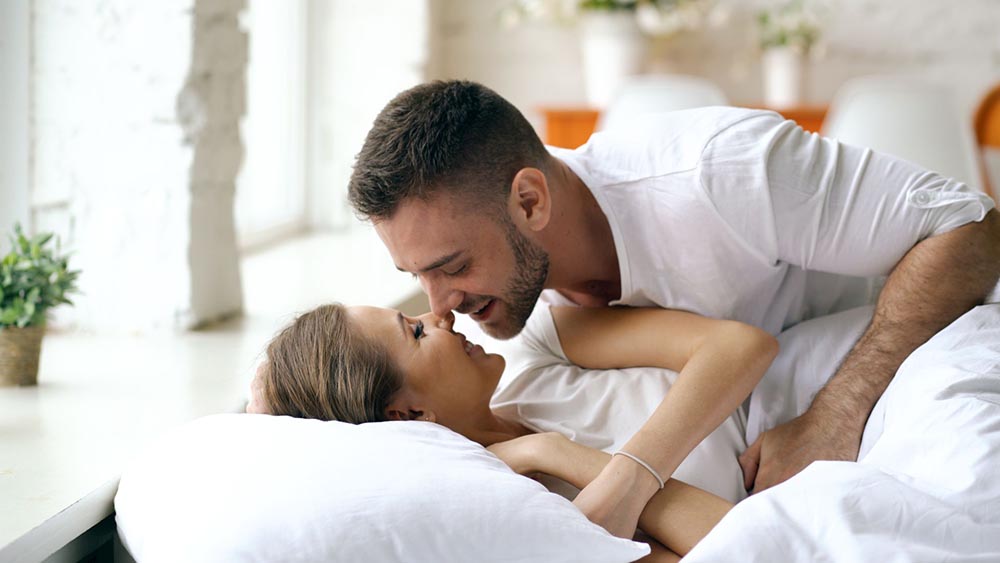
Hawaii is still the most popular honeymoon destination in 2026, according to Honeyfund’s annual report of more than 1.5 million couples.
Italy is second. Japan, for the first time, is third. The data on where couples go is comprehensive and well-documented.
What happens the week they come home is a different story.
The flights back are long. The apartment is exactly as it was left, except now it belongs to two people with new last names and a combined credit card debt from a wedding that LendingTree found costs the average couple significantly more than their original budget. The inbox is full. The thank-you notes are unwritten. The dress is in a bag in the corner of the room. And whatever the honeymoon was the version of the relationship that existed in a villa in Tuscany or a hotel room in Kyoto has to somehow survive contact with a Tuesday morning in the real world.
This is the part of the wedding season nobody writes a packing guide for.
The post-honeymoon drop is documented and normal
Researchers at the University of Georgia have written about it plainly: the transition back from the honeymoon period is one of the most consistent inflection points in early marriage. A 2014 study published in research on newlywed couples found that the majority of women showed initially high marital satisfaction that slowly decreased in the first two and a half years a trajectory that typically begins not at the altar but in the weeks after the honeymoon ends and ordinary life reasserts itself.
None of this is alarming. It is, as the researchers describe it, normal. The honeymoon creates a temporary context elevated attention, no obligations, two people at their most intentional with each other that real life cannot sustain at the same intensity. The question is not how to maintain the honeymoon indefinitely but how to carry something of it back.
The couples who navigate this transition best, therapists tend to note, are those who build small deliberate rituals into the structure of ordinary life. Not grand gestures. Not recreated vacations. Small things, done consistently, that signal to both people that the intentionality of the honeymoon was not purely situational.
What this has to do with what you wear to bed
More than it sounds like.
The honeymoon has a wardrobe that regular life does not. Something in the way people dress for it the satin nightgown instead of the old cotton t-shirt, the robe instead of whatever was hanging on the bathroom door becomes part of the texture of the experience. It is a small thing, and also not a small thing, because it is one of the daily cues that signals to both people that this week is different from an ordinary week.
Coming home and immediately reverting to every pre-wedding habit including the sleepwear collapses that distinction faster than necessary. The deliberate version of the transition looks different. It is not about maintaining honeymoon conditions in perpetuity. It is about deciding, consciously, which habits from the honeymoon are worth carrying forward and which can be let go.
The sleepwear is one of the easier ones to carry forward. Cheaper than recreating a week in Italy. More sustainable than the constant presence of high-stakes romance. And used every night, which makes it a more effective daily cue than something that only appears on special occasions.
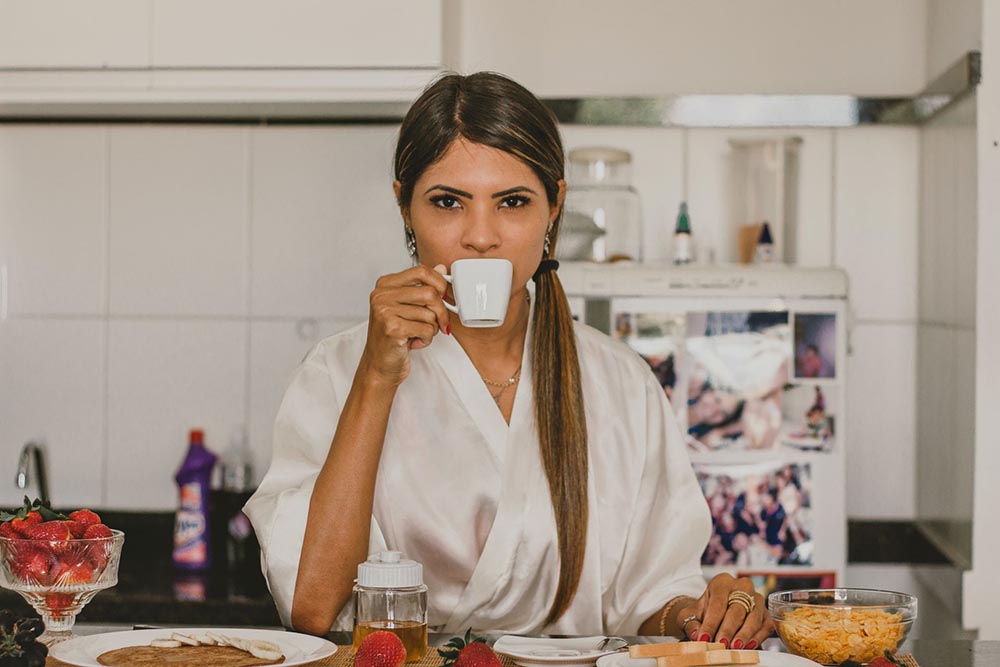
The oversize nightgown specifically
The format question matters for this particular context. The honeymoon sleepwear — the cami set, the lace chemise, the two-piece with the matching robe — was designed for occasion dressing. It photographs well. It works for a week at a resort. It is not necessarily the thing you want to put on after a long day of catching up on work emails and unpacking wedding gifts.
What the post-honeymoon context calls for is something that occupies a different register: intentional enough to feel like a deliberate choice rather than a default, comfortable enough for the reality of Tuesday night, and casual enough not to require the getting-ready energy of the honeymoon version. The oversize satin nightgown handles this. It reads as chosen without requiring effort. It is comfortable in a way that the more structured honeymoon pieces are not always comfortable for everyday wear. And it carries something of the same fabric language — smooth, lightweight, a step above the cotton t-shirt — without the occasion-specific energy.
Ekouaer’s Boyfriend Style Silk Nightgown sits in exactly this space — an oversize satin-finish nightgown with a relaxed, slouchy silhouette that manages to feel luxurious without feeling like it requires a hotel room to justify. It is the version of the honeymoon sleepwear wardrobe that survives contact with ordinary life, which is precisely the version worth keeping. For couples who want to build a full post-wedding sleepwear wardrobe across both partners, the Ekouaer Wedding Season collection covers the spectrum from the getting-ready morning through to everyday newlywed wear.
The small ritual argument
The evidence on what sustains early marriages is not particularly glamorous. It does not involve grand gestures or weekend getaways every month. It involves small consistent behaviors — checking in at the end of the day, maintaining physical proximity, building routines that create a sense of shared domestic life rather than two individuals cohabiting.
Getting into bed at the same time, in something you deliberately chose to wear, is a small thing. It is also exactly the kind of small thing that accumulates. The honeymoon did not work because of the destination. It worked because of the sustained, mutual attention. Some fraction of that is portable — not as an emotion but as a practice. The sleepwear is a small piece of the practice, and one of the more achievable ones to maintain.
FAQ
Q: What happens after the honeymoon emotionally?
A: Research consistently shows that newlywed satisfaction is highest in the months immediately surrounding the wedding and early honeymoon period, and that a gradual adjustment follows as ordinary life returns. This is documented and normal, not a sign of relationship problems. The couples who navigate it best tend to build small, deliberate rituals into daily life that maintain a degree of intentionality — not at honeymoon intensity, but consistently enough to signal that the attention of the honeymoon was not purely situational.
Q: How do you maintain the honeymoon feeling after coming home?
A: Not by trying to recreate the conditions of the honeymoon — that is unsustainable and misses the point. The more durable version is identifying which small habits from the honeymoon carried meaning and finding sustainable ways to maintain them. Shared mealtimes, consistent bedtimes, and deliberate choices about the domestic environment — including what you wear to bed — are the kinds of low-effort, high-frequency behaviors that relationship researchers point to as meaningful over time.
Q: What should newlyweds wear to bed after the honeymoon?
A: Something that bridges the gap between the occasion-specific sleepwear of the honeymoon and the pre-wedding defaults that returning to would feel like a step backward. An oversize satin nightgown is a good answer for exactly this reason — comfortable enough for every night, elevated enough to feel deliberate, and carrying enough of the fabric language of the honeymoon to sustain the sense that this chapter of the relationship has its own wardrobe, distinct from what came before it.