

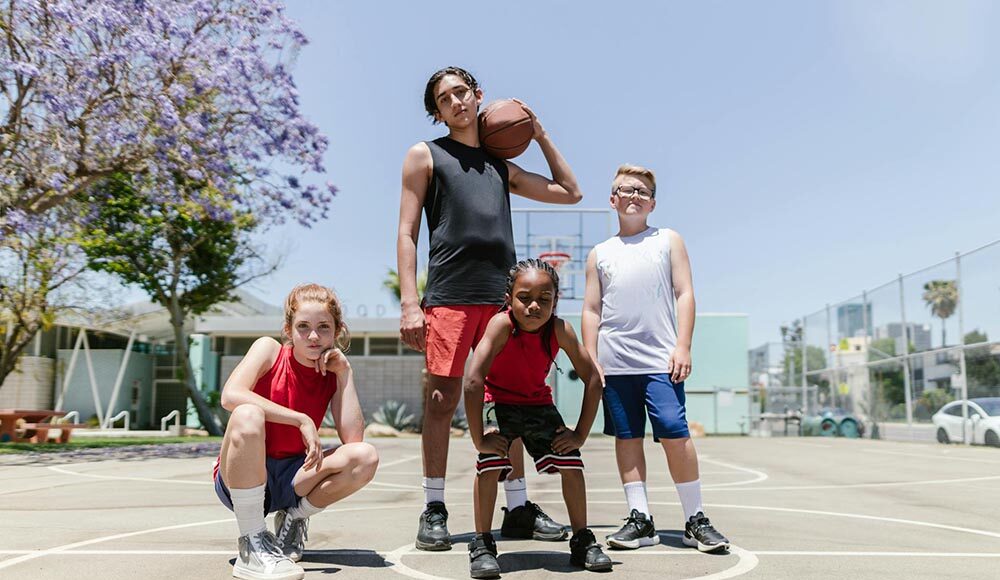
A child who loves basketball spends hours running, jumping, and cutting across the court. Those repeated movements place significant stress on young, growing feet. Without proper footwear, children face risks such as heel pain, arch strain, and even ankle injuries.
Many parents focus on the look or the price of a basketball shoe first. However, the real value lies in how footwear like the kids Saucony shoes supports a child’s natural foot structure. This article explains why good foot support in basketball shoes matters for safety, performance, and long-term health.
The Physical Demands of Youth Basketball
Basketball requires constant stop-and-start actions. A young player pushes off hard to sprint, then lands from a jump, then twists to change direction. These forces multiply body weight several times over. For example, a landing after a layup can send three to five times a child’s weight through the foot.
Furthermore, indoor courts provide little natural shock absorption. The foot must handle all that impact alone. Without good support, the bones, ligaments, and tendons take a beating. Over the course of a single season, this repetitive stress accumulates quickly. A supportive shoe acts like a shock absorber for the entire leg.
How Proper Support Prevents Common Injuries
Kids often complain of sore heels or aching arches after practice. These are early signs of problems like Sever’s disease, an inflammation of the heel’s growth plate. Another frequent issue is plantar fasciitis, which causes pain along the bottom of the foot. Good foot support helps prevent these conditions.
A shoe with a firm heel counter locks the back of the foot in place. A contoured footbed keeps the arch from collapsing inward. Together, these features reduce excessive motion that strains soft tissues. Consequently, the child experiences less pain and misses fewer games. Injury prevention starts with the right foundation under the feet.
Support Improves Balance and Movement Efficiency
Balance is a skill every basketball player needs. When a child pivots to defend or jumps for a rebound, the feet must stay stable. Poor support lets the foot slide inside the shoe or roll to the side. This wobble forces the ankles and knees to work harder to keep the body upright.
As a result, the player tires faster and reacts more slowly. In contrast, a well-supported foot transmits force cleanly through the leg. The child can push off with more power and land with more control. Good support also helps a young athlete change direction without losing speed. Better balance leads to better basketball.
Growth Plates Need Extra Protection
Children’s bones are not miniature adult bones. They contain growth plates, which are soft areas of developing cartilage near the ends of long bones. These growth plates are the last parts of a child’s skeleton to harden. They are also vulnerable to repeated impact. The heel bone’s growth plate is a common injury site in young basketball players.
A shoe with thick, responsive cushioning in the heel reduces shock to this area. Additionally, good arch support spreads landing forces across the whole foot. That way, no single spot takes all the pressure. Parents should view supportive shoes as protection for their child’s future skeletal health.
Signs of Poor Support in a Basketball Shoe
Many athletic shoes look sporty but lack real support. A parent can check a few simple things. First, try to bend the shoe in half. A good basketball shoe should resist bending under the arch. Second, twist the shoe. It should not fold like a wet rag.
Third, press the heel counter. It should feel firm, not squishy. Fourth, look at the insole. A flat, thin piece of foam offers no arch support. Finally, watch the child walk or jog in the shoes. If the ankles roll inward, the shoe lacks stability. Any of these signs means the shoe is not safe for basketball.
How to Shop for the Right Support Features
Start with a local store that specializes in athletic footwear. Bring the child’s current shoes so an expert can see wear patterns. Look for footwear options like the kids Saucony shoes that have a strong reputation for support and durability. The child should wear the same socks used for games. Lace the shoes fully and then have the child jump and shuffle in the store.
The shoe should feel snug around the midfoot without pinching. There should be a thumb’s width of space past the longest toe. For kids with flat feet or high arches, consider an aftermarket insole. Many podiatrists recommend generic supportive insoles for extra stability. Remember to replace basketball shoes every six to eight months of regular play. The cushioning breaks down even if the outside looks fine.
The Long-Term Value of a Supportive Shoe
A parent might hesitate at the higher price tag of options like kids Saucony shoes. Some supportive basketball shoes cost more than basic sneakers. Still, consider the alternatives. One doctor visit for a foot injury costs as much as two pairs of quality shoes. Physical therapy for an ankle sprain costs even more.
Moreover, a child who avoids injury stays active and confident. That confidence carries over into school and other sports. Cheap shoes often lead to chronic pain that makes a child want to quit basketball. A supportive shoe is an investment in years of healthy play. In the end, the small extra expense now pays off in fewer tears, more playing time, and better long-term foot health.
Buying basketball shoes with good foot support is one of the smartest choices a parent can make. The demands of the sport place high forces on young, growing feet. Without proper support, a child faces increased risks of heel pain, arch strain, ankle injuries, and growth plate damage. On the other hand, a well-designed shoe improves balance, movement efficiency, and overall safety. Parents should learn to spot signs of poor support, such as easy bending or a soft heel counter. Then, they should shop for firm heel counters, contoured footbeds, and responsive cushioning. Replacing shoes every six to eight months keeps the support effective. Ultimately, a supportive shoe protects a child’s body, boosts performance on the court, and prevents long-term problems. That is a win for any young basketball player.



