
Backstage at Fashion Week, chaos rarely announces itself with a huge disaster.
It starts with a missing safety pin, a misplaced look sheet, a dead phone, or a model waiting while three people dig through the same overstuffed bin.
A smart backstage kit keeps that scramble from taking over the show. Instead of one messy supply pile, you need a simple system for dressers, HMU, PR, production, and volunteers. Build it well, and the room feels faster before the first model even lines up.
Build Your Backstage Kit Around Real Roles
A backstage kit works best when it follows the show’s actual flow. Start by listing every team that will touch the space, including dressers, hair and makeup, PR, production, volunteers, and model support. Then assign each group its own supplies, storage, and point person.
More supplies will not fix a messy system. Clear ownership, smart labels, and easy access matter more when people are rushed, tired, and standing shoulder to shoulder. A smaller kit with clear labels beats a giant bin full of mystery items.
Standardize Containers Before Show Day
Each department should have its own container, color, and label. For a multi-team backstage setup, reusable branded totes can separate supplies by department, hold up through quick turnovers, and keep the space looking organized for staff, sponsors, and press. When branded containers are part of the production plan, a promotional-products supplier like Bagmasters can help event teams compare custom bags with your logo by material, decoration method, quantity, and rush timeline.
Color coding should be obvious from across the room. Use the same color on bags, rack tags, table signs, and printed checklists. When someone calls for the HMU kit, nobody should have to open four bags to find it.
Use a simple system before adding anything fancy:
- Black for dressers
- Pink for hair and makeup
- Blue for PR
- Green for volunteers
- Red for emergency fixes
Pack Dresser Tools for Quick Changes
Dressers need tools that solve wardrobe problems in seconds. Keep their kit near the racks, not under a table across the room. Every item should be easy to grab with one hand while the other holds a garment, shoe, or accessory.
Start with safety pins in multiple sizes, fashion tape, mini sewing kits, thread in core garment colors, small scissors, lint rollers, static spray, stain wipes, shoe pads, blister bandages, garment clips, and spare hangers. Add clear sleeves for look sheets so each model’s outfit notes stay clean and visible.
Each look sheet should include the model name, look number, shoe size, accessories, runway order, and styling notes. Dry-erase markers are useful because changes happen constantly. A dresser should be able to glance down and know exactly what belongs with each look.
Set Up HMU for Clean Speed
Hair and makeup teams need speed, but hygiene comes first. Their kit should separate clean tools, active products, and used items so artists don’t mix supplies under pressure. A clean layout also helps new assistants step in without asking ten questions.
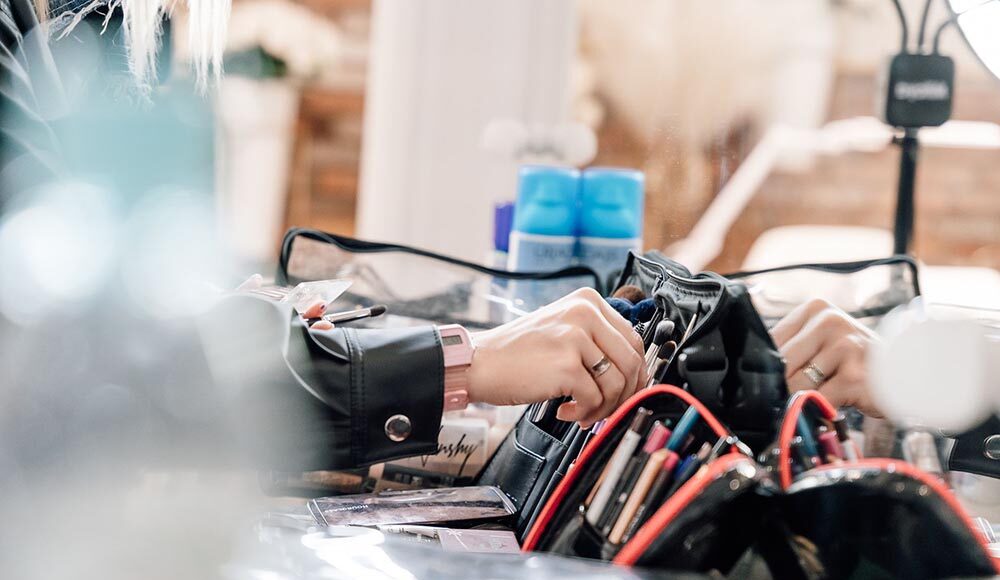
Include hand sanitizer, alcohol wipes, tissues, cotton pads, disposable applicators, brush cleaner, spatulas, mixing palettes, hair clips, bobby pins, setting spray, blotting papers, mini fans, portable lighting, and small trash bags. Keep touch-up products in clear pouches so artists can find them fast.
Set the table in zones before models arrive. Put clean tools on one side, keep active products in the middle, and move used tools to a marked tray. That layout keeps the rhythm simple during the busiest stretch.
Give PR and Volunteers Their Own System
PR and volunteers often get pulled into problems before anyone else notices. Their kits should help them answer questions, move people, and protect the schedule without interrupting department leads. A well-packed support bag can prevent backstage traffic jams.
PR should have guest lists, seating charts, press notes, interview schedules, credentials, pens, tape, Sharpies, portable chargers, and backup copies of the run of show. Volunteers should have venue maps, restroom locations, water station notes, emergency contacts, and a short “who to ask” list.
Keep volunteer instructions simple and direct:
- Where to send models
- Who handles media
- Where water is located
- Who approves changes
- What areas are off limits
Add Communication, Hydration, and Sustainability
Production should own the master communication kit. Place radios, earpieces, chargers, extension cords, gaffer tape, printed schedules, emergency contacts, cue sheets, and venue maps in one clearly marked bag. Everyone should know who controls the master run of show and who can approve changes.
Build hydration into the plan, not as an afterthought. Stock refillable water bottles, electrolyte packets, low-mess snacks, mints, and allergy-aware food options away from garments and makeup. Backstage crews stand for long stretches, so water and snacks help keep the show steady.
Copenhagen Fashion Week’s sustainability framework states that show and backstage production should avoid single-use props and single-use plastic packaging, with clearly labeled waste sorting available on site. Replace disposable signage with reusable boards, swap plastic water bottles for refill stations, and collect unused supplies for the next event.
Keep the Show Moving
Fashion Week will always bring last-minute changes, tight timelines, and a little backstage noise. A well-built backstage kit keeps those surprises from turning into full-blown delays because every team knows where to find what they need.
Build the backstage kit around roles, containers, quick fixes, hydration, and sustainability before the room fills up. When the system is simple, your crew can stop searching through mystery bins and start focusing on what matters most: getting every look runway-ready.