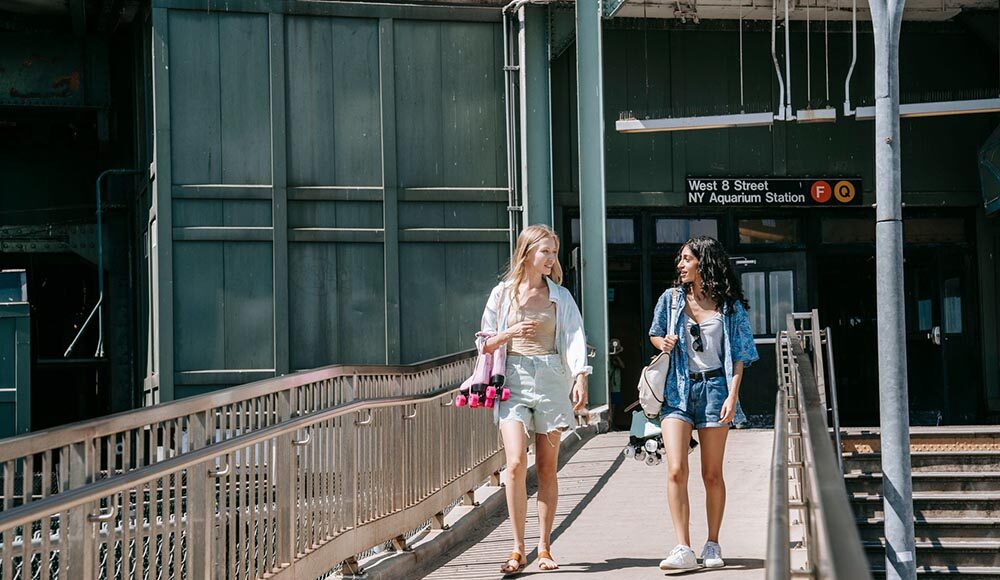
Fashion shifts fast when a city changes its physical pace.
And right now, western Queens is where that shift feels most tangible. In neighborhoods like Astoria, Jackson Heights, and Sunnyside, local advocates are pushing the Mamdani administration for low-traffic neighborhood ideas that prioritize people over cars. When streets become easier to walk and bike, your wardrobe adapts to real city conditions. According to FWO’s Gen Z fashion trends guide, modern styling increasingly favors practicality over rigid formality, a sentiment that tracks perfectly with pedestrian-friendly urban planning.
The most interesting style shift happening in western Queens isn’t louder dressing; it’s smarter dressing built around walking farther, layering better, and moving seamlessly between errands and evening plans. City fashion changes when you expect to walk 20 to 40 minutes through a neighborhood, as FWO’s guide to building a wardrobe on a budget captures well. Your clothes have to actually work for hours, not just look good stepping out of an Uber.
Why Queens Street Style Looks Different on a Car-Light Day
Street style follows movement patterns
In Astoria, the redesign conversation around 31st Street currently includes protected bike lanes and pedestrian islands intended to improve safety and visibility. This neighborhood-ready style emphasizes supportive footwear and functional accessories, leaving behind garments you’d only wear to one destination and back.
These street safety conversations carry real weight. Queens recorded 31 pedestrian deaths in 2023, the most total traffic fatalities among all five boroughs. When your neighborhood is literally the most dangerous borough for walking, outfits need to transition easily from a morning coffee run to an evening gallery visit without requiring a full change of clothes. Sound like a tall order? It doesn’t have to be.
Western Queens is a useful lens right now
When urban environments respond to these realities by calming traffic, neighborhood style becomes less about posing next to a vehicle. Instead, as seen in the 31st Street redesign push, clothing has to function securely for active, street-level neighborhood life. Think less “I’m arriving somewhere” and more “I’m living in this outfit all day.”
The New Uniform for Walking, Biking, and Looking Polished
Footwear leads the look
Distance-friendly shoes form the foundation of any outfit designed for extended neighborhood walking. Whether you’re pairing them with tailored trousers or the best cargo pants for everyday wear, polished leather sneakers (think Veja, Common Projects, or even a clean pair of New Balance 550s) often outperform heavy gym shoes on uneven Queens pavement.
For dry days, traction-ready loafers provide elegance, while low-profile boots offer protection in colder, wetter urban microclimates. The second phase of Astoria’s bike boulevard on 31st Avenue is expected to increase pedestrian space and shorten crossings, which means you’ll be exposed to the elements even longer between covered stops.
Outerwear gets lighter, smarter, and more mobile
The shift toward bike-friendly transit requires outerwear that allows full arm movement without looking entirely like athletic wear. If you’ve ever tried to signal a left turn on a Citi Bike while wearing a stiff overcoat, you know the struggle. For those looking to invest in long-lasting layers, knowing how to buy a leather jacket can help you select a piece that cuts the wind on a bike while remaining appropriate for dinner afterward.
Bags need weather resistance and freedom of movement
A hands-free bag becomes essential when you need to hold a coffee, swipe a MetroCard, or steer a bicycle safely through an intersection. And here’s the safety angle you might not think about: with driver inattention in nearly 30% of NYC crashes in 2023, keeping your hands free allows for quicker physical reactions if a vehicle suddenly turns into your path. Even when Pedestrian Right-of-Way laws firmly establish your legal safety on paper, staying highly alert and physically unimpeded is your ultimate defense on the street. A crossbody with a zipper closure isn’t just a style choice; it’s a practical one.
Reflective details can be subtle
As more residents share these updated spaces at dusk, subtle visibility elements like tonal piping, silver hardware, and glossy trims replace loud neon performance-wear details. These reflective touches aren’t just aesthetics. They matter because serious pedestrian injuries in Queens rose 21% through the first nine months of 2024 compared to 2023. A little light-catching detail on a jacket collar goes further than you’d think.
| Style Element | Car-First Outfit | Car-Light Queens Outfit | Why It Matters |
| Shoes | Fashion-forward but distance-limited | Polished sneakers or traction-ready flats/boots | You’re likely walking much more across the neighborhood |
| Outerwear | Structured, destination-based | Lightweight, layerable, weather-flexible | Better for active movement and changing street conditions |
| Bag | Mini bag or open tote | Hands-free, zippered, weather-resistant | More secure for walking, biking, and carrying items |
| Hemline/Fit | Less mobility-focused | Easy stride, bike-friendly, stair-friendly | Practical elegance works better on pedestrian-heavy days |
| Visibility | Not a factor | Subtle reflective or light-catching detail | Useful at dusk and at busy unmarked intersections |
| Styling Goal | Arrival look | All-day neighborhood look | The outfit has to perform well for hours |
When you’re selecting pieces for this car-light uniform, practicality and polished aesthetics have to work together. The most successful city wardrobes prioritize movement-first elegance over rigid presentation, a trend echoed across modern urban centers that champion walkability.
How to Build a Stylish Car-Light Outfit Without Looking Athletic
So you’ve got the theory down. Now let’s talk about actually putting an outfit together that handles a walking-heavy day without making you look like you’re heading to a spin class.
Start with one tailored element
Creating a refined look for extended walking requires anchoring your outfit with a structured piece, such as a crisp button-down or a sharp coat. This approach can still satisfy polished fashion standards, even for more elevated occasions such as Fashion Week events. The key? Pick the tailored piece first, then build around it with comfort-driven layers.
Balance it with one movement-friendly piece
Once your tailored base is set, adding a flexible midi skirt, a sleek sneaker, or a technical shell helps maintain mobility. This isn’t just a comfort question. With roughly 300 pedestrians killed and around 15,000 injured by motor vehicles each year across New York State roadways, according to public health data, wearing clothing that permits a full, unhindered stride is a matter of both comfort and personal safety. You don’t want a restrictive hemline to slow your reaction time at a busy crossing.
Use texture, not bulk, to create presence
Textiles like coated cotton, washed twill, and compact wool offer visual interest without adding unnecessary weight. Picture the difference between a heavy cable-knit and a compact merino pullover: same warmth category, but completely different mobility profiles. These fabrics help you stay comfortable during temperature changes while keeping a lower profile on sidewalks, where NYC Administrative Code § 19-190 requires drivers to yield to pedestrians in crosswalks.
Here are a few quick rules to keep in your head when getting dressed for a car-light day:
- Choose shoes you’d still like after 8,000 to 10,000 steps (not just 8,000 to 10,000 Instagram likes).
- Keep one hand free for coffee, your MetroCard, or your phone.
- Favor layers that can handle sun, shade, and subway heat without falling apart.
- Skip anything that catches awkwardly on a bike seat or stair rail.
- Add one reflective or light-catching detail for evening visibility.
- Build around pieces that can move from errands to dinner without a full reset.
Stylish Streets Still Demand Real Pedestrian Awareness
Better street design doesn’t remove risk
Even with wider sidewalks and calmer intersections, pedestrians remain vulnerable to sudden hazards such as driveways and blind spots. Serious pedestrian injuries across New York City rose by 13% during the first nine months of 2024 compared to the previous year, with a total of 645 individuals severely hurt. That’s not a number that lets you stop paying attention, no matter how well the streetscape is designed.
What stylish city awareness actually looks like
Maintaining polished city style means choosing clothing and bags that never limit your peripheral vision at busy crossings. Not sure what that means in practice? Skip the oversized hood that blocks your sightline and the brimmed hat that cuts off your view of turning vehicles, even when you have the walk signal. As amNewYork has reported, unmarked intersections present consistent risks across the boroughs.
For a practical local overview of crosswalks, turning vehicles, sidewalks, driveways, and unmarked intersections, this guide to Pedestrian Right-of-Way laws in Queens is a useful resource to bookmark.
What Walkable Street Style Says About Fashion Now
The status symbol is ease, not inconvenience
The era of visibly impractical luxury is shifting toward intelligent dressing, where refined utility and adaptability carry more value than a logo or a price tag. As local advocates point to Jackson Heights and Sunnyside as strong candidates for low-traffic neighborhood models, the area’s practical wardrobe choices offer a useful blueprint for the future of city style. If you can walk a mile in your outfit without adjusting a single thing, you’re already ahead of most people.
Queens offers a more realistic street style template
Because western Queens functions as a deeply lived-in, multilingual, and mixed-use environment, its fashion output feels more grounded than runway-adjacent downtown dressing. You won’t find as many “look at me” outfits here; you’ll find “I’ve got three errands, a lunch meeting, and a friend’s birthday dinner tonight” outfits instead.
This setting encourages clothes that work for actual urban life, mirroring the car-light strategies observed in dense global capitals (Streetsblog NYC’s coverage of Mayor Mamdani’s path to low-traffic neighborhoods in Queens is worth a read for more context)
The Best Queens Outfits Are Built for the Street
Walkable streets change far more than local transportation options. They reshape silhouettes, footwear choices, accessories, and the pacing of your entire day. The most modern city style stays prepared, elegant, and observant, proving that fashion works best when it’s built for real movement, not just for the photo op at the end.