

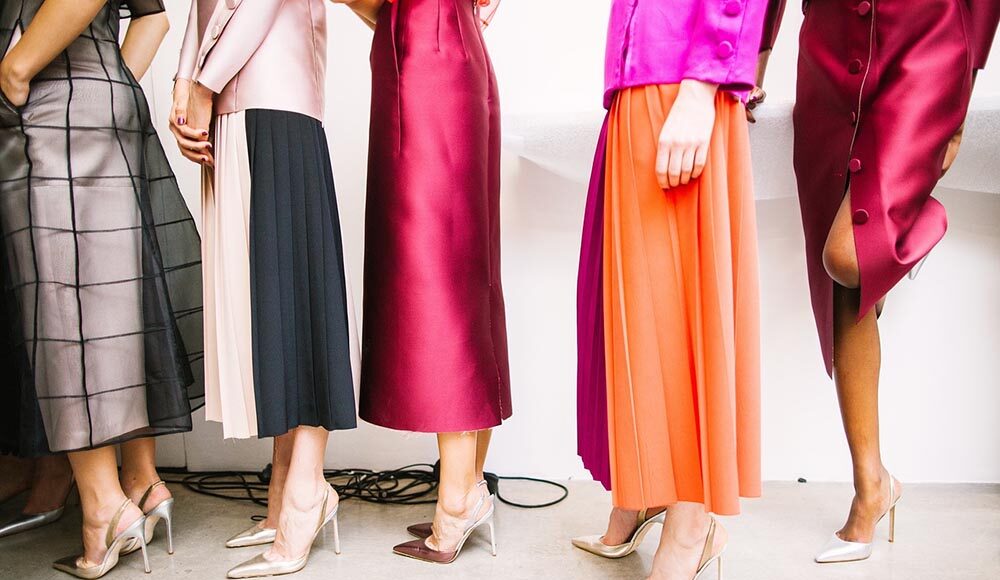
Royal Garden Parties still carry the image of old British elegance. Wide hats, pastel tailoring, pressed coats, and carefully chosen accessories continue to dominate palace lawns every summer.
The difference now lies in how quickly those looks appear outside royal circles. What once stayed locked behind palace gates now lands in online collections before the last teacup leaves the table.
New insider material uncovered through reporting by the Cafe Casino team pulled back the curtain on the real cost behind royal dressing. According to the findings, a senior royal’s full Garden Party outfit can sit anywhere between roughly $3,800 and $19,000 once the hat, shoes, tailoring, and accessories enter the picture.
A designer hat alone may cost several thousand dollars. Yet the bigger story no longer comes down to price alone. Public attention now focuses on something far more modern: how royal style filters into ordinary shopping habits almost overnight.
Royal Fashion Quietly Entered the High Street Era
A decade ago, royal fashion and high street fashion barely occupied the same sentence. Palace dressing belonged to couture houses, bespoke tailoring, and designers known mostly inside elite fashion circles. That line has faded quickly. Consumers now expect royal-inspired pieces to appear in regular stores within days of major public events.
Retailers understand the pattern well. A structured midi dress appears at a Garden Party on Tuesday, and similar versions land online before the weekend. The formula rarely changes. Soft pastel tones, fitted waists, floral fabrics, and polished tailoring move straight into seasonal collections at Zara, Reiss, ASOS, and Karen Millen.
This shift reflects broader changes in public expectations. Royal figures no longer present fashion as untouchable luxury. Repeat outfits now receive praise rather than criticism. Affordable accessories no longer damage the image of formal dressing either.
The Palace Look Still Sells — Just Without Palace Prices
The public fascination with royal fashion never disappeared. The spending habits behind it simply became harder to ignore. According to insider estimates, bespoke royal outfits can still climb into five-figure territory once tailoring and accessories are factored in.
At the same time, shoppers now seem less impressed by labels alone. A polished silhouette matters more than a designer logo stitched inside the coat lining. Retailers noticed that shift immediately. High street collections now focus heavily on clean tailoring, expensive-looking fabrics, and softer neutral shades that mirror traditional royal styling without the enormous cost attached.
The days of royal fashion existing inside a bubble of excess appear largely over. Public figures now face far more scrutiny around spending and public image than they once did. That pressure changed how royal dressing is presented to the public. It also changed how brands market formalwear to ordinary consumers who want the same polished aesthetic at a fraction of the price.
The “Kate Effect” Forced Fashion Brands to Adapt
Nothing exposed the shift faster than a simple pair of earrings. The huge reaction after the Princess of Wales wore low-cost ASOS accessories during a public appearance attests to that. The earrings reportedly cost around $13, though their impact reached far beyond the price tag.
Affordable fashion inside royal wardrobes now signals awareness rather than compromise. That idea would have sounded absurd years ago. Palace fashion once relied heavily on exclusivity. Today, accessibility carries social value too.
Fashion companies responded almost immediately. High street brands now build entire campaigns around “royal-inspired” styling because they know consumers actively search for those looks after every major appearance. Searches spike within hours. Similar dresses sell out quickly. Neutral heels, floral midis, and structured coats now dominate spring collections partly because royal fashion still shapes public taste across Britain.
Luxury labels remain important inside palace circles, though they no longer hold complete control over the wider conversation. High street retailers entered the room and refused to leave quietly.
Hats Still Matter More Than Most People Think
Garden Party fashion may evolve each year, though one tradition refuses to disappear: the hat. Fascinators, sculpted millinery, and oversized formal hats remain central parts of royal occasion dressing. Insider reporting even suggested that headwear still carries enormous weight during these events despite changing fashion habits elsewhere.
That tradition created another opening for high street brands. Affordable millinery collections now appear across department stores and online retailers every spring. Many designs borrow heavily from classic royal styling. Wide brims, floral detailing, netting, and pale structured shapes now appear at every price point.
A hat still completes the look in a way few accessories can manage. Without it, formal Garden Party dressing risks looking unfinished. Retailers understand that psychology well. Consumers may skip bespoke tailoring, though many still buy statement headwear for weddings, races, and formal summer events inspired by royal appearances.
The result created a strange balance where traditional British dress codes survive through mass-market fashion rather than exclusive couture houses alone.
Sustainability Changed the Conversation Around Royal Style
Public discussion around royal fashion now stretches beyond glamour and expense.
Sustainability entered the picture in a major way over the last several years. Repeat outfits now generate positive headlines. Older coats return during public appearances without backlash. Tailored dresses worn years earlier suddenly gain praise because they suggest practicality rather than extravagance.
High street retailers adapted their marketing around the same idea. Occasion wear collections now push longevity instead of disposable trends. Neutral tones, structured tailoring, and classic cuts dominate because shoppers increasingly want formalwear that survives more than one event.
Audiences now pay close attention to how privileged public figures handle consumption and visibility. That shift explains why royal fashion appears less excessive than it once did. Palace dressing still costs enormous amounts of money at the highest level, though the public conversation around it has changed completely.
Royal Style Became More Relatable — On Purpose
The most interesting part of this entire shift may come down to perception. Royal fashion once relied on distance. The image worked because it felt unattainable. That strategy no longer fits modern public expectations. Consumers now respond better to relatability, restraint, and small signs of accessibility.
Repeated outfits now receive approval. Affordable accessories attract headlines. High street pieces mixed into formal wardrobes generate conversation because they make royal figures appear slightly closer to ordinary public life.
Fashion brands wasted little time reacting. Retailers now design collections that sit somewhere between palace elegance and practical shopping habits. Structured dresses still dominate. Soft florals remain everywhere. Neutral tailoring continues to lead formalwear collections. The difference comes through accessibility rather than aspiration alone.