

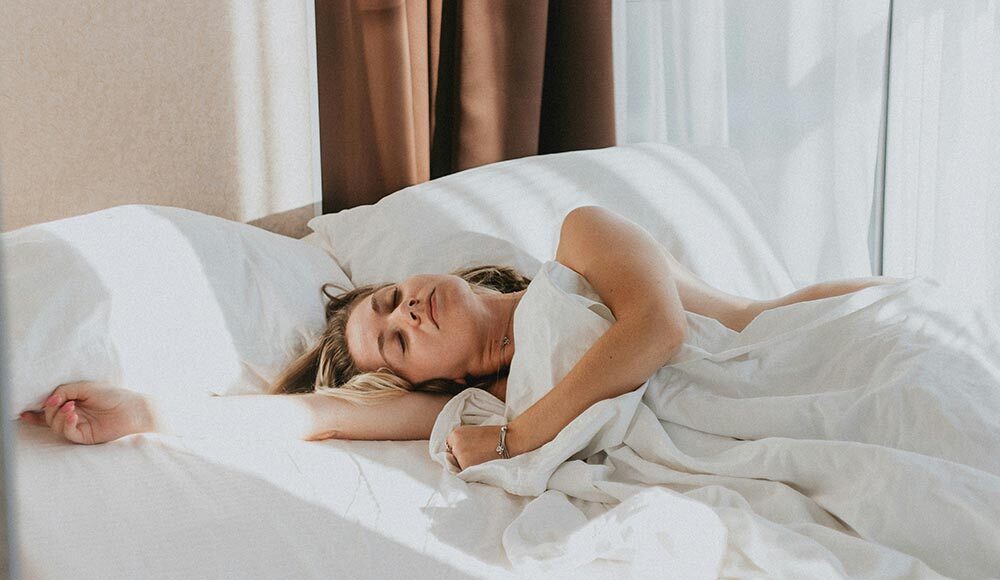
There is a reason the phrase beauty sleep has stuck around for generations, even if it sounds a little old fashioned.
At some point, everyone notices the difference between a full night of rest and the kind of sleep that feels more like a suggestion than a reality. Skin looks different, mood shifts, and even the way you carry yourself changes. The idea is simple, but the execution is not always easy. Figuring out how much sleep actually counts as beauty rest depends on more than just a number on the clock, and it is more personal than most people expect.
The Myth Of Eight Hours
The classic eight hour rule is neat and easy to remember, which is probably why it refuses to go anywhere. But real life does not always cooperate with neat formulas. Some people wake up feeling sharp after seven hours, while others drag through the day unless they get closer to nine. The difference comes down to sleep cycles, stress levels, and even how consistent your schedule is.
What matters more than hitting an exact number is whether your sleep feels uninterrupted and restorative. If you are waking up multiple times or staring at the ceiling at 2 a.m., those hours do not carry the same weight. Beauty rest is not about logging time like a shift at work. It is about reaching the deeper stages of sleep where your body actually resets itself.
What Shows On Your Face
Anyone who has caught their reflection after a bad night knows the truth before anyone else has to say it. Dullness, puffiness, and that slightly worn out look do not need an explanation. It is one of the few things that feels immediate and visible, which is why the connection between rest and appearance is so widely accepted.
At a basic level, sleep impacts your appearance by giving your skin time to repair itself. Blood flow increases, collagen production gets a boost, and inflammation settles down. When that process gets cut short, the signs show up quickly. Under eye circles become more obvious, fine lines look sharper, and skin tone can look uneven.
There is also something less tangible but just as noticeable. When you are well rested, your expression softens, your eyes look clearer, and your overall presence feels more relaxed. It is not just about skincare or genetics. It is about how your body shows up when it has had enough time to recover.
Comfort Changes Everything
Sleep quality often comes down to something far less glamorous than serums or supplements. It is your mattress. It sounds obvious, but people tend to tolerate discomfort longer than they should, especially when it creeps in gradually over time.
There is no universal preference that works for everyone, which is why testing different options matters more than following trends. Whether it’s the best firm mattresses or plush, finding the type of mattress that lets you sleep through the night is essential because the right support keeps your body from constantly adjusting itself while you are supposed to be resting. That subtle shifting adds up, even if you do not remember it.
A mattress that aligns with how you sleep, whether you are a side sleeper, back sleeper, or someone who rotates positions all night, can change everything. It reduces pressure points, supports your spine, and makes it easier to fall into deeper sleep without interruption. That is where the real benefits start to show, not just in how you feel, but in how you look the next day.
Consistency Over Perfection
One of the more frustrating parts of trying to improve sleep is the pressure to get it exactly right every night. Life does not work that way. Late dinners happen, stress shows up, and sometimes your brain decides it is the perfect time to replay conversations from five years ago.
Consistency matters more than perfection. Going to bed and waking up around the same time, even on weekends, helps regulate your internal clock in a way that feels almost invisible but makes a noticeable difference. Over time, your body starts to expect rest at certain hours, which makes falling asleep less of a battle.
Small habits also carry more weight than people expect. Dimming lights in the evening, putting your phone down a little earlier than usual, and creating a space that actually feels calm all contribute to better sleep without requiring a complete lifestyle overhaul. It is less about strict rules and more about giving your body a signal that it is time to wind down.
The Hidden Energy Factor
Beauty sleep is often framed in terms of appearance, but energy is just as important. The way you move through the day, how you focus, and even how you interact with people are all tied to how well you slept the night before.
When sleep is consistent and restorative, energy feels steady instead of spiking and crashing. You are less likely to rely on caffeine to get through the afternoon, and your mood tends to stay more balanced. That stability shows up in subtle ways, from how you handle stress to how present you feel in everyday moments.
There is also a feedback loop at play. Better sleep leads to better energy, which makes it easier to maintain habits that support sleep in the first place. It becomes less of a chore and more of a natural rhythm.
Finding Your Number
So how much sleep actually counts as beauty rest. For most people, it falls somewhere between seven and nine hours, but the exact number is less important than how you feel when you wake up. If you are alert, steady, and not reaching for your phone to check the time every hour overnight, you are likely in the right range.
Pay attention to patterns instead of isolated nights. One restless evening does not undo everything, just like one good night does not fix chronic exhaustion. Over time, your body will give you clear signals about what works and what does not, if you are willing to notice them.
The idea of beauty sleep might sound like something pulled from an old magazine, but it holds up because it is rooted in something real. When your body gets the rest it needs, it shows, and not in a subtle way.
Wrapping Up
Beauty rest is not a fixed number or a rigid formula. It is the point where your sleep feels deep enough, long enough, and consistent enough to support both how you feel and how you look. When those two line up, you do not have to overthink it. You can see it, and you can feel it.