

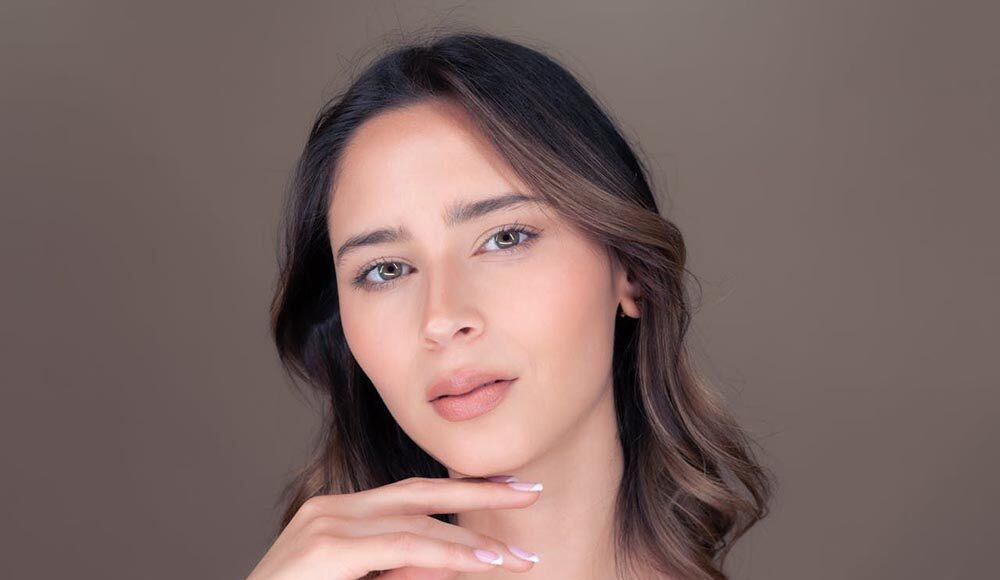
Getting that facial glow for fashion week is less about dramatic transformation and more about bringing your skin to its healthiest, most luminous baseline, the kind of radiance that reads on camera and in person without looking like you’ve done anything at all.
Fashion week energy, whether you’re attending shows, working backstage, shooting street style, or simply navigating the social calendar that surrounds it, puts real demands on your skin: late nights, artificial lighting, air travel, and the psychological load of being seen. Your skin registers all of it.
The Bottom Line Up Front
Start your skin preparation at least four to six weeks before your first event. Use the weeks before to address congestion, texture, and hydration at depth. Use the final week to maintain, not treat. A single facial the morning of your first show will not undo months of accumulated stress, sleep debt, and neglect, but a phased protocol leading into the season absolutely will. Glowing skin is a health outcome, not a cosmetic trick, and the timeline is what separates results that last from results that fade by noon.
Key Concepts
The Biology Behind Radiant Skin
Facial glow is primarily a function of light scattering, specifically how evenly light bounces off the surface and upper layers of your skin. When the stratum corneum (your outermost skin layer) is well-hydrated and has smooth, regular cell turnover, light reflects uniformly, creating that characteristic inner-lit appearance. When it’s dehydrated, congested, or inflamed, light scatters unevenly and skin looks dull, flat, or grey regardless of how much product has been applied.
Circulation is the other half of the glow equation. Blood flow delivers oxygen and nutrients to skin cells while carrying away metabolic waste. Manual facial massage, lymphatic drainage techniques, and heat-based therapies all work by stimulating microcirculation in the dermis, which is why skin genuinely looks better after a well-performed facial and not just because of what was applied to it. The redness that immediately follows deep facial work is the circulatory system responding, and the glow that settles in the days after is that system doing its job.
Stress hormones, cortisol in particular, actively suppress skin function. Cortisol increases sebum production, compromises the skin barrier, slows healing, and triggers inflammatory responses that show up as breakouts, redness, and puffiness. Fashion week is, almost by definition, a high-cortisol season. Any plan for getting that facial glow for fashion week has to account for stress as a direct skin factor, not just a background lifestyle issue.
The Role of Preparation Timing
Getting that facial glow for fashion week on a real timeline means starting skin preparation at least four to six weeks before your first major event. That window allows you to complete a deeper, more active treatment, something that addresses texture, congestion, or hyperpigmentation, with enough recovery time that any redness or purging has fully resolved. The final week before fashion week is not the time for anything aggressive; it’s the time to support, hydrate, and calm.
A single facial the week of an event can absolutely make a visible difference, but it should be chosen specifically for that timing. Lymphatic drainage facials, hydration-focused treatments, and gentle enzyme exfoliation are all appropriate close to the event. Anything involving strong acids, microneedling, or extractions on congested skin should happen further out.
Implementation
Building Your Pre-Fashion Week Facial Protocol
A practical approach to getting that facial glow for fashion week works in three phases: reset, build, and refine.
The reset phase, four to six weeks out, focuses on clearing congestion, addressing any active inflammation, and re-establishing a healthy skin barrier if it’s been compromised by over-exfoliation or reactive product use. This might involve enzyme treatments, a rebalancing facial, or a focused lymphatic drainage session if puffiness and dullness are the dominant concerns.
The build phase, two to three weeks out, is where you support cellular turnover and deepen hydration. Professional-grade hyaluronic acid infusions, oxygen facials, or LED therapy (particularly red light for collagen stimulation and reducing inflammation) all work well here. At home, this phase calls for consistency over novelty, a gentle vitamin C serum in the morning, a barrier-supporting moisturiser, SPF without negotiation, and no introduction of new actives that could trigger a reaction before your event window.
The refine phase, the week of fashion week itself, is about maintaining what you’ve built. A calming, brightening facial focused on hydration and circulation, without anything that would cause even temporary redness, is appropriate here. Gua sha and facial massage done gently at home on the morning of events can provide a noticeable lift and improve circulation. Think of this phase as tending, not treating.
What to Do at Home Between Appointments
The at-home routine needs to support professional treatments rather than work against them. The most common mistake is over-exfoliating in the belief that more acids equal more glow. In reality, a stripped or reactive barrier looks dull and feels tight, which is the opposite of what you’re building toward. If you’re seeing an esthetician regularly in the lead-up to fashion week, very little exfoliation is needed at home.
Sleep and hydration are not negotiable variables. Skin repairs itself primarily during sleep, collagen synthesis, cellular regeneration, and barrier recovery all peak during the deep sleep cycle. Arriving at fashion week running a sleep deficit is visible in the skin in ways that no topical product can fully address.
Facial massage at home is underused and highly effective for maintaining glow between appointments. Five minutes of upward, outward strokes using a facial oil, working from the neck up through the jawline, cheeks, and forehead, stimulates lymphatic drainage, reduces morning puffiness, and genuinely improves skin tone over time with consistent practice. It costs nothing and requires no special equipment beyond clean hands and a good oil.
Best Practices
What Actually Works and What Doesn’t
The best practice for getting that facial glow for fashion week is to treat skin as a connected system rather than a surface problem. That means addressing factors like stress, sleep, hydration, and diet with as much intention as you bring to skincare products and treatments. Someone who drinks two litres of water a day, sleeps seven hours, and manages their cortisol will consistently see better results from the same treatments than someone who doesn’t.
Avoid stacking too many active treatments in the weeks before fashion week under the belief that more is faster. Aggressive chemical peels, microneedling, and strong retinoid use all require recovery time, and scheduling them too close together, or too close to your event, risks leaving skin sensitised, red, or purging at exactly the wrong moment. A clear, calm, hydrated face outperforms a technically treated but irritated one every single time.
When choosing an esthetician or clinic for this kind of preparation, prioritise practitioners who are willing to be honest about timing and realistic about outcomes. Getting that facial glow for fashion week is not about fixing problems, it’s about expressing the health your skin already has. For readers in Vancouver, Topaz Facial Studio approaches pre-season skin preparation along exactly these lines.
A Note on Realistic Expectations
Getting that facial glow for fashion week is achievable for almost anyone with healthy skin function, but it’s not the same as having someone else’s skin. Your glow will look like your skin at its best: your texture, your natural tone, your underlying structure. The goal that actually motivates lasting results is wanting to look like the most vital version of yourself, not a filtered version of someone else.
The people who arrive at fashion week looking genuinely radiant aren’t necessarily the ones who spent the most or treated the most aggressively. They’re the ones who came into the season curious about their skin, willing to work with their biology rather than against it, and invested in their health in a real and sustained way. That’s the context in which getting that facial glow for fashion week becomes not just possible but repeatable, season after season, whether there’s a fashion week on the calendar or not.
Give your skin the right conditions, professionally and at home, and it will show you what it’s capable of. More often than not, that’s more than enough.