

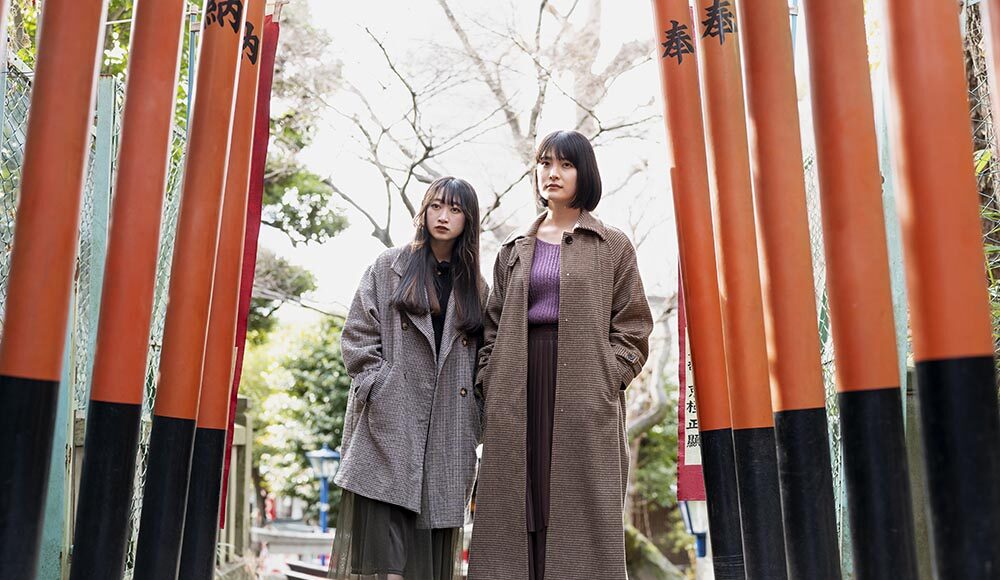
Japanese fashion has long held a quiet influence over global style, but in recent years, its impact on the U.S. market has become far more visible.
From oversized silhouettes to minimalist layering and heritage-inspired textiles, Japanese-inspired clothing is no longer niche—it’s shaping how Americans think about everyday style.
At the core of this movement is a philosophy that values craftsmanship, intentionality, and individuality. Unlike fast fashion trends that cycle rapidly, Japanese style leans toward timelessness. Pieces are often designed to be worn across seasons, layered creatively, and appreciated for their construction rather than just their appearance.
One of the most noticeable trends is the rise of relaxed, oversized silhouettes. Wide-leg trousers, boxy shirts, and flowing outerwear are becoming staples in American wardrobes. This shift reflects a broader cultural move toward comfort and versatility, especially in a post-pandemic world where rigid dress codes have softened. Japanese-inspired fits offer freedom of movement without sacrificing style, making them ideal for both casual and semi-formal settings.
Another defining element is the emphasis on neutral tones and natural fabrics. Shades like indigo, beige, charcoal, and off-white dominate, often paired with materials such as cotton, linen, and denim. These choices not only create a cohesive aesthetic but also align with the growing demand for sustainable and long-lasting clothing. Many consumers are moving away from synthetic-heavy fast fashion and toward pieces that feel authentic and durable.
Layering is also central to Japanese-inspired dressing. Rather than relying on bold logos or loud patterns, the style focuses on how garments interact with each other. A simple outfit might include a longline shirt under a structured jacket, paired with cropped trousers and understated footwear. The result is a look that feels effortless yet thoughtfully composed.
In the U.S., this aesthetic has been embraced by both streetwear enthusiasts and those seeking a more refined, minimalist wardrobe. Brands that bring these elements to a broader audience are playing a key role in this shift. For example, many shoppers exploring this trend come across collections like this Japanese clothing brand, which offers pieces that reflect traditional design principles while remaining accessible to modern consumers.
Women’s fashion is equally influenced by this movement. Flowing dresses, kimono-inspired layers, and asymmetrical cuts are becoming more common, offering alternatives to conventional Western silhouettes. Those interested in exploring these styles often turn to curated selections such as their women’s collection, where the balance between elegance and comfort is clearly evident.
What makes Japanese-inspired clothing particularly appealing is its adaptability. It doesn’t demand a complete wardrobe overhaul. Instead, it encourages gradual integration—adding a single statement piece or experimenting with new proportions. This flexibility allows individuals to develop a personal style that feels both unique and grounded.
Ultimately, the growing popularity of Japanese-inspired fashion in the U.S. reflects a deeper shift in consumer mindset. People are becoming more conscious of what they wear, how it’s made, and how it fits into their lifestyle. In this context, Japanese design principles—rooted in simplicity, functionality, and quiet sophistication—offer a compelling alternative to trend-driven fashion.
As this influence continues to grow, it’s clear that Japanese-inspired clothing is more than just a passing trend. It’s a redefinition of modern style—one that prioritizes meaning, comfort, and enduring appeal.