
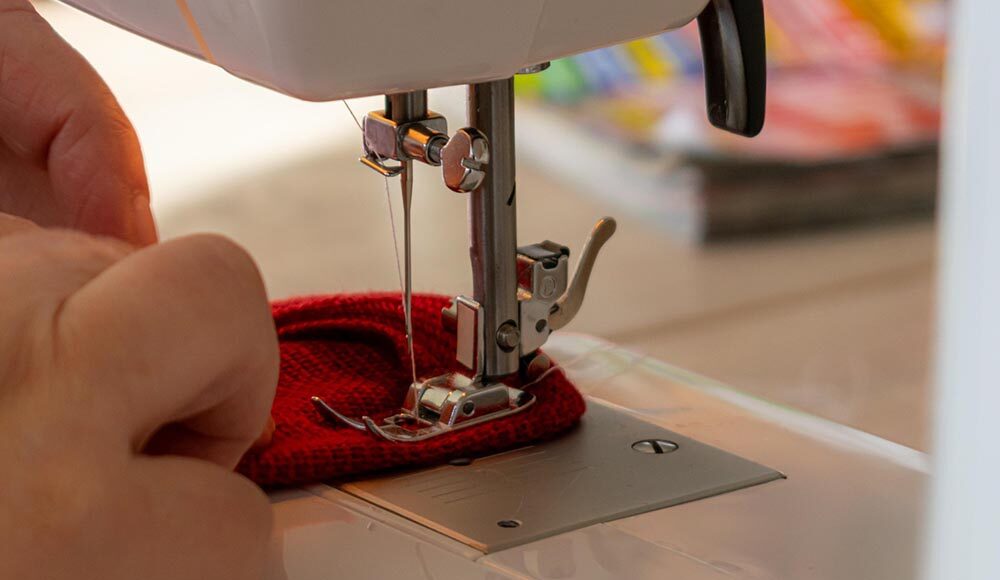
Industrial machines are a vital part of modern manufacturing.
These machines improve the efficiency and output of the factory through their superior quality features and solid construction. These machines are a lifeline for many industries striving to meet increasing demands and maintain quality. Understanding the influence on production can help companies make beneficial decisions for growth.
Speed and Efficiency
Compared to regular sewing machines, high-end machines, like Juki industrial sewing machines, are surprisingly fast. These machines have the capacity to finish thousands of stitches in a minute without any variation. That speed of stitching allows factories to churn out large orders in much less time. Less time spent per product means quicker service to clients and the possibility of accepting more projects.
Consistent Quality
Using industrial sewing machines actually makes it easier to maintain quality control. These machines guarantee uniform stitching on every piece, significantly reducing defects. Consistent outcomes preserve brand credibility and reduce returns. This approach makes it possible to maintain high standards even during production highs.
Durability and Reliability
Industrial sewing machines, designed for continuous operation, endure long hours of operation without frequent breakdowns. Made from sturdy materials, they can also stand up to a tough work environment. Fewer repairs and less downtime not only keep production moving, but also lower the overall cost of a piece of equipment over its entire life cycle. This reliability can aid in meeting short timelines with fewer interruptions.
Versatility in Applications
These machines can be adapted to different fabrics and numerous products. From the daintiest of fabrics to the sturdiest of materials, they manage it all. This enables them to easily transition to different kinds of work thanks to their adjustable settings. This is beneficial for businesses that have a variety of item ranges.
Reduced Labor Costs
Automated industrial sewing machine functions can help reduce the requirement for manual labor. This encourages higher overall productivity as operators can oversee multiple machines simultaneously. Fewer personnel can accomplish the same amount of work, leading to reduced wage expenses. This saving can be invested elsewhere, which contributes to profitability.
Improved Worker Safety
To help safeguard the operator, modern industrial sewing machines come with built-in safety features. Guards and automatic shut-off systems prevent injuries. Simpler designs with easy-to-understand controls and ergonomic layouts allow for their use with little effort. Clean workplaces mean that employees will feel more comfortable and be able to perform better.
Lower Error Rates
Precision engineering minimizes the chance of errors in production. Every individual step is repeated accurately with automated controls, which helps to minimize human error. If you make fewer mistakes, you waste less material and incur lower costs to correct them. This makes quality assurance a straightforward, trustworthy process.
Energy Efficiency
Recent developments in industrial sewing machine design have reduced power consumption without sacrificing performance. Their energy-saving features assist manufacturers in maintaining their operational costs over time. Reduced utility bills are a way for businesses to save money over the long run. Sustainable practices attract eco-friendly consumers too.
Easy Maintenance
Industrial sewing machines allow manufacturers to produce goods in no time. Easy-to-access components and simple guides reduce the time it takes to produce goods in bulk. Keeping regular maintenance prolongs the life span and ensures productivity. A well-maintained machine can run at optimal effectiveness for many years.
Support for Large-Scale Production
Factories receive large orders and rely on machines to maintain pace. Industrial sewing machines allow you to sew nonstop while maintaining quality in the stitching and the overall product. With this feature, you can make thousands of goods in days. Reliable throughput allows businesses to accept higher order volume with peace of mind.
Customizable Features
Industrial sewing machines come with the ability to customize designs. Custom solutions can be built using available stitch patterns, controls for speed, and adjustments for fabrics. These options allow manufacturers to build different products for different clients. By providing customization, it diversifies the product and has a broader market appeal.
Conclusion
Industrial sewing machines are a major contributor to production and provide speed, reliability, and quality. They also feature cost savings, worker safety, and flexible manufacturing. Businesses employing these machines can cater to increasing customer demands without compromising on quality. Therefore, investing in industrial sewing equipment is a relevant option to increase production while maintaining competitiveness and quality standards in the manufacturing market nowadays.