

There’s a reason you can often tell a department-store spray apart from a niche perfume counter sample within seconds.
Luxury fragrances are built from rare materials, layered with heritage storytelling, and engineered to linger on skin in ways cheaper scents simply can’t replicate. The global perfume market reached an estimated $60.0 billion in 2025 and is projected to climb to $96.1 billion by 2033, and a growing slice of that spending is going toward fragrances that promise something beyond a pleasant smell. So what actually separates an “expensive-smelling” perfume from an ordinary one? The answer lies in ingredients, storytelling, chemistry, and a healthy dose of social proof.
The Role of Ingredient Quality and Sourcing
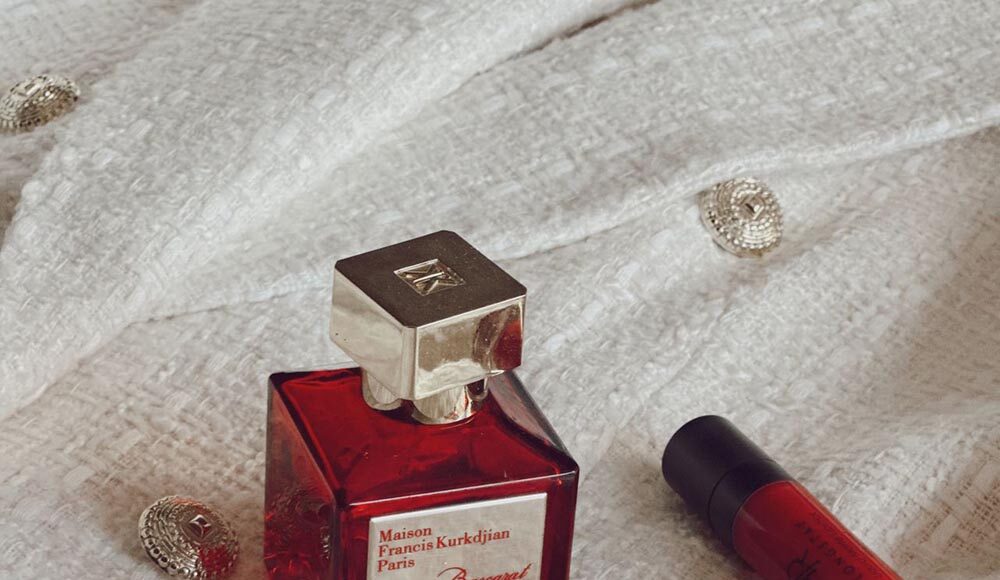
Luxury fragrances typically lean on materials that are either naturally rare or prohibitively expensive to produce synthetically at scale. Oud, extracted from agarwood, remains one of the costliest raw materials in perfumery due to limited supply and labor-intensive harvesting. Ambroxan, a synthetic substitute for ambergris, has become a staple of modern luxury perfumery for its warm, musky depth. Baccarat Rouge 540, created by Maison Francis Kurkdjian, is a compelling example of how a luxury fragrance can develop a following far beyond its original niche. Its rise illustrates the influence of distinctive scent profiles, brand positioning, and online word of mouth. Read more about the story behind Baccarat Rouge 540’s popularity.
The synthetic-versus-natural debate matters here too. Natural essences offer complexity that’s hard to replicate, but synthetic molecules like ambroxan allow perfumers to achieve consistency, longevity, and unique accords that nature doesn’t always provide on its own. The best luxury fragrances often blend both, using natural ingredients for nuance and synthetics for structure and staying power.
Brand Heritage and Positioning
Price tags in perfumery rarely reflect ingredients alone. Heritage, craftsmanship, and brand storytelling carry enormous weight. Houses like Chanel, Guerlain, and Hermès lean on decades (sometimes centuries) of perfumery tradition to justify premium pricing, while niche houses like Maison Francis Kurkdjian build exclusivity through limited distribution and carefully controlled brand narratives.
Maison Francis Kurkdjian’s approach with Baccarat Rouge 540 illustrates this well. The name itself ties back to Baccarat, the storied French crystal house, with “540” referencing the temperature at which gold is fused into crystal to create its signature red hue. That kind of narrative depth transforms a bottle of liquid into a story worth paying for, and it’s part of why niche and story-driven fragrances continue gaining ground among consumers seeking something beyond generic luxury.
The Psychology of Scent and Longevity
A fragrance that fades within an hour rarely feels expensive, no matter how nice its opening notes are. Sillage (the trail a scent leaves behind) and longevity are two of the clearest signals consumers associate with quality. Eau de Parfum concentrations, which hold the largest share of the global perfume market at 42.1%, remain popular precisely because they balance wearability with staying power.
Distinctiveness also plays a psychological role. Fragrances that smell unlike anything else on the market tend to be remembered, talked about, and sought after. This is part of why consumers report wearing fragrance for identity and confidence rather than function alone. According to one industry study, a notable share of women cite confidence as a primary reason for wearing perfume, reinforcing that scent is as much about emotional payoff as it is about smell.
The Power of Social Proof and Word of Mouth
Fragrance discovery has shifted dramatically in the last several years. Platforms like TikTok, Instagram, and YouTube now drive significant portions of fragrance discussion, with users sharing reviews, comparisons, and recommendations that shape buying decisions before a single bottle is sprayed. This online word-of-mouth effect has turned certain fragrances into cultural touchstones almost overnight.
It’s worth noting that viral reviews are often first impressions, not full verdicts. Most viral videos are filmed minutes after application and capture the opening notes rather than the drydown, which means the full character of a scent, including how it ages over several hours, often gets left out of the hype cycle. Still, the sheer volume of online discussion has proven powerful enough to turn niche releases into mainstream must-haves.
Baccarat Rouge 540: A Case Study in Luxury Fragrance Success
Released in 2015 to mark Baccarat’s 250th anniversary, Baccarat Rouge 540 opens with jasmine and saffron before settling into a warm base of amberwood and fir resin. Wearers consistently describe it as sweet without being sugary and warm without feeling heavy, a balance that makes it instantly recognizable. That distinctiveness, paired with its unisex appeal and status as a scarce, premium-priced release, helped it spread person to person before social media amplified it further.
Its popularity hasn’t come without a downside. Because Baccarat Rouge 540 is so widely desired, it’s also among the most counterfeited fragrances on the market, making it a textbook example of why sourcing from authenticated retailers matters as much as the scent itself.
How to Identify a Truly Expensive Fragrance
A few practical markers can help separate genuinely luxurious fragrances from imitations or lower-quality alternatives:
- Concentration Labeling: Look for Eau de Parfum or Extrait de Parfum on the label, which generally indicates higher oil concentration and longer wear than Eau de Toilette.
- Packaging Weight and Detail: Luxury bottles tend to feel substantial, with precise printing, quality caps, and minimal glue residue or alignment errors.
- Batch Codes: Authentic luxury fragrances include verifiable batch codes, which counterfeit products often lack or falsify.
- Retailer Authentication: Buying from authorized retailers or brand-verified sellers significantly reduces the risk of counterfeit products, which remains a persistent issue across the luxury fragrance market.
Choosing Fragrance With Intention
Luxury fragrance pricing is never just about what’s in the bottle. It’s a combination of rare materials, decades of brand storytelling, the chemistry of longevity, and the momentum of online conversation. Understanding these layers makes it easier to recognize genuine quality rather than simply chasing hype. Next time you’re drawn to a fragrance that smells unmistakably expensive, take a moment to consider what’s actually behind that impression, and shop with that insight in mind.