

Introduction
Over the years, the textile finishing techniques have never ceased to change in bid to improve the beauty and functionality of clothing.
Flocking is one of numerous techniques that can be used by textile manufacturers, this is a technique that is regularly employed by numerous industries in their production processes.
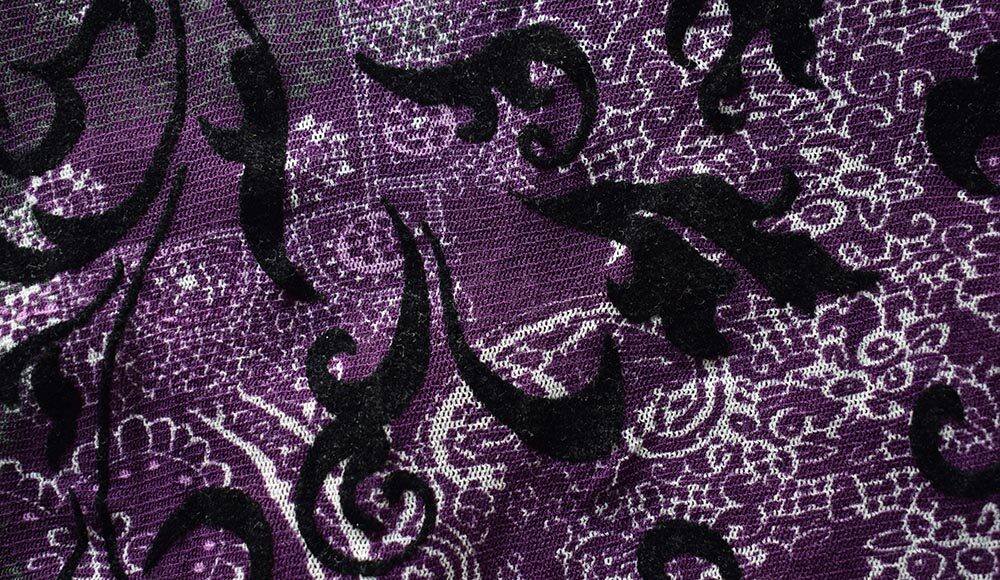
Flocking is the process of attaching fine, light fibres on a surface to create a velvet like appearance or softness. Flocked fabrics find application in a large number of industries including fashion, furnishing, and car interior covers.
This paper covers a summary of the fundamental operational procedures and specifics of both flocking and the different forms of advantage connected with the application of flocking techniques in textile designs and tendencies in the utilization of such kinds of technologies to finish textile.
The Basics of Flocking in Textiles
What is Flocking and How Does It Work?
Flocking is a process of attaching fine textured fibres or flock, to an adhesive coded surface. Flocking: The fibres are mounted upright on the other when added on top of each other to form a dense and even surface texture making it look like velvet or suede.
Electrostatic flocking is the most commonly used industrial method to flock and it involves the electrostatic charging of the flock fibres and then forcing them towards the adhesive surface.
This allows much accuracy as well as consistency provided such fibres are aligned to give the finish. Flock printing is especially successful in the garment decoration industry because this technique can be applied to produce raised, textured effects on cloth, as well as contributing to the aesthetic feel and the aesthetic of a garment.
Types of Flocking Techniques
Mechanical vs. Electrostatic Methods
The different types of flocking techniques in the market can produce the same outcome but in different applications will be appropriate.
- Mechanical Flocking: It describes the method of application of the fibers to surfaces covered by an adhesive in a physical way without an electrical power source (i.e. “dispersing”). This is as simple as it is, yet this process does not allow a precise approach of placing a uniformly distributed fabric on the surface.
- Electrostatic Flocking: It applies the electricity to produce a field of electricity to position the fibers vertically. The end product is a smoother and more durable finish.
- Spray Flocking: It is commonly applied to the surfaces and materials of uneven shape and where other techniques would be inappropriate.
Electrostatic flocking is still the best approach to most industrial uses as it produces quality products, has the most reliable and repeatable production and in the case when done with the necessary care, they do offer a huge save in costs.
Materials Used in Flocking
Fibers, Adhesives, and Substrates
Quality of flocked textiles depends on the material which is used in flocked textiles:
- Fibers: Although polyester, nylon, rayon, and cotton can be utilized, the most common is nylon because of its strength and with the power to survive the challenges of everyday use and washing.
- Adhesives: There are several varieties of adhesives that are being used to perfectly fit the end use/application. It includes water based adhesives, solvent based adhesives and even hot melt or cold adhesive applications.
- Substrates: Flocking may be applied on any types of fibers, as well as paper, rubber, plastic and metal.
These components taken wisely, will go a long way in ensuring that the end product that will be made will perform as expected particularly when it will be subjected to harsh conditions or other outside environment aspects.
Industrial Applications of Flocking
Where Flocking is Commonly Used
The application of flocking technology has been applied in numerous industries such as:
- Apparel and Fashion: Flocking is a decoration applied to clothing to produce logos and decorations.
- Furniture and Upholstery: Flocking gives an upholstered product like cushions and coverings a soft finish.
- Automotive Industry: Flocking improves the quality of automotive interior components (such as dashboards, glove boxes).
- Packaging: Flocking gives the packaging of a product a high-quality touch.
For many manufacturers today, they employ an integrated system with a Textile Flocking Solution, allowing them to produce millions of items with consistent quality regardless of how they’re produced, while also reducing the amount of waste and improving production efficiency.
Advantages of Textile Flocking
Why Industries Prefer Flocking
One can consider numerous benefits of the flocking that can make the latter one an attractive option that manufacturers can consider using in their production:
- Enhanced Aesthetics: produces a plush, velvety look.
- Improved Texture: offers a softer, more tactile feel to surfaces.
- Durability: if applied correctly, will hold up to wear and tear.
- Versatility: can be used on a wide range of materials and products.
Flocking may also enhance useful attributes depending on the use(enhancing insulating properties; enhancing sound attenuation; enhancing grip).
Challenges and Considerations
Limitations and Quality Control
Although flocking has numerous advantages, there are also several disadvantages to this technique:
- Adhesion Issues: The bondings may fail and the fibers may come off as a result of adhesion problems.
- Environmental Sensitivity: Photoperiods (temperature/humidity) can have an impact on the adhesives, and the performance of the adhesives to its applications and quantity required to be used to have successful adhesion.
- Cost Factors: The high cost of high quality flocking processes can be more expensive than the anticipated payback of such a process.
- Quality Consistency: The quality of a finished product should be controlled in terms of quality consistency by a close control over the electrostatic conditions and raw materials.
The manufacturers will be required to be keen in these variables to make certain that they can be able to maintain consistency and be in compliance with the relevant industry standards.
Future Trends in Textile Flocking
Innovation and Sustainability
The textile business remains focused on eco-friendly and innovative approaches. This involves within the flocking process and outside the process:
- Eco-Friendly Adhesives: It involves the establishment of water adhesives and biodegradable adhesives.
- Recycled Fibers: More sustainable and eco-friendly fibers are used.
- Automation: Using more advanced technology for improving the precision and efficiency of manufacturing.
- Smart Textiles: Adding flocking and functionality fabric to enhance the operations of such textiles.
The above trends imply that there has been a tendency towards making processes in flocking more environmentally friendly and technologically developed.
Conclusion
A plentiful array of applications where the textile process of flocking can be used to add both scenic and practical value is made possible through the process of flocking. The flocking is easily used in various industries such as automobiles, furniture, and even fashion due to flocking being disarmingly smooth and tough, as well as, being visually appealing with its surface appeal.
Thus, flocking is one of the most important elements of contemporary production. The quality and cost effectiveness of textile flocking improvement remains highly propelled by ingenious developments in materials and technology despite the challenges associated.
Following the current trends in the flocking industry, with the constantly increasing demand of sustainable and efficient production processes, there will be the possibility to adjust the process and permit additional opportunities in design and production.