

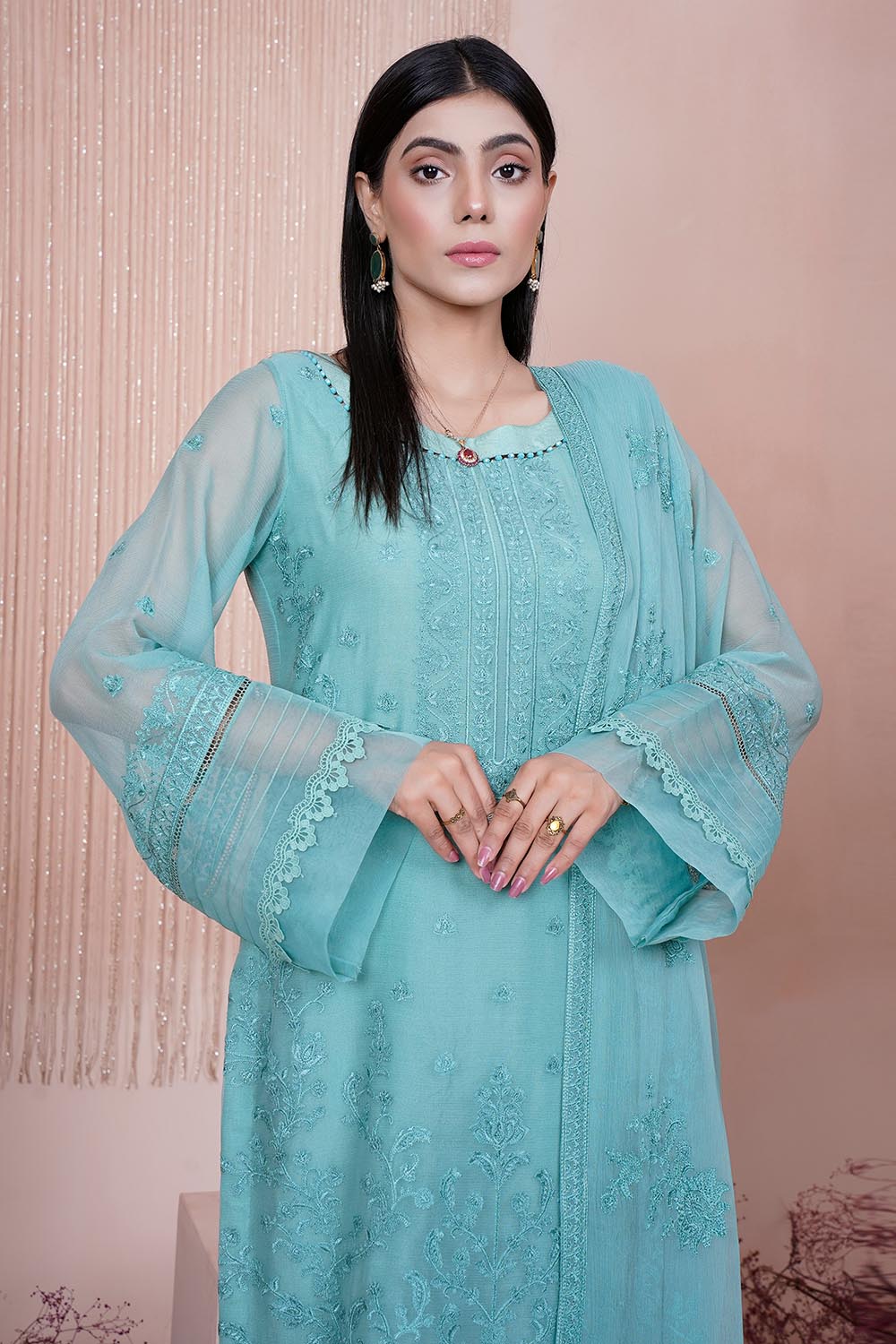
In recent years, the British high street has witnessed a quiet revolution: Pakistani fashion is no longer limited to diaspora communities but has become part of mainstream style.
The UK’s apparel market is worth roughly £68.7 billion and remains the third‑largest clothing market in the world. Britons buy an average of 61 pieces of clothing annually, and this appetite for fresh looks has created space for culturally inspired trends. At the same time, research by Bath Spa University points to “persistent and growing demand” for modest fashion – styles with longer hemlines and higher necklines – driven by Muslim consumers and Instagram users. About 17.2 % of the European modest clothing market is in the UK, yet only 6.5 % of British consumers identify as Muslim, indicating that this trend extends well beyond religious communities. With the UK’s fashion landscape evolving, brands are introducing curated Pakistani collections that blend tradition with modern style, appealing to diverse audiences seeking something elegant yet practical.
Historical Context: Pakistani Fashion in the UK
Pakistan’s national dress is the shalwar kameez – a knee‑length shirt (kameez) worn over loose trousers (shalwar). Britannica notes that this combination is the most common traditional attire; men may add a knee‑length sherwani coat for formal occasions, and women often wear a light dupatta shawl. Variations of this ensemble, made from silk, cotton or chiffon, form the backbone of Pakistani fashion.
In the UK, the appeal of these garments was historically limited to the sizeable diaspora. The 2021 census counted 1.6 million British Pakistanis living in England and Wales, and this community largely sustained retailers of shalwar kameez, kurtas and elaborate wedding wear. That perception shifted dramatically after the Duke and Duchess of Cambridge toured Pakistan in 2019. When the duchess stepped out in a turquoise shalwar kameez and other Pakistani designs, London‑based retailer Studio recorded a surge in interest from non‑Asian women. Customers bought identical outfits, and the director remarked that Pakistani fashion now carries a “royal stamp of approval”. Casual Pret pieces, with subtle embroidery and elegant silhouettes, particularly resonated with foreigners because they felt less heavy than traditional wedding ensembles. This royal endorsement helped reposition Pakistani fashion from a niche ethnic option to an elegant choice for anyone seeking refined modest wear.
Modern Modest Fashion Trend
Modest fashion is loosely defined as clothing that offers greater coverage – long sleeves, longer hemlines and higher necklines – without sacrificing style. Bath Spa University’s 2025 research highlights that global demand for modest fashion is growing and is not limited to Muslim communities. Bournemouth University’s Dr Samreen Ashraf notes that many women gravitate to modest styles to avoid objectification, and that the market remains underserved. Reports estimate that the European modest clothing market expanded from €56.8 billion to €72.5 billion between 2021 and 2025, and roughly 17.2 % of this market comes from the UK. Remarkably, only 6.5 % of UK consumers in the segment identify as Muslim, indicating cross‑cultural appeal.
In practical terms, Pakistani fashion fits seamlessly into this movement because its core garments deliver both coverage and style. Shalwar kameez sets, flowing kurtas and embroidered dupattas offer elegance without immodesty, and designers experiment with silhouettes to suit diverse tastes. Ready‑to‑wear collections provide everyday options using breathable cottons and contemporary cuts. Eid and festive collections celebrate cultural moments with jewel‑tone fabrics and intricate embellishments. Formal outfits such as long jackets paired with tapered trousers blend heritage with modern tailoring. These categories show how Pakistani fashion aligns with the global modest aesthetic while offering a range of price points and versatility.
Why Pakistani Fashion Appeals to UK Consumers
Several factors explain the British appetite for Pakistani fashion.
- Blend of tradition and modernity – Brands reinterpret classic motifs like paisleys and block prints in contemporary colour palettes, delivering garments that feel both rooted and current. The duchess’s mix of high‑street brands with designers illustrated how traditional elements can look effortlessly chic.
- Quality craftsmanship and fabrics – Pakistani designers are known for hand‑embroidery, fine lawn cotton and sumptuous silks. This craftsmanship and the use of breathable fabrics stand out in a fast‑fashion market increasingly focused on durability and ethical sourcing.
- Versatility – Shalwar kameez suits work for office settings, festive gatherings or casual weekends, depending on fabric and styling. The Payoneer case studies note that brands have found success by emphasising traditional textiles while designing contemporary silhouettes.
- Influencer and celebrity impact – Royal endorsements sparked initial curiosity, and social media has amplified it. Muslim influencers on TikTok focusing on modest fashion amassed over 125 million views in 2023. Mainstream retailers have responded: the Ramadan economy contributes up to £1.3 billion a year to the UK economy, and major supermarkets and clothing retailers launched modest collections for Ramadan and Eid in 2025. These campaigns normalise modest clothing and highlight its commercial viability.
As a result, Pakistani garments are embraced by diverse consumers – from fashion‑savvy millennials seeking unique prints to professionals wanting tasteful yet comfortable clothing. The global shift toward sustainability has also encouraged shoppers to invest in high‑quality pieces with long lifespans, making handcrafted Pakistani fashion attractive in a market where per‑capita apparel spending already exceeds £1,000.
Brands Driving the Trend
Beyond Pakistani companies, mainstream retailers have embraced modest wear. A 2025 report estimates that consumer retail spending during Ramadan on food, clothing, gifts and travel accounts for £428–642 million, representing a two‑ to threefold increase over the past decade. This surge has prompted supermarkets like Tesco and Sainsbury’s to design culturally relevant campaigns, while clothing giants released modest collections for Ramadan and Eid. Such initiatives normalise modest dressing and open the door for South‑Asian brands to collaborate with or sell through mainstream channels.
Within this ecosystem sits Nishat Linen UK, a well‑known Pakistani label that caters to British consumers looking for tasteful modest wear. Its collections encompass ready‑to‑wear shirts and trousers, elegantly embroidered shalwar kameez ensembles, and sophisticated occasion wear. By offering stylish options without overtly marketing them as “ethnic”, the brand appeals to both South‑Asian and non‑South‑Asian shoppers seeking quality and comfort.
Cultural Significance and Future Outlook
The embrace of Pakistani fashion in Britain signals more than a trend – it illustrates how clothing can serve as a bridge between cultures. In a society where 2.6 million Muslims participate in Ramadan. And modest fashion’s market share is growing faster than the general apparel sector; adopting Pakistani designs reflects a celebration of diversity rather than mere appropriation. Academia recognises a new consumer segment: women who are not driven by religious conviction but require modest attire for work or travel. This indicates that modest wear is becoming a functional wardrobe choice across professions and faiths.
Looking ahead, several trends are likely:
- Mainstream adoption – As Bath Spa University’s research notes, leading brands are producing hijab and Ramadan lines, signalling modest fashion’s transition into a mainstream subculture. We can expect more high‑street labels to collaborate with South‑Asian designers and incorporate looser silhouettes into their core collections.
- Hybrid collections – Designers will continue to fuse Western tailoring with South‑Asian prints and embroidery. For example, long jackets over slim trousers or tunic‑style dresses with subtle embellishment are already popular and will evolve further.
- Digital growth – With UK online fashion sales projected to reach £52.8 billion in 2025, e‑commerce will remain critical. Social commerce via Instagram and TikTok allows small Pakistani labels to reach global audiences; the success of influencer‑led trends suggests this channel will only expand.
- Festival‑driven innovation – The Ramadan economy’s growth emphasises how cultural events can drive retail innovation. Expect more capsule collections timed around Eid, weddings and other festivals, catering not just to Muslims but to anyone drawn to celebratory, ornate garments.
The cultural significance of Pakistani fashion also lies in its ability to foster dialogue. As the academic report on modest fashion in women’s working lives observes, recognising religious fashion cultures and recruiting diverse talent into the fashion industry enhances understanding and reduces stereotyping. Pakistani fashion’s popularity encourages fashion schools, brands and media to develop literacy around religious and cultural dress codes, ultimately promoting inclusivity.
Conclusion
The rise of Pakistani fashion in the UK epitomises a broader cultural shift toward modern modest wear. Once confined to diaspora communities, shalwar kameez sets and embroidered kurtas have entered the mainstream, spurred by royal endorsements, social‑media influencers and increasing demand for elegant yet practical clothing. This shift coincides with a booming UK apparel market and a growing appetite for modest fashion across religious and secular audiences. Pakistan’s designers, from Khaadi to Sapphire, alongside labels like Nishat Linen UK, are well-positioned to serve this market with quality craftsmanship and innovative designs. As UK consumers embrace this vibrant trend, brands offering contemporary Pakistani collections – such as Nishat Linen UK’s ready‑to‑wear, shalwar kameez and occasion wear lines – are helping define the future of modern modest wear.