

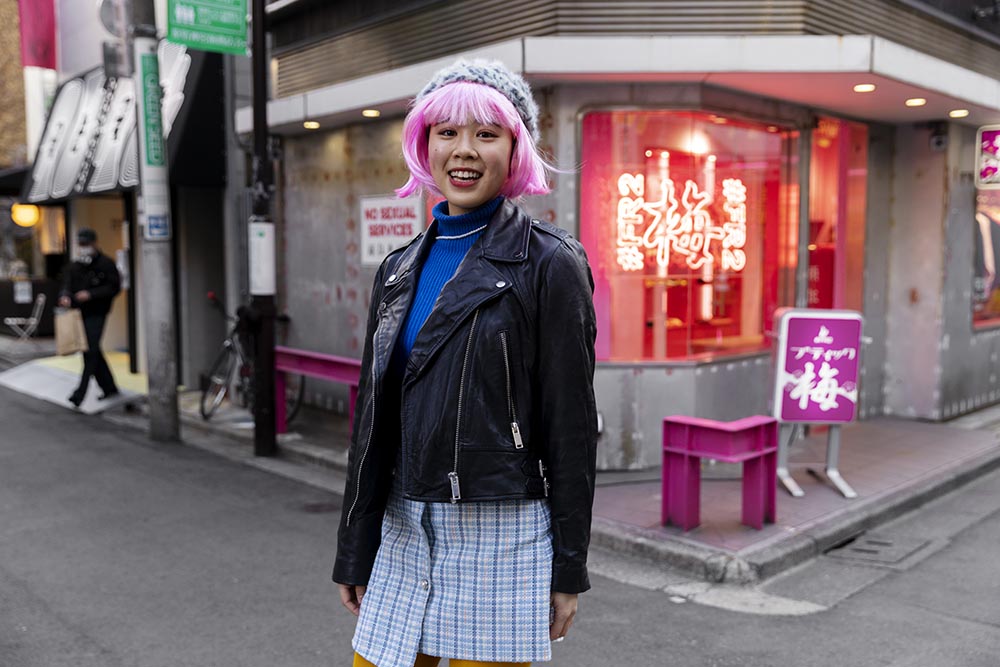
Japanese streetwear has a way of feeling effortless while still looking completely thought-out. It’s not loud in the obvious sense.
You won’t always see oversized logos or flashy graphics. Instead, the impact comes from the overall look – the flow of the outfit, the balance, the confidence behind it.
What makes it stand out isn’t one single garment. It’s a combination of key pieces that, together, create that recognizable Japanese streetwear energy.
Relaxed Trousers That Change the Whole Outfit
One of the first things you notice in a Japan streetwear outfit is the pants.
Wide-leg or relaxed trousers are everywhere in Japanese streetwear. Denim, cargo styles, soft cotton, sometimes technical fabrics – but always with room to move. The fit isn’t tight, and it’s not trying to show off the body. It creates space.
That extra volume changes how everything else sits. A simple t-shirt looks sharper when paired with looser trousers. A structured jacket feels more modern. Even basic sneakers stand out differently.
It’s not about exaggeration. It’s about comfort that still looks styled.
Clean, Strong Outerwear
Outerwear is often the piece that pulls the whole look together.
Think oversized blazers, long coats, lightweight parkas, boxy jackets. Nothing overly dramatic – but always intentional. The cut matters. The length matters. The way it falls over the shoulders matters.
A longer coat instantly elevates relaxed basics. A cropped jacket adds shape to wide trousers. Even a simple zip-up can look refined when layered correctly.
Japanese streetwear treats outerwear as more than just an extra layer. It’s usually the defining element of the outfit.
Layering That Feels Natural
Layering plays a big role, but it rarely feels forced.
A longer shirt under a sweatshirt. A hoodie under a blazer. A vest over a plain tee. The combinations are simple, but the difference in lengths and textures adds depth.
The key is that it doesn’t look overstyled. The layers feel like they belong together. Nothing screams for attention. It just works.
That’s part of the appeal – the outfit looks easy, even if it was carefully considered.
Neutral Colors With Subtle Variation
Japanese streetwear often sticks to a controlled color palette.
Black, grey, beige, navy, olive. Sometimes soft blues or washed tones. Bright colors do appear, but usually in moderation.
This keeps the focus on the shape of the outfit rather than on bold color combinations. When everything stays within a similar tone range, the look feels cohesive.
And cohesive always feels more elevated.
Footwear That Grounds the Look
Shoes matter – but they don’t overpower.
Clean sneakers, understated trainers, sometimes boots. The footwear usually complements the outfit instead of stealing attention from it.
Because the trousers tend to be wider, the shoes help balance the silhouette. They anchor the look. Even simple sneakers can feel strong when the proportions are right.
Simple Pieces, Styled Well
What’s interesting about Japanese streetwear is that many of the pieces are basic on their own. A white tee. Relaxed jeans. A black coat. Nothing groundbreaking.
But together, they create something distinct.
It’s the balance between loose and structured. Between casual and refined. Between minimal and expressive.
You don’t need complicated graphics or heavy branding to capture the aesthetic. Often, the simplest combination – when styled with confidence – says more than a loud statement ever could.
Japanese streetwear isn’t defined by one trend or one item. It’s defined by the way key pieces come together: relaxed trousers, strong outerwear, natural layering, controlled colors, and grounded footwear.
It feels modern without trying too hard. Comfortable without looking lazy. Stylish without shouting.
And that quiet confidence is exactly what makes it so compelling.