

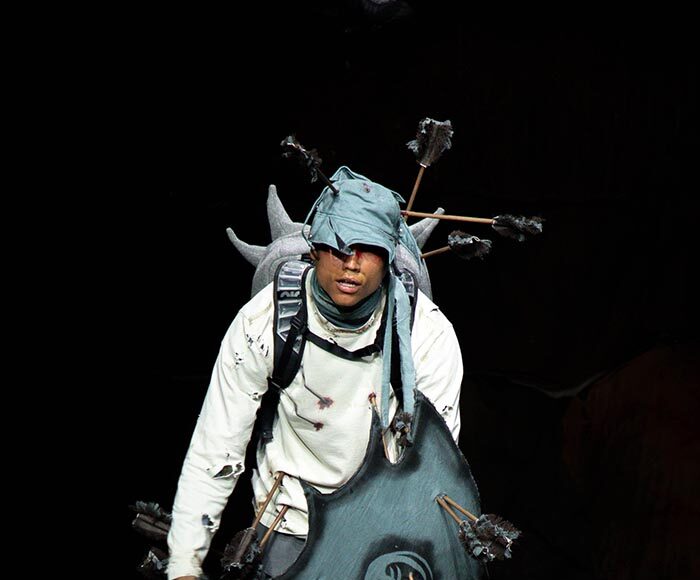
It is both deeply moving and inspiring witnessing people commit themselves entirely to their practice – the discipline and focus it requires, and the sacrifices they make. Martial arts carry that at their core and resonate deeply, almost innately, for those reasons.
My journey into the world of combat started early – Blade, SmackDown! vs. Raw 2005, Enter the Dragon (and the importance of Bruce Lee), briefly trying a boxing gym as a pre-teen, then anime – Berserk, Hunter x Hunter – and later getting into watching MMA, which stayed with me into adulthood. While I spent a lot of my childhood exploring worlds beyond reality, I was lucky to come out of them into something real and tangible – duelling with my brothers, turning cardboard boxes into tables, ladders, and chairs for our makeshift WWE bunk bedroom ring. So even after immersing myself in these limitless worlds (including RPGs, of course – which my OSRS people might recognise in the name of this Chapter), there was always a duality of returning to reality and bringing the fantasy with me. It wasn’t an escape though, my childhood was wicked – but that relationship between imagination and reality – between what’s mythical and what is lived – later led me to explore Afrofuturism as a way of expanding the limits of possibility.
Yaku
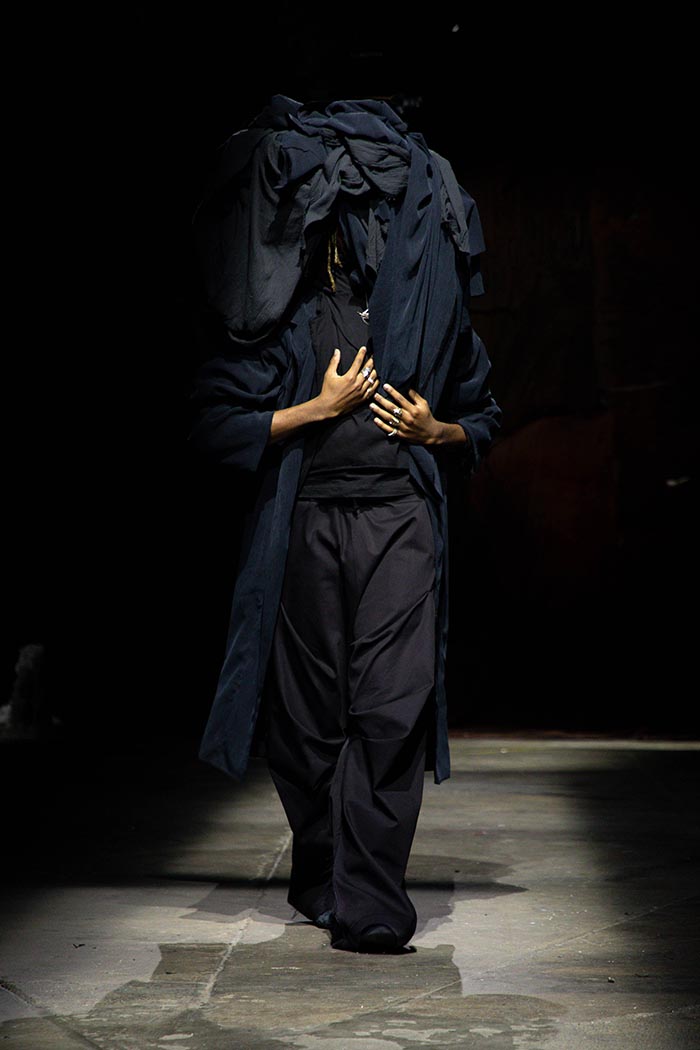
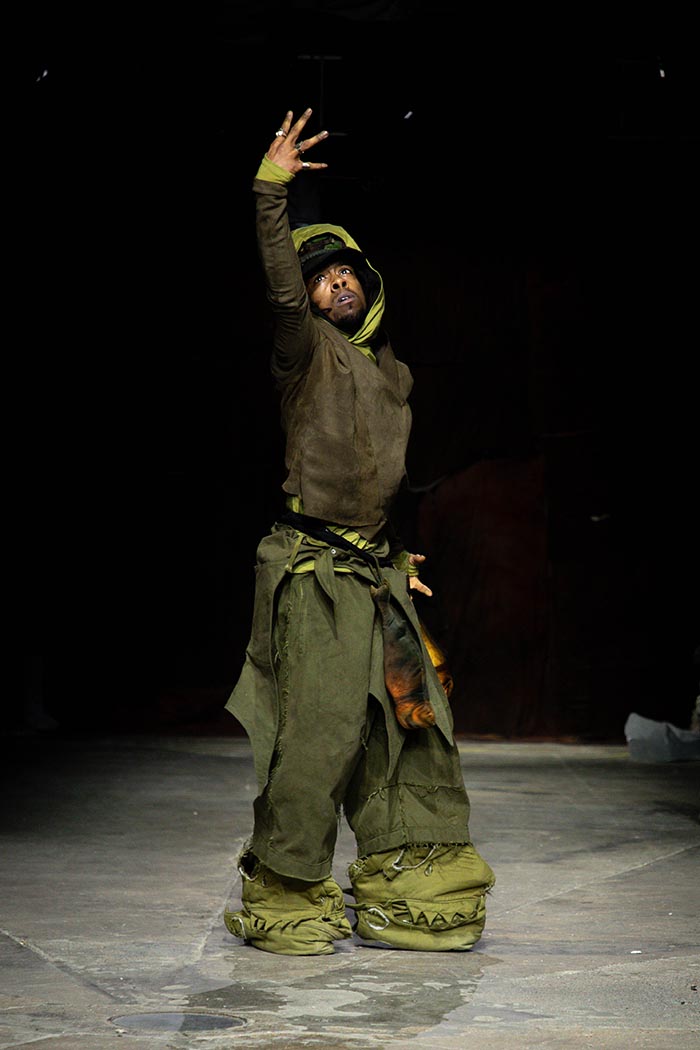
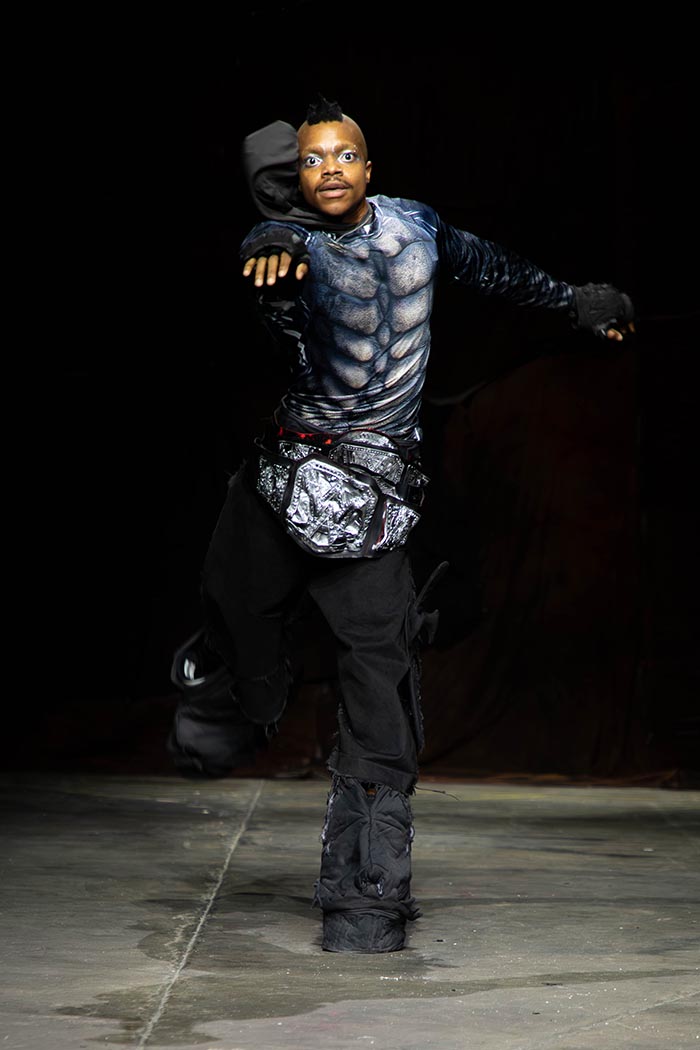
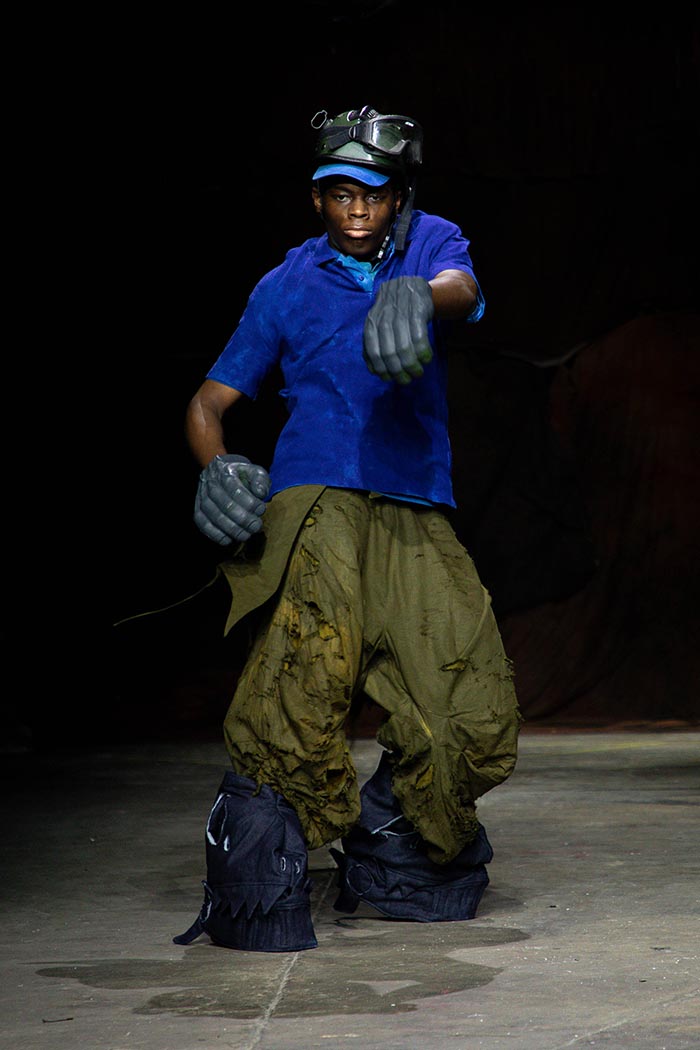
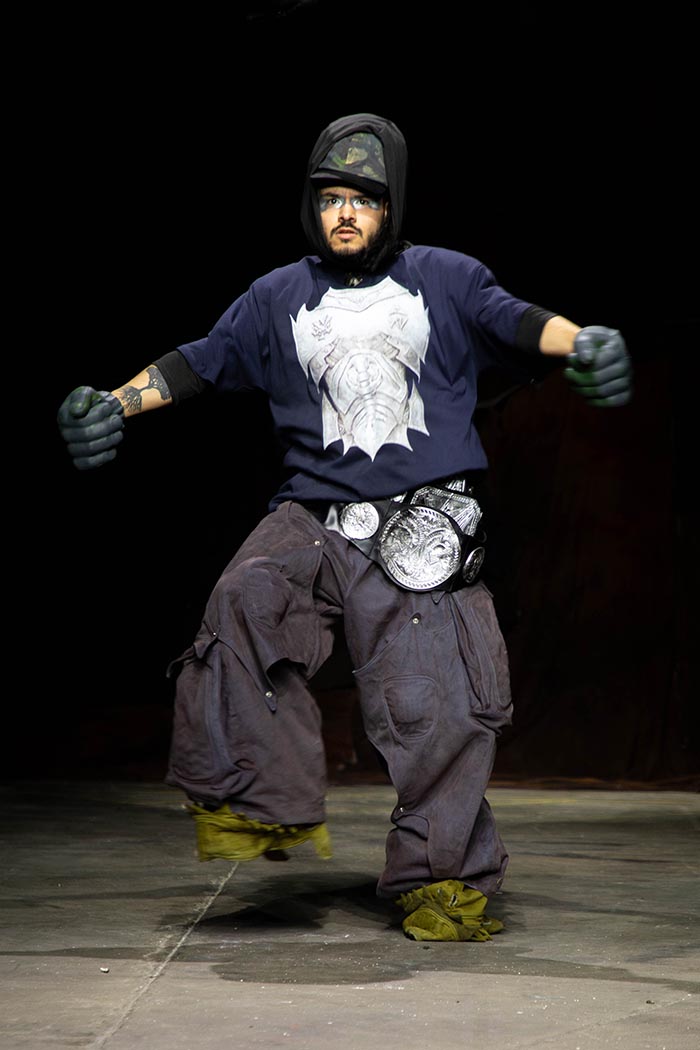
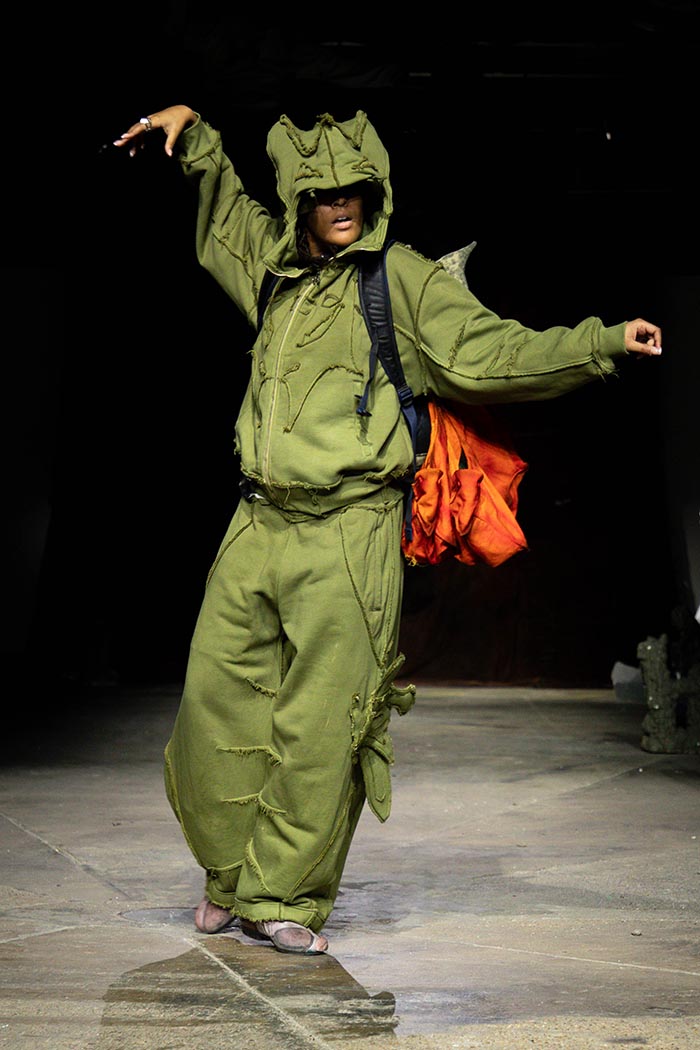
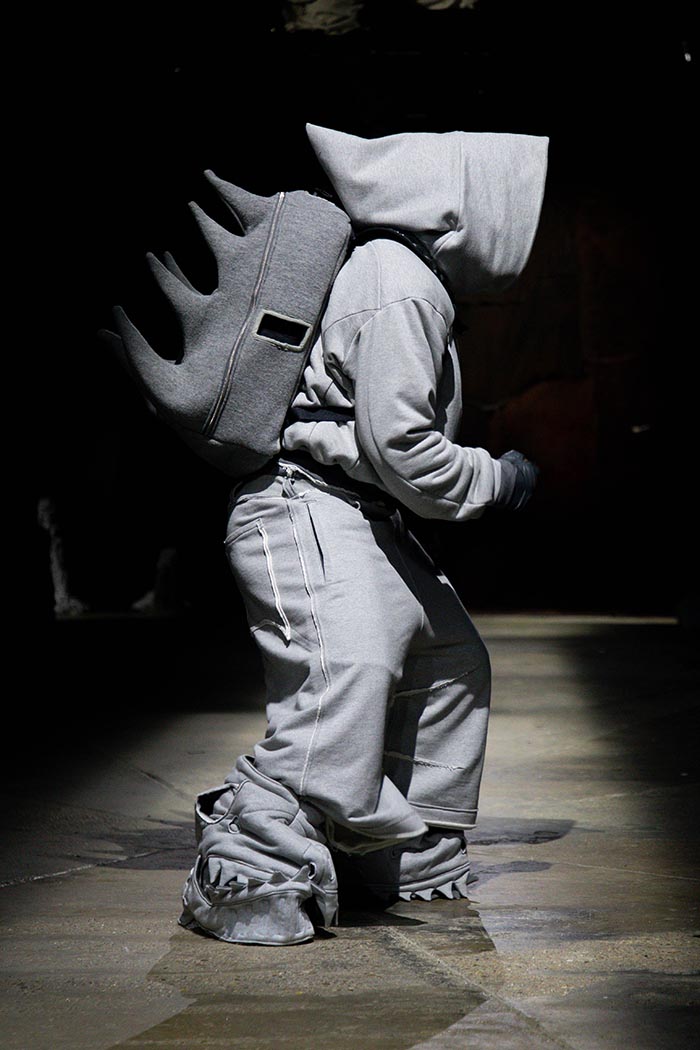
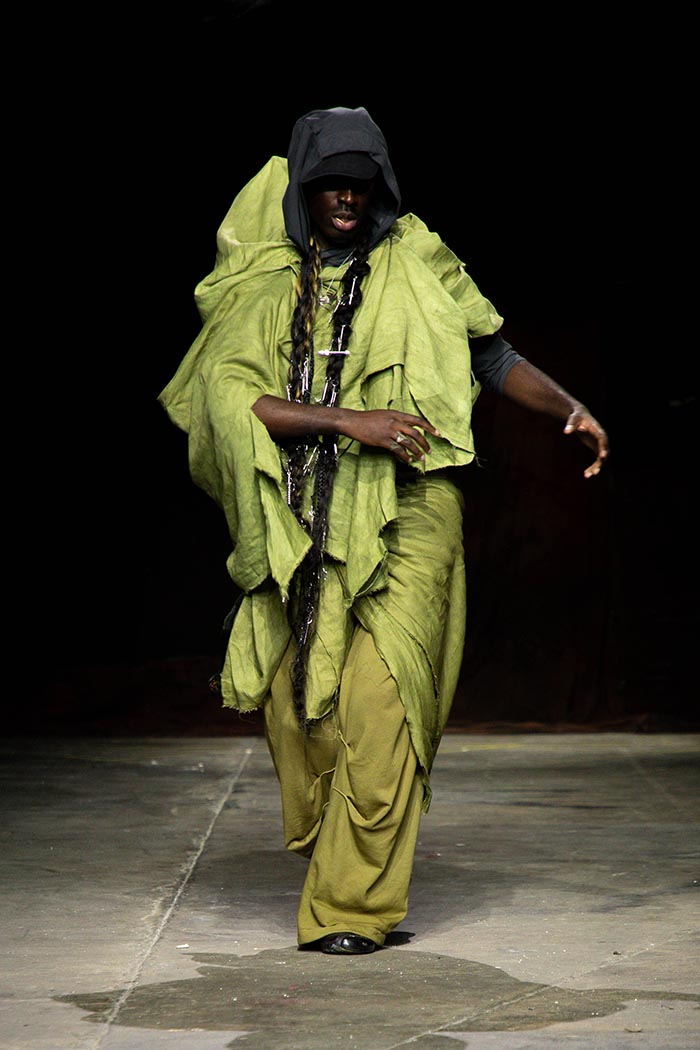
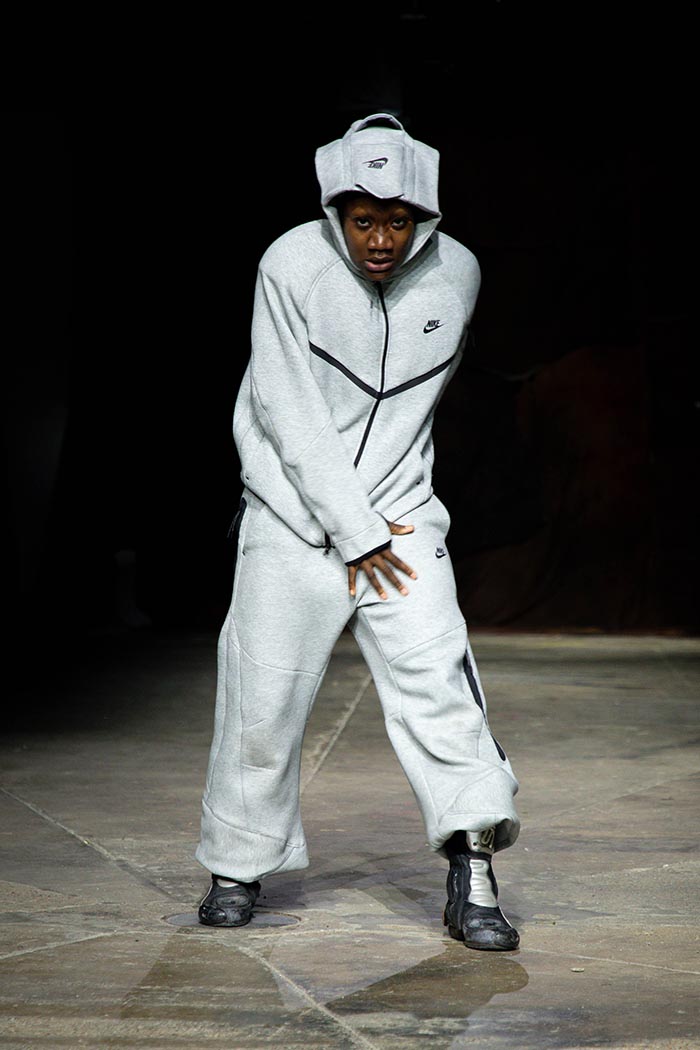
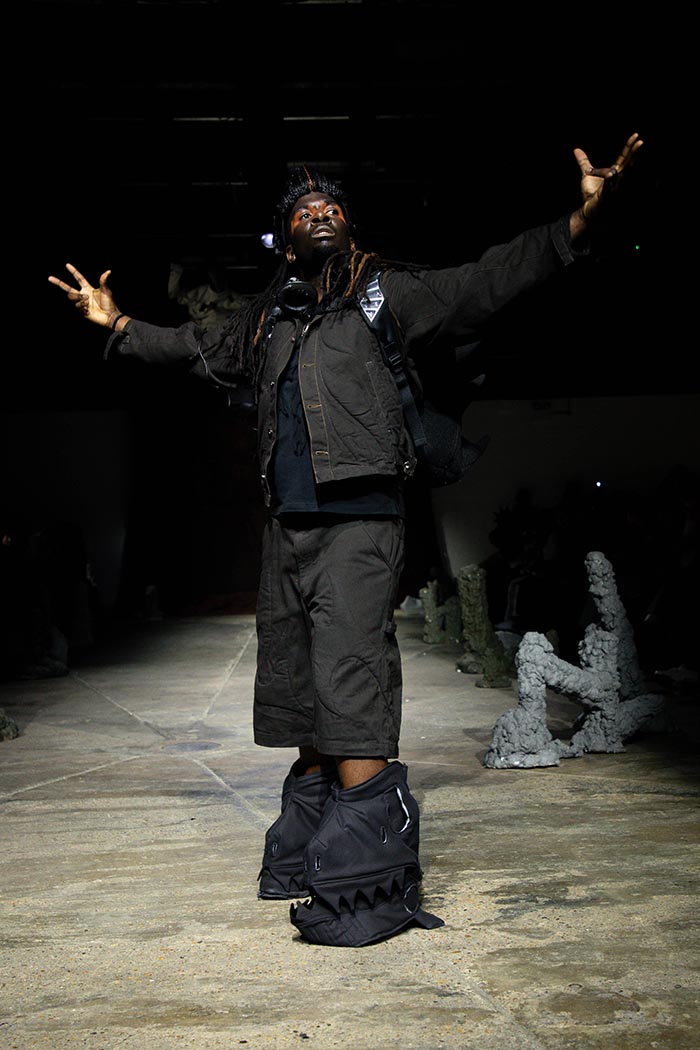
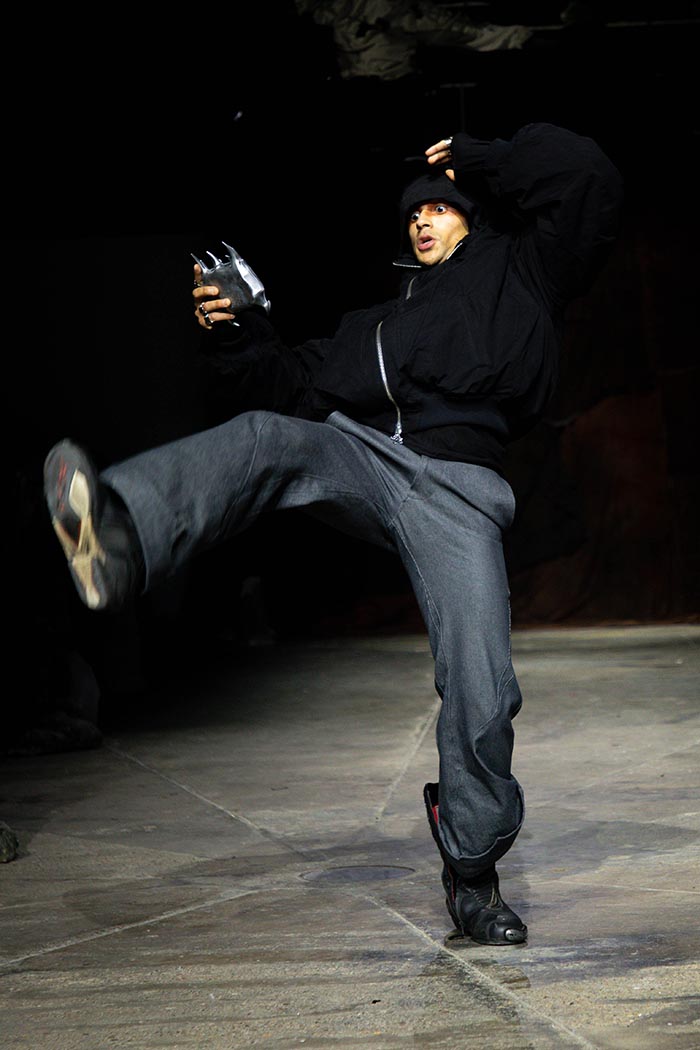
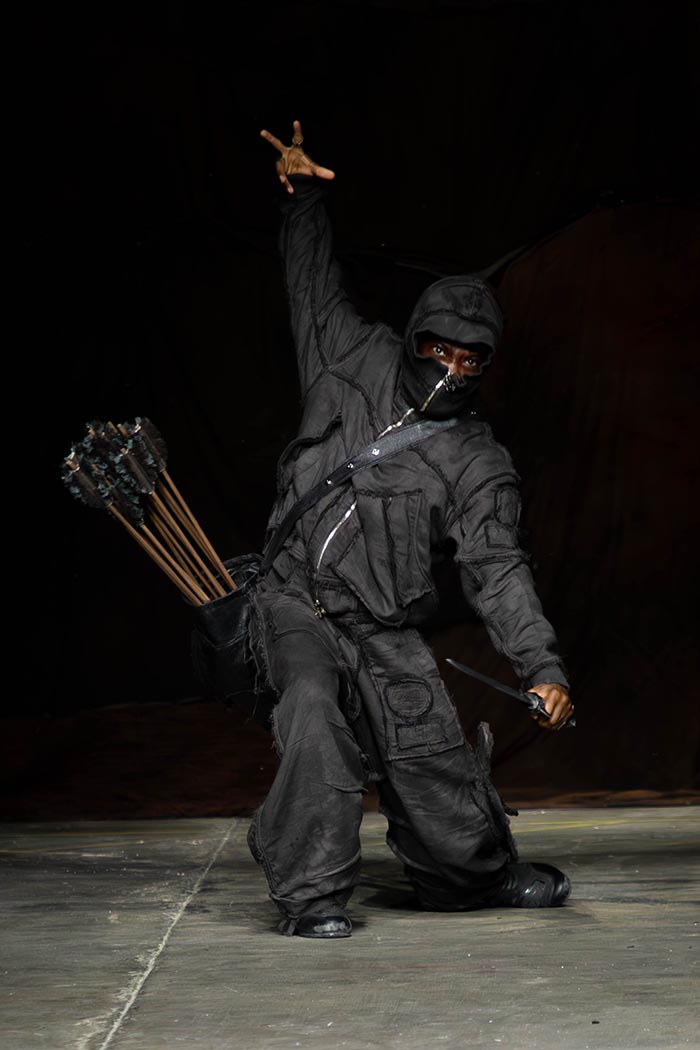
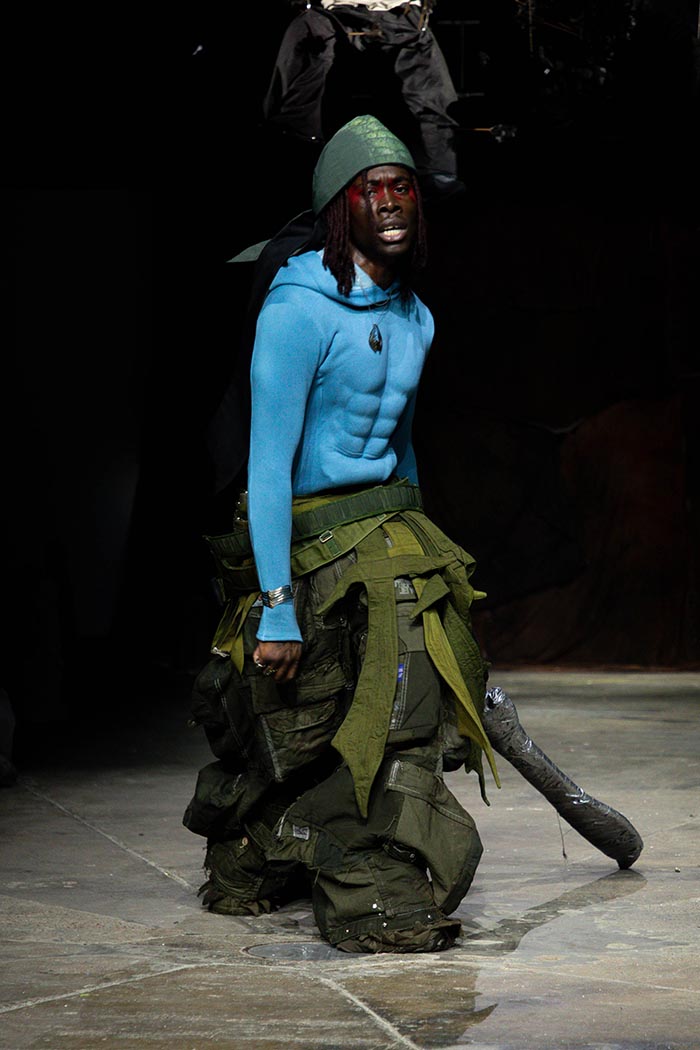
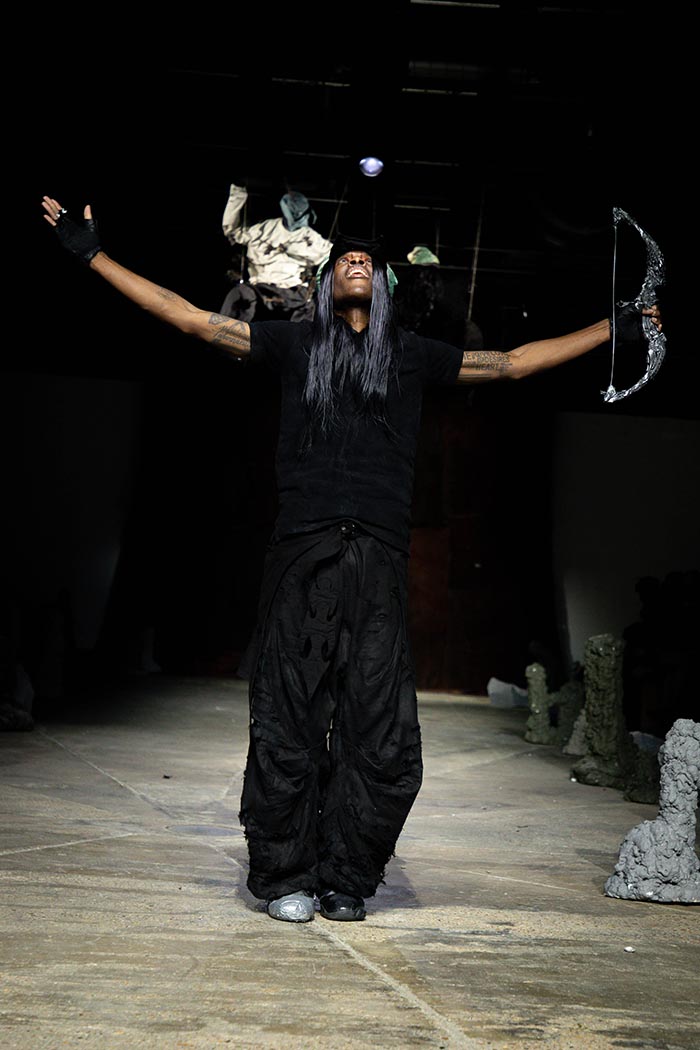
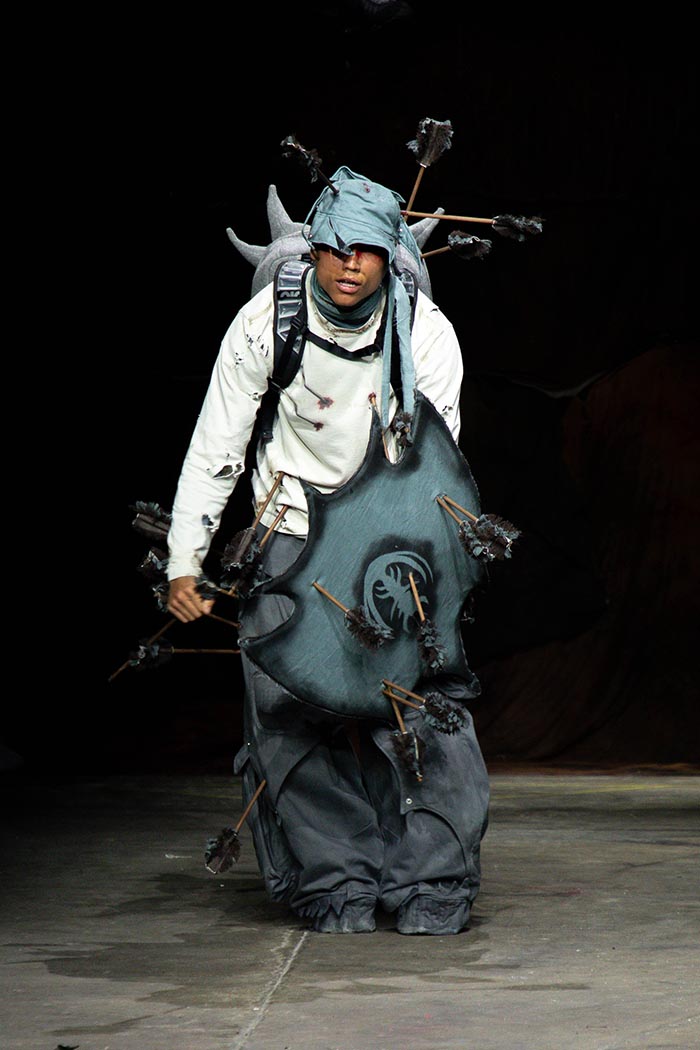
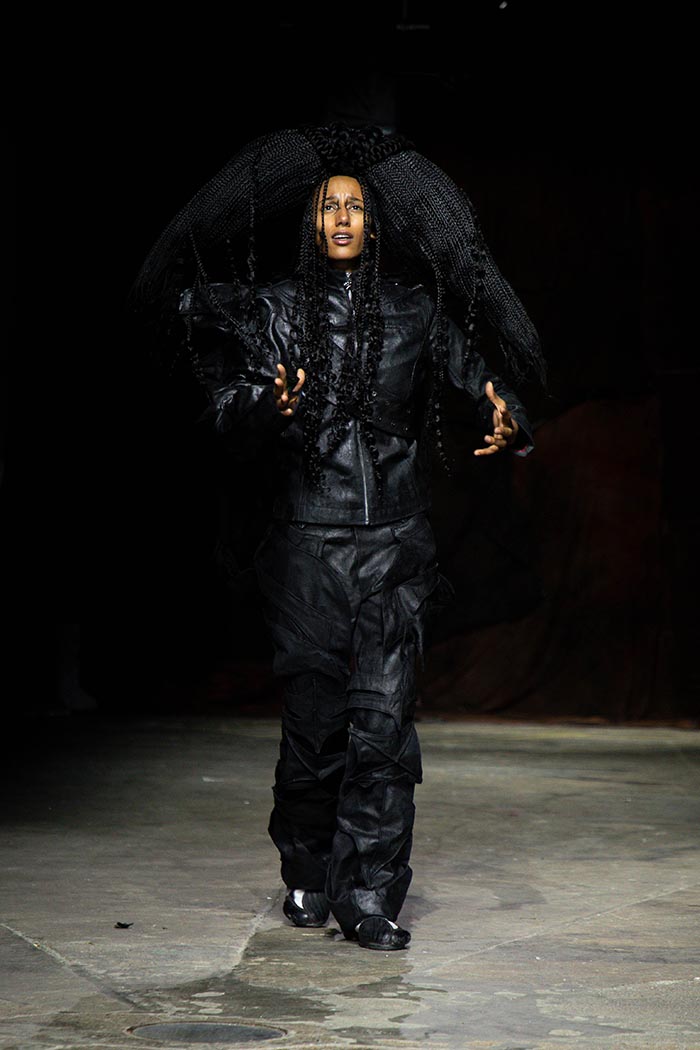
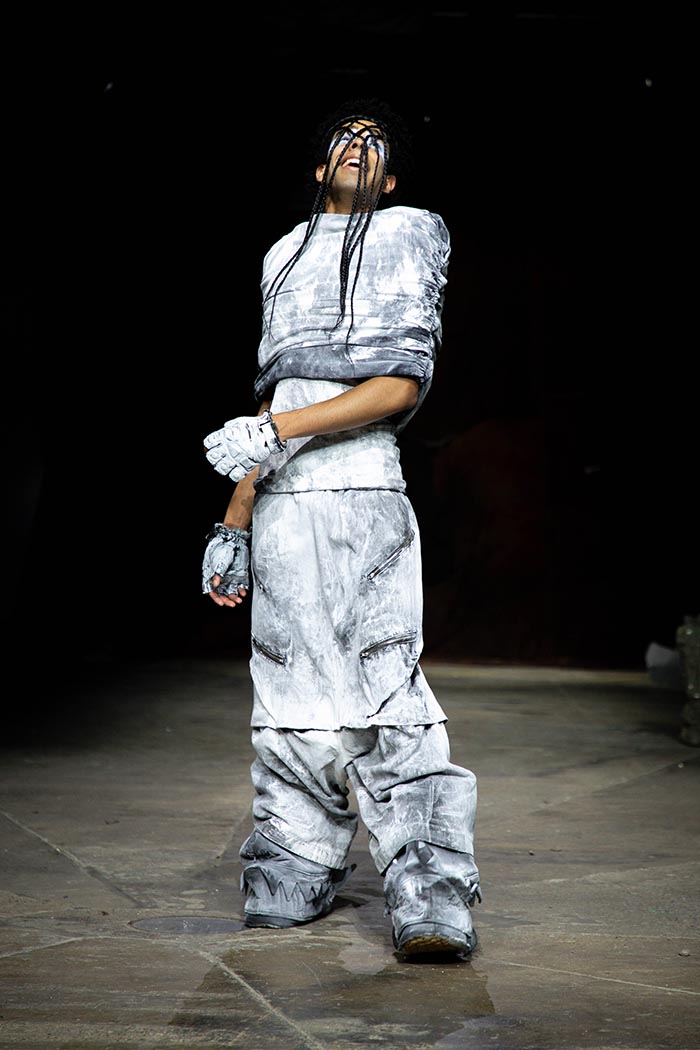
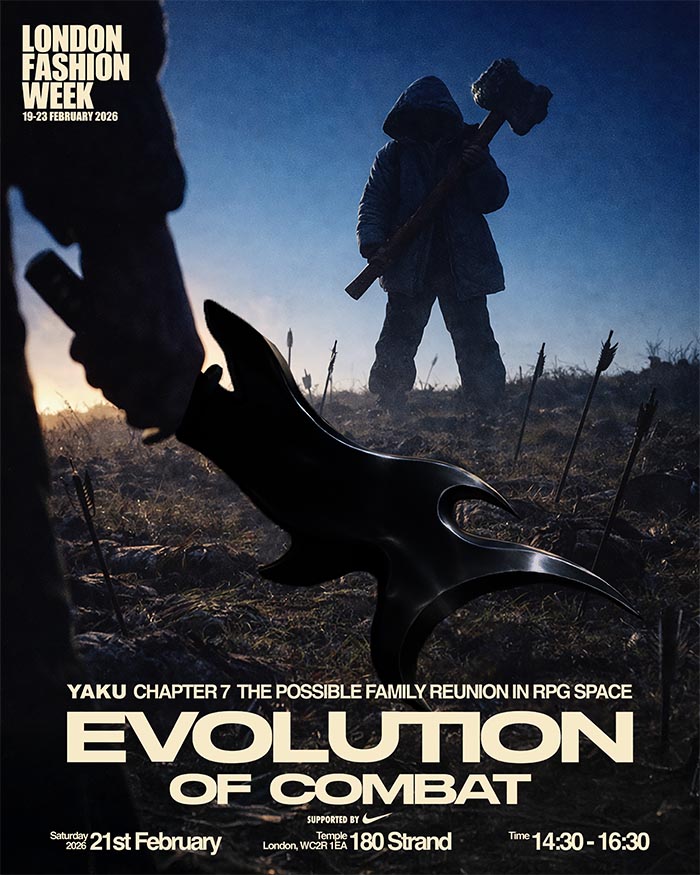
The Possible Family Reunion in RPG Space started through an Afrofuturistic lens, rooted in my younger self’s desire to see myself reflected in the media through positive protagonists. That same desire shaped the brand’s purpose – to expand what feels possible and allow people to imagine beyond the limits of their own lives. But in building a world where our characters can move with true freedom, we’ve realised that limitlessness cannot sensibly produce only positive outcomes. If they are truly free, things can go eternally right – but also eternally wrong. And if those imagined realities are meant to be useful, they can’t only show the good. So now we’re trying to make art that responds to the world rather than simply offering hope – exploring a negotiation with reality alongside the desire to evolve, because hope alone doesn’t drive change.
Where our last season focused on the caregivers of the family learning to engage with their histories, Chapter 7 asks what happens when history is repeatedly ignored by those who have a fundamentally different relationship to growth and survival. The core protagonists of this season are Amir and Nathaniel – brothers and protectors of the Family. While they sit within familiar warrior archetypes, especially in RPG and fantasy worlds, they are complex characters who exist within a thematically heavy environment. It’s only this season that we felt ready to explore their story with the depth it calls for.
In essence, Amir is expressive, energetic, and emotionally driven. Beneath flashes of arrogance sits someone who has had to grow up too quickly, shaped by imbalance in a system that was never built for them. He’s intelligent and deeply textured, yet carries a sense that his choices are already limited. Nathaniel is more structured, shaped by a belief that he must hold responsibility for others. His sense of order is rooted in duty. With greater freedom in front of him, he can become many things, yet his openness draws him toward roles that ask him to hold things together and carry burdens that might not be his.
To evolve their story directly from the previous seasons, we started exploring Amir and Nathaniel by digging into past research into combat, while also challenging the team to reflect on their own heritage of communal training, combat, death, and life after death. For me, that meant continuing my research into the Garifuna and Maroons, alongside discovering that beyond the Asian martial arts that I grew up with, there are martial art styles native to the Caribbean too: Kalinda of Trinidad and Tobago, the Machete of Haiti, and Danmyé of Martinique (similar to capoeira but with significantly less press). Discovering that these rituals of “play” transcend a variety of Black communities – it hit. And that directly fuelled the work by shaping this season’s Télavani (our imagined natives of the land).
The story unfolds across four acts, following the characters as they move through discipline, temptation, confrontation, and consequence. We’re celebrating combat in its most positive form within the Télavani – as discipline, self-improvement, and evolution – while questioning how quickly a shift in motivation, towards power or force, can change everything for the brothers. Because ultimately, the motivation that drives you matters. What do we want and why do we want it? What are we willing to sacrifice? And how do we make sure that ambition moves us forward – rather than away from what we value?
For the majority of this project, we were working with the smallest and most focused team we’ve had yet. Everyone still wears multiple hats, but increasingly people are leaning further into what they do best to compliment each others’ skillsets, stepping further into responsibility to guide others. Working smaller meant working harder, but also smarter. Holding focus for longer to build something more intentional. What that meant for the garments was a shift in approach. Previously, we worked to balance reality and fantasy within each garment, aiming to hit somewhere in the middle. But in doing so, we realised we might have been diluting both. So this season we experimented with separating them, allowing some garments to fully embrace fantasy (see 3D printed spine polos, Ankylo-knight Jacket and Wii swords), while others sit closer to abstraction from the real world (Jawa Hoodie, Télavani Shorts). Presented together, the collection finds its balance as a whole.
A major milestone for this collection is Nike officially entering our world for the first time. We started working on a collaboration with the Nike Re-Creation Program almost three years ago – soon after I showed the “Creature” shoes on my graduate runway. They were Air Forces upcycled with paper from school bins and fabric scraps, back when a collaboration was still something I could only hope for. Now, some of our collaborative pieces appear on the runway ahead of their release in May 2026. Circular practice has long been important to me – first out of necessity, and now as a core ethos, so working with the ReCreation team to transform and reimagine deadstock into something new has felt both natural and surreal. Having the trust from Nike was a dream – you really get confidence when you’re backed and supported from the ground up.
Jewellery became an important extension of the world. Having experimented with 3D printed rings on my BA at Leeds Beckett, finding the right partner to introduce this element was key, and we found that magically in Orlando. He reached out with real passion, an understanding of the world we’re building, and a genuine desire to learn. It became this perfect opportunity to learn with him, and from him. So the jewellery on the runway, alongside the Wii swords and the Metamorphic Gameboy, are developed in collaboration with him.
A huge reference for how we’re presenting this season was the Tsugumo Battles Omodaka scene from Masaki Kobayashi’s Harakiri (1962) – the battle displayed through stillness, through snapshots of the tension and emotion. Set design was led by our own Sookyung Kim, who responded directly to that “snapshot” concept – our characters frozen in time and in action. It’s our most ambitious set to date, and a result of committing to keep building design in-house. While it can be tempting to outsource early on, building internally has allowed us to experiment more freely and find solutions faster – and the gamble is starting to pay off.
The score this season felt like a collage too – we wanted to bring in more contemporary references to expand what a YAKU score can be. Alongside the evolving orchestral language we’ve been developing with Jordan Fox since our first show, we wanted to put the beat in his Beethoven – bring in that grime attitude of DIY chopping and screwing, the rawness of music made for spitting bars or dancing. The first track, Training, feels rooted in footwork and jerk, written by our friend Ollie Berg, whose ear to the streets proved to be the missing piece. The second track, Journey, was written by Jordan and reimagined by JobiFuego (who Bluetoothed me JME’s Food when we first met in Year 8 – the coolest thing ever), creating a UK underground bridge between worlds. The final acts return to Jordan’s greatest strength – the culmination of emotion in classically composed, textured orchestral pieces.
We worked with a primarily dance-led cast this season, as it allowed multiple interpretations of the same characters – the many ways to see Nathaniel, and many ways to read Amir’s intentions. Since the collection captures snapshots of just two characters moving through different stages, this felt like the right approach. Gabi Wolosik helped shape how the story could be told through movement, acting as an interpreter of feeling into motion. Dermot Daly, our much-loved performance director, with whom we’ve been developing our presentation style since our first show, thoughtfully guided the performers in embodying the characters’ emotions in ways that felt personal. The rest was our performer’s magic – each bringing their unique perspective to breathe life into the story. In doing so, they show that it’s not just the path that matters, but the intention behind it.
Thank You
To the British Fashion Council, for providing us with a platform to share our creations. To the Paul Smith Foundation, the Mayor of London, Projekt, British GQ, Paul Smith, Martha Mosse and Jake Pearce, for so generously supporting our development and growth. To Brian Jones and Blonstein Productions, for actively making it possible to turn fantasy into reality. To Christine, Kris, Alexandra, and the Nike ReCreations team, for your belief, guidance, and generosity throughout this journey. To Izzie Kai, Gloria Bikolo and Nike London – we are so very grateful, and so very excited for this journey with you. To Dermot Daly – you fill our hearts with joy and inspiration season after season. To our amazing performers, for shining so brightly, each in your own special way. To Michelle Dacillo and Richard Phillipart, for giving our actors the confidence to shine. To Jordan Fox, whose gift for storytelling through music continues to shape our world. To Ollie Berg and JobiFuego, for helping build the bridges between worlds through sound. To Alfie Castang, Morgan Williams and Oscar Finnie, for capturing the moment. To Beker Studio, where our canvas come alive in colour. To Beata Kubala & Lucy, Ibrahim & Guney Guvec, for helping us transfer our work from the studio and into the hands of the people.
And most of all, thank you to our fantastic design and development team: Rory O’Sullivan, Moty, Ethan Hopkins, Kseniia Zhmetko, Lan Chi Vuong, Orlando Dean and Pablo Soria Alomoto; our digital and set team: Charlize Pfister, Sookyung Kim, Annabella Knott, Gabi Wolosik, Iona Gordon, Louis Shelton and Solene Gillier; and those who helped with the final push: Alex Bäuml, Eddie Bannister, Emmie Withers, Halima Raji, Hyunwoo Kim, Jisu Baek, Kemi Whiting, Meda Mosiejute, Ollie Holden, Rafi Davey, Sol Thal Larsen, Tanniah Aquino, Taymar Robinson, Theo and Mattheus Campos, Thibault Rakotobarison, Tyresse Quire and Woody Castang.
With love,
Yaku and Nas
Performance Director: Dermot Daly
Movement Direction: Gabi Wolosik
Set Design & Development: Sookyung Kim
Training Score: Ollie Berg
Journey Score: Jordan Fox mixed by JobiFuego
Battle Score: Jordan Fox
Finale: Jordan Fox featuring Patrick Shiroishi
Jewellery Designer: Orlando Dean
Make Up: Michelle Dacillo
Hair: Richard Phillipart
Production: Brian Jones & Blonstein Productions
Show Notes Graphic: Louis Shelton and Charlize Pfister
Supported by Nike