

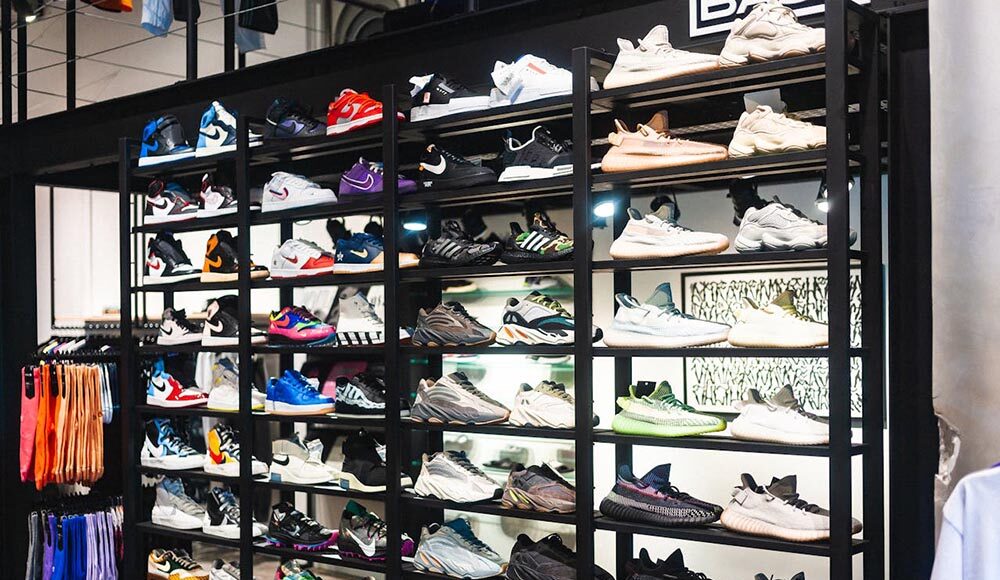
When most people think of sneaker culture, cities like New York, Tokyo, and London come to mind.
But over the past few years, a quieter revolution has been unfolding across the Gulf Cooperation Council (GCC) region. From Dubai to Riyadh, a new generation of fashion-forward consumers is driving demand for authenticated designer sneakers and in doing so, reshaping the global conversation around luxury streetwear.
The numbers tell a compelling story. The Middle East’s luxury goods market is projected to surpass $12 billion by 2026, and streetwear sits at the heart of that growth. Unlike Western markets where sneaker culture matured over decades, the GCC’s adoption has been swift, deliberate, and deeply intertwined with the region’s appetite for exclusivity and authenticity.
Why Authentication Has Become Non-Negotiable
The counterfeit sneaker market is a global problem, but it hits differently in a region where consumers expect nothing short of the genuine article. For buyers spending upwards of $1,000 on a pair of Off-White Jordans or Chrome Hearts-adorned kicks, the assurance that they’re getting exactly what they paid for isn’t a luxury — it’s a baseline expectation.
This demand has given rise to platforms that specialize in verified, authenticated sneakers. Retailers like Mad Kicks, a Dubai-based authenticated sneaker and streetwear destination, have built their entire model around this principle. Every pair is verified for authenticity before it reaches the customer, a process that resonates powerfully with Gulf consumers who value trust and transparency in their luxury purchases.
The authentication model also addresses a logistical reality. With limited official retail presence for many coveted sneaker brands in the region, consumers have historically relied on resellers and grey-market imports. The risk of counterfeits in that ecosystem is significant, and authenticated platforms have stepped in to fill a critical trust gap.
The process itself has become a selling point. Multi-step verification, expert inspections, and detailed condition reports have transformed the buying experience from a gamble into a guarantee. For a consumer in Riyadh ordering a pair of Travis Scott collaborations or a shopper in Kuwait City seeking the latest Balenciaga runners, knowing that every stitch, sole, and label has been professionally vetted provides a level of confidence that traditional resale channels simply cannot match.
Streetwear Meets Gulf Identity
What makes the Middle Eastern sneaker scene distinct is how it blends streetwear’s rebellious roots with the region’s own sense of elevated style. You’ll find consumers pairing limited-edition Nike Dunks with traditional thobes, or styling Chrome Hearts hoodies alongside tailored abayas. It’s a fusion that feels entirely organic — less imitation and more reinvention.
Social media has been a catalyst. Instagram and TikTok have created a visual language for Gulf streetwear that is as distinct as its Japanese or American counterparts. Young Saudi and Emirati creators are building followings around sneaker reviews, fit checks, and unboxing content, creating a regional sneaker community that’s both digitally native and culturally specific. Events like Sole DXB in Dubai have further cemented the city’s status as a gathering point for the region’s sneakerheads, blending music, art, and fashion into a cultural moment that transcends footwear.
Brands have taken notice. Collections from the likes of Chrome Hearts, Off-White, and Balenciaga consistently sell through quickly in the GCC, often outpacing demand in more established markets. The appetite for exclusive, hard-to-find pieces is enormous and it shows no signs of slowing.
The Bigger Picture: Luxury, Trust, and the Next Generation
The rise of authenticated sneaker retail in the Gulf is part of a larger shift in how the region engages with fashion. A younger demographic, many under 30 — is driving purchasing decisions, and their priorities look different from previous generations. They want brands that align with their values: authenticity, exclusivity, and a seamless digital experience.
E-commerce adoption in the GCC has accelerated dramatically, with the UAE and Saudi Arabia leading the charge. Platforms that combine curated product selections with rigorous authentication processes are particularly well-positioned. The model works because it answers two questions simultaneously: “Is it real?” and “Is it worth it?” For a generation accustomed to instant gratification and seamless digital experiences, the combination of verified products and efficient delivery has proven irresistible.
Dubai, in particular, has emerged as the region’s streetwear hub. Its position as a global crossroads connecting East and West, traditional and contemporary makes it a natural home for this cultural convergence. Retailers operating out of the city, such as authenticated designer sneaker platforms, benefit from Dubai’s infrastructure, its international consumer base, and its growing reputation as a fashion capital in its own right.
What’s Next for Middle Eastern Sneaker Culture?
The trajectory is clear. As global sneaker brands expand their official presence in the Gulf and regional platforms continue to professionalize, the Middle East is moving from a secondary market to a primary one. Pop-up events, sneaker conventions, and brand collaborations tailored to GCC audiences are becoming more frequent, signaling that the industry recognizes the region’s commercial and cultural importance.
There are also signs that the influence is becoming bidirectional. Gulf-based sneaker communities are beginning to shape global trends rather than simply following them. Regional styling conventions, colorway preferences, and even sizing demands are filtering back into brand strategies. The Middle Eastern consumer is no longer an afterthought; they are a core part of the product development conversation.
For the global fashion industry, the takeaway is simple: the Gulf isn’t just consuming sneaker culture, it’s shaping it. The insistence on authentication, the fusion of streetwear with regional identity, and the sheer purchasing power of young Gulf consumers are forces that the rest of the world will increasingly need to reckon with.
What began as a niche movement is now an unmistakable trend. And for those paying attention, the message from the Middle East is loud and clear: when it comes to sneakers, authenticity isn’t just preferred, it’s everything.



