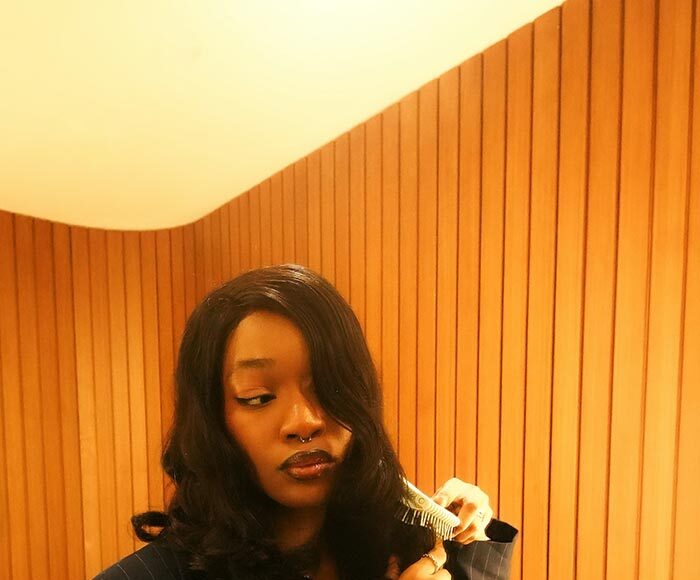
Fashion has a way of making people feel invisible if they do not fit a specific mold.
Walking through a store or scrolling through a feed often presents a single version of beauty. This narrow view creates a standard that few can reach. When the goal is an unattainable body type, the search for style turns into a struggle with self-worth. It is not just about clothes anymore. It is about how we see ourselves in the world.
The Financial Side of Insecurity
The pressure to look a certain way carries a heavy price tag. Many people find themselves spending thousands of dollars to fix perceived flaws. One university report found that Americans spend roughly $806 billion every year on cosmetics and personal care. This spending happens since a multi-billion-dollar economy relies on people feeling insecure about their size. It turns out that looking “perfect” is a business strategy.
Companies market products by highlighting what they think is wrong with your body. They suggest that a new cream or a specific cut of jeans will solve your problems. These messages target the parts of us that feel the most vulnerable. Buying into these trends rarely brings the happiness that the ads promise. It usually leads to a cycle of needing the next big thing to feel okay.
The Impact of Constant Connection
Phones keep us tied to images that are rarely real. These photos are often altered to remove every blemish or curve. Recent data shows that 68% of young adults see filtered body images on social media frequently. Seeing these pictures every day makes people feel worse about their own bodies. It creates a cycle where the real world feels disappointing compared to the screen.
The speed of social media means we are hit with these images thousands of times a week. We compare our real lives to someone else’s highlight reel. This comparison is unfair and harmful to our mental health. It makes it hard to appreciate the body that carries us through the day. We end up chasing a version of ourselves that does not exist in reality.
Finding A Healthy Path Forward
Recovery is a long process that requires the right tools and community. Seeking out support for eating disorder recovery helps individuals navigate the complex emotions tied to body image. Professional guidance assists people as they unlearn the harmful habits forced on them by the media. This journey involves more than just eating habits. It focuses on rebuilding a healthy relationship with the mirror.
Learning to trust your body again is a major part of the healing process. It involves listening to what your body needs rather than what a magazine says. You can start by making small changes in how you talk to yourself. Replacing negative thoughts with kinder words makes a big difference over time. Finding a community that understands your struggle provides a sense of safety.
Root Causes and Daily Usage
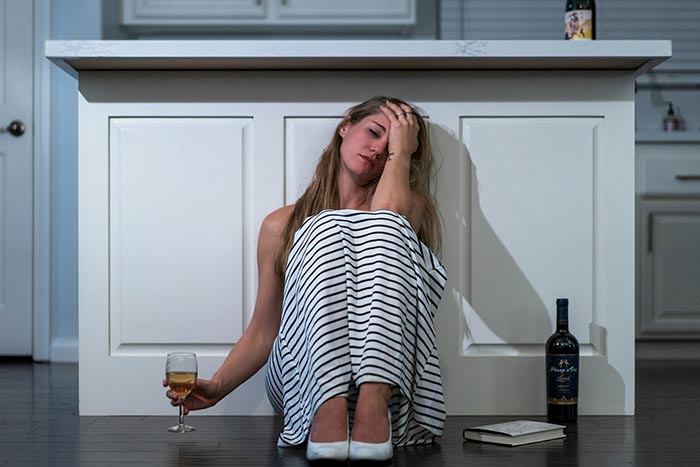
Mental health issues do not appear out of thin air. They are often the result of many different pressures hitting at once. Researchers identified five key themes that contribute to disordered eating, including family and social media influence. These factors work together to shape how a person views food and their body. Understanding these triggers is the first step toward healing.
Social media usage plays a massive role in this crisis, too. Women tend to use these platforms at a slightly higher rate than men. A public health study found that this frequent usage correlates with a rise in eating disorder cases. The constant stream of “fitspo” content can be dangerous for those already feeling low. It turns out that the apps we use for fun can have serious consequences.
Perception and the Social Media Loop
Our brains are easily influenced by what we see the most. If we only see thin bodies, our internal “normal” shifts. A medical journal explained that exposure to thin bodies makes people more likely to judge others based on size. This effect influences both preferences and prejudices. Surrounding ourselves with diverse body types can help reset this internal scale.
TikTok is another platform where beauty standards are pushed to the extreme. Even a few minutes of watching beauty content can trigger a negative reaction. A psychology article mentioned that brief exposure leads to higher levels of appearance shame and anxiety. These feelings can linger long after the app is closed. It is a reminder to be careful about the media we consume.
Changing the way we look at fashion takes time and effort. It starts with realizing that your worth is not tied to a size tag. We can choose to follow accounts that make us feel good instead of those that make us feel lacking. Small shifts in our daily habits can lead to a much larger impact on our mental health. Beauty should be something that brings joy, not a source of pain. We have the power to redefine what is stylish for ourselves.