

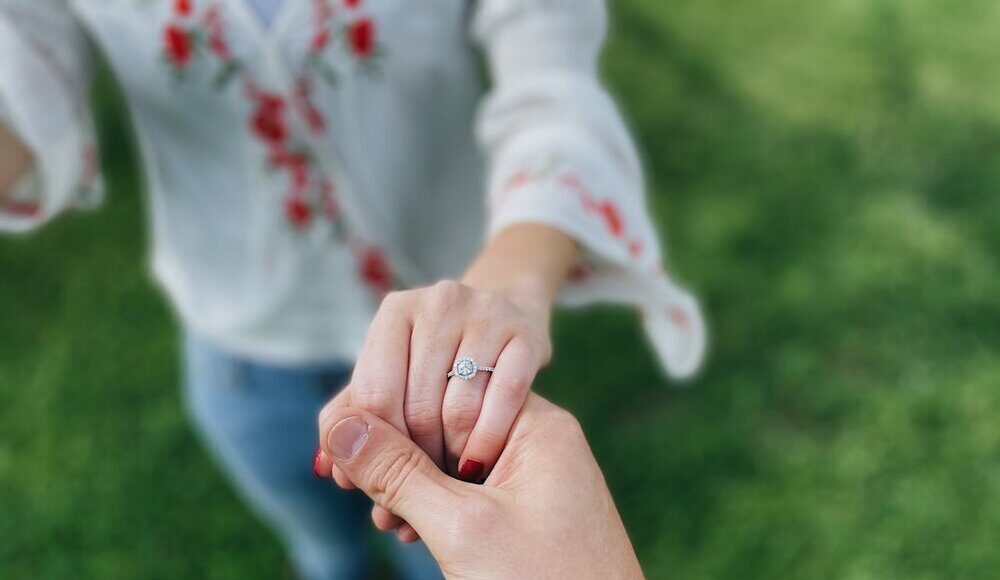
Planning a proposal is exciting, but getting every detail right can feel overwhelming, especially when you’re trying to coordinate the perfect ring with the perfect moment.
Understanding how your proposal setting influences ring selection can help you make choices that create a cohesive, memorable experience. So, what role does the proposal setting play in choosing an engagement ring?
The proposal setting can significantly influence practical ring choices like durability, visibility, and style compatibility. For example, beach proposals may require more secure settings to prevent sand damage, while romantic restaurant proposals might call for rings that sparkle beautifully in candlelight.
The connection between your proposal location and ring choice goes deeper than you might think, and there are several scenarios where the setting could completely change which ring features matter most—from outdoor adventures requiring specific metal choices to intimate settings where certain diamond cuts will photograph better than others.
How Does an Outdoor Proposal Setting Affect Ring Choices?
Outdoor proposals—whether on a mountaintop, beach, or garden—present unique considerations that directly impact which ring features work best.
For beach or waterfront proposals, consider settings that protect the stone securely, like bezel or tension settings, since sand and water can work their way into prong settings. Platinum or white gold are better choices for saltwater environments compared to yellow gold. If you’re planning an active outdoor proposal during a hike or camping trip, a lower profile setting will be less likely to catch on clothing or gear.
Weather conditions also matter. Bright sunlight makes certain diamond cuts, like round brilliant or cushion cuts, more visible. For sunset or evening proposals, a ring with a larger surface area will catch available ambient light better. Wintry weather can cause fingers to shrink slightly, so consider sizing up a half size for winter proposals.
What Ring Features Shine Best in Indoor Romantic Settings?
Indoor proposals at restaurants, homes, or venues with controlled lighting create different opportunities for displaying your ring’s best features.
Candlelit or dim restaurant settings Favor diamonds with excellent cut grades that capture and reflect minimal light sources. Round brilliant and radiant cuts maximize light return, making them appear more luminous in low-light conditions. At upscale restaurants with warm ambient lighting, warmer diamond colours (like G or H grades) can appear whiter than cooler-toned stones.
For home proposals where you control the environment, you can plan lighting around the ring’s features. Emerald and Asscher cuts create stunning “hall of mirrors” effects best appreciated in moderate, even lighting. If you’re planning to have a photographer present, higher settings and intricate details show up better in well-lit indoor spaces.
Should You Match the Ring Style to Your Proposal Location’s Aesthetic?
The aesthetic harmony between your ring choice and proposal setting can elevate the entire experience, creating a cohesive story that feels intentional and personalized. While it is not a strict requirement, considering style compatibility can make the moment feel even more special.
A vintage-inspired ring with intricate detailing might feel perfectly at home during a proposal at a historic mansion, botanical garden, or classic European-style venue. Similarly, a sleek, modern solitaire with clean lines could complement an urban rooftop proposal or contemporary art museum setting. Beach proposals often pair beautifully with aquamarine accent stones or wave-inspired bands, while mountain or forest proposals might suit rings with organic, nature-inspired designs.
That said, the engagement ring should ultimately reflect your partner’s personal style above all else, even if it doesn’t perfectly match the proposal location’s aesthetic. Think of the setting as an enhancement rather than a determinant. The key is finding a balance where the proposal setting highlights the ring effectively while the ring itself remains true to what your partner will love wearing every day.
How Do Adventure Proposals Require Different Ring Considerations?
Adventure proposals—think skydiving, scuba diving, hot air balloons, or rock climbing—are becoming increasingly popular for couples who share a love of adrenaline and unique experiences. These high-energy settings demand specific ring features that prioritize security and practicality.
For proposals involving water activities, many people opt for a temporary ring or placeholder for the actual proposal moment, then present the real engagement ring later in a safer environment. If you want the actual ring present, consider a ring sizer or adjuster since fingers can swell or shrink depending on water temperature and altitude.
The ring should have a secure setting if your partner will wear it immediately during adventure activities. Bezel settings, where metal completely surrounds the diamond, offer maximum stone security. Avoid delicate pavé bands or intricate prong settings that could catch on equipment or get damaged. Channel-set diamonds, where stones are set into a groove in the band, also provide good protection.
Does A Public Versus Private Proposal Change the Ring You Should Choose?
The level of privacy or publicity in your proposal setting can influence the features that will make the biggest impact at that moment.
Public proposals—whether at a sports stadium, busy tourist landmark, or crowded restaurant—often involve an audience and photos or videos. In these settings, rings with more visual impact tend to stand out: larger centre stones, halo settings that add size and sparkle, or unique shapes like pear or marquise cuts. The ring will be shown off to nearby well-wishers immediately, so ifw your partner enjoys attention, a ring that photographs well and makes a statement might align with their personality.
Private proposals—at home, during a quiet walk, or at a meaningful personal location—allow for more intimate ring appreciation. In these settings, you can choose rings with subtle details that reveal themselves over time: intricate under-gallery work, hidden gemstones, personalized engravings, or unique design elements requiring closer inspection. Private settings also give you more flexibility with timing—you can propose first and go ring shopping together afterward if your partner wants to be involved in the selection process.
Match Your Ring Selection to Your Proposal Environment
Consider your planned proposal venue and document the key environmental elements—available lighting conditions, expected weather, degree of physical activity, and whether you will be surrounded by others or alone. Share these specific details with your jeweller during consultations to identify which ring characteristics will perform best and create the most memorable impact. The ideal engagement ring harmonizes your partner’s aesthetic preferences with the environmental realities of your chosen proposal location, ensuring a genuinely unforgettable experience tailored to your relationship.