

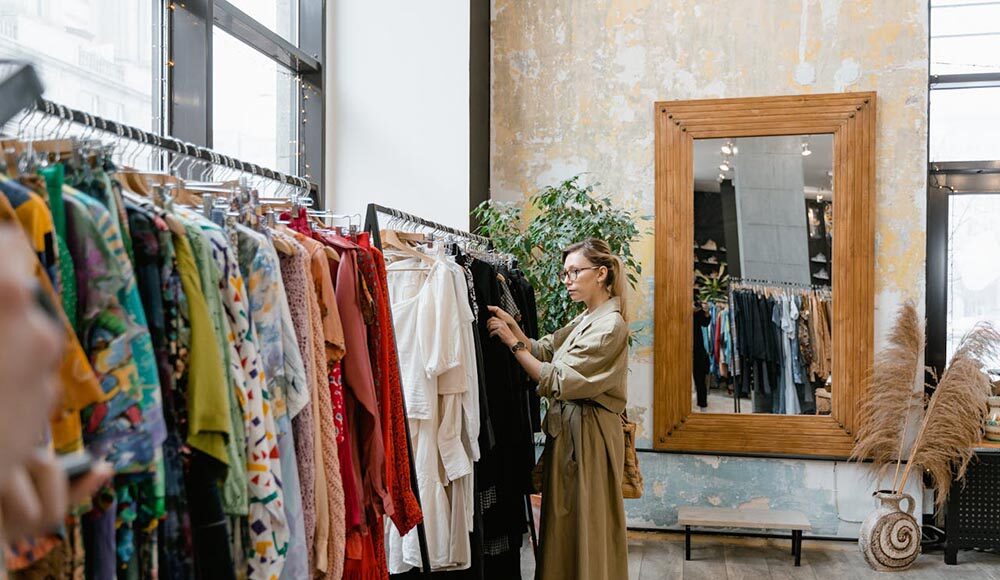
Rebuilding a wardrobe often sounds expensive before it even begins. The phrase itself feels like a financial reset button, conjuring images of trend-chasing sprees and overflowing shopping carts.
In reality, learning how to build a new wardrobe on a budget has far less to do with buying more and far more to do with buying better.
The process starts with a mindset shift when you dress for seasons, not trends. Most women overspend not because they lack taste, but because they shop without a system. Once you learn how to truly save money on clothes, you stop buying for isolated moments and start building a wardrobe with purpose.
The strongest wardrobes are built thoughtfully, over time, with pieces that earn their place across multiple seasons.
Why Seasonal Thinking Matters More Than Trends
Chasing what’s new is the most common mistake women make when rebuilding a wardrobe. Trends move quickly and demand constant updates, while seasons move predictably. This predictability is where budget-conscious style thrives and lets you build a capsule wardrobe.
Each season comes with different practical needs, yet many pieces overlap when chosen wisely. Lightweight knits aren’t limited to spring. Structured blazers don’t belong only to fall. When silhouettes and fabrics are versatile, they adapt seamlessly.
Thinking seasonally prevents purchases that work for a few weeks before disappearing into storage. This is why the most stylish women don’t shop reactively. They build wardrobes intentionally, prioritizing longevity, cohesion, and versatility.
A wardrobe designed around seasonal logic naturally avoids waste. Instead of asking whether something is “on trend,” the better question becomes whether it will still work next season.
Trends are loud. Seasons are logical.
Understand Fabric Choices before You Buy the Price Tag
One of the most overlooked aspects of budget-friendly fashion is fabric literacy. Price tags alone don’t determine value; materials do. Natural fibers, heavier weaves, and thoughtful blends tend to age better across seasons. You can still wear ultra-thin synthetic designs, but they are trendy, not seasonal.
Fabric weight and structure also play a major role in how a garment wears over time. A lined dress holds its shape longer. A tightly woven knit resists stretching. Even blended fabrics, when designed well, can outperform cheaper single-fiber options.
This is where cost-per-wear becomes more than a budgeting concept.
When you understand fabrics, you shop with confidence rather than hesitation. Pieces stop feeling disposable and start feeling intentional, which is essential when building a wardrobe meant to last year-round.
Build a Seasonless Core That Anchors Every Outfit
Every well-edited wardrobe begins with a strong, seasonless core. These are the pieces that don’t demand attention yet quietly anchor every outfit. Tailored trousers, neutral dresses, elevated basics, and quality denim consistently outperform trend-heavy statement items. These not only offer versatility but also add longevity to wardrobes.
The fabric, cut, and construction matter more than the brand logo.
Women who dress well on a budget learn to spot these details instinctively. A clean seam finish, a structured drape, or a slightly heavier knit often signals durability and repeat wear.
Building this foundation first changes how you shop moving forward. When your base is solid, seasonal additions become accents rather than replacements. This is where wardrobes begin to feel intentional instead of cluttered.
Transitional Dressing Is the Smartest Style Investment
If stylists had to choose one category to prioritize, transitional pieces would top the list. These are the garments that move effortlessly between seasons, reducing the need for constant replacement.
Midi dresses that layer easily, lightweight coats that work from early fall through spring, and knitwear that breathes while maintaining structure all fall into this category. Transitional dressing allows the same pieces to evolve throughout the year rather than being boxed into a single season.
Many women underestimate how flexible their existing wardrobes already are.
A dress worn with sandals in summer takes on a completely different identity with boots and a coat in autumn. This approach minimizes the need for separate seasonal wardrobes. Styling, not spending, does the heavy lifting when it comes to fashionable clothing.
How to Choose Affordable Brands without Sacrificing Longevity
Affordable fashion has expanded rapidly, but not all budget-friendly brands serve a long-term wardrobe strategy. Some prioritize rapid trend cycles and thin fabrics that look good briefly but wear out quickly. Others focus on consistent design language, dependable fits, and materials that hold up over time.
The difference lies in brand philosophy.
Labels that repeat strong silhouettes season after season make wardrobe building easier. Their collections integrate naturally rather than competing for attention. This consistency reduces impulse buying and creates cohesion without extra effort.
I prefer top women’s clothing stores that focus on wearable design rather than constant novelty. This helps me narrow down choices and reduces return fatigue. When you shop fewer, more reliable brands, your wardrobe naturally becomes more cohesive.
As Vivienne Westwood famously advised: buy less, choose well, and make it last.
Why Fewer Brands Lead to Better Style Decisions
Limiting the number of brands you shop from may seem restrictive, but it often leads to better outcomes. Familiarity with sizing, fabric quality, and design approach removes uncertainty from the buying process.
You need to understand how different brands cut their garments and which pieces work best for your lifestyle. This will make your shopping more intentional rather than experimental. Fewer brands mean fewer mistakes, fewer unworn items, and far less closet clutter. Over time, this approach saves both money and mental energy.
Online Shopping Works Best With Clear Style Boundaries
Online shopping is both a blessing and a budget risk. Endless scrolling creates the illusion of choice, but it often leads to unnecessary purchases. The secret to building a wardrobe online is buying items with clarity.
Curious online shoppers approach browsing with clear boundaries. They understand which silhouettes flatter them, which fabrics suit their daily routines, and which categories actually need replenishing. Rather than chasing every new drop, they return to trusted stores and familiar fits.
This discipline transforms online shopping into curation rather than consumption. A fresh, new wardrobe doesn’t come from owning everything, but from owning the right things.
How One Dress Can Work Across All Four Seasons
A four-season wardrobe doesn’t mean four versions of every item. It means layering with intention. I wear shirts under knits, dresses over boots, and have jackets that function both indoors and outdoors. These combinations help me extend wearability without expanding closets.
If you ask me, the right fashion accessories also play a powerful role. Shoes, belts, and bags subtly shift an outfit’s mood without requiring entirely new looks. This is where personal style emerges, even on a budget. The most stylish wardrobes feel flexible, not crowded.
Edit Your Wardrobe to Improve Style Value
When it comes to building a new wardrobe, buying smarter is only half the equation. Editing is where real wardrobe value appears over time. Regularly reassessing what you own keeps your style aligned with your life.
Smart fashion stylists prefer releasing clothes that no longer fit, flatter, or function. I often tailor or repair existing fabrics to give them a new feel again. This process prevents duplicate purchases and highlights true gaps.
Women who edit their wardrobes shop less and dress better.
Accessible Luxury Starts With Intentional Choices
Luxury today isn’t about excess. It’s about intention. Learning how to build a new wardrobe on a budget is less about restriction and more about refinement. When each piece has a purpose, getting dressed becomes easier, and shopping becomes more selective. A thoughtfully built wardrobe always looks considered and expensive