


Designing a personal handbag is a complex process that involves imagination, technical know-how, and professional skills.
Whether you are a business, startup, or fashion brand interested in creating bespoke bags, it is always good to know every step of the production process to create a quality bag that works and can always reflect your brand. This guide shows the process of a custom handbag manufacture, starting with an initial design and going through the final production.
Introduction to Custom Handbag Manufacturing
A Custom handbag is created and manufactured on the basis of a particular demand as per the style, dimension, material, branding, and functionality. Custom handbags are unlike mass-produced bags, as they enable the brand to design distinct products to conform to their identity and their market.
Partnering with a professional bag maker will be a guarantee that the design ideas can be converted into high-quality finished goods. Such manufacturers are focused on the production of custom bags that are both aesthetically and performance-oriented.
Step 1: Custom Handbag Design and Concept Development
The design concept is the first thing in designing a custom handbag, and it is the basis of the whole manufacturing process. This is the point at which designers take into consideration the intended use of the handbag, be it fashion, daily use, traveling or promotion purposes.
It is also necessary to comprehend the target audience and where the bag is going to be placed in the market because that would determine the style, functionality and the general popularity of the bag. The preferences in the style of the bag, i.e., tote, shoulder bag, cross-body, or backpack, the size, framework, and utility are also thoroughly considered to be able to match the aesthetic and practical needs.Explore the latest fashion trends.
Designs are usually done using hand sketches or computer-generated drawings, which are used to express the ideas and act as a blueprint to the production. The initial phase provides scope to refine and make changes; the end product is not only attractive but also ready to be produced.
Step 2: Material Selection for Custom Bags
The choice of material plays an important role in defining the quality, durability, and the general look of a custom handbag. Production costs and schedules are also influenced by the material used; hence it is a critical factor to be considered during the design process. The typical alternatives to the handbags are genuine leather bags, vegan leather, PU and PVC, canvas, nylon, and polyester.
The bag has hardware components like zippers, buckles, which have a significant role in the functionality and the aesthetic of the bag as well as magnetic closures. The choice of materials used is of essential importance to make certain that the handbag will correspond to design objectives and practical needs, and will be created with references to the texture, color variants, and even sustainability.
Step 3: Pattern Making and Technical Preparation
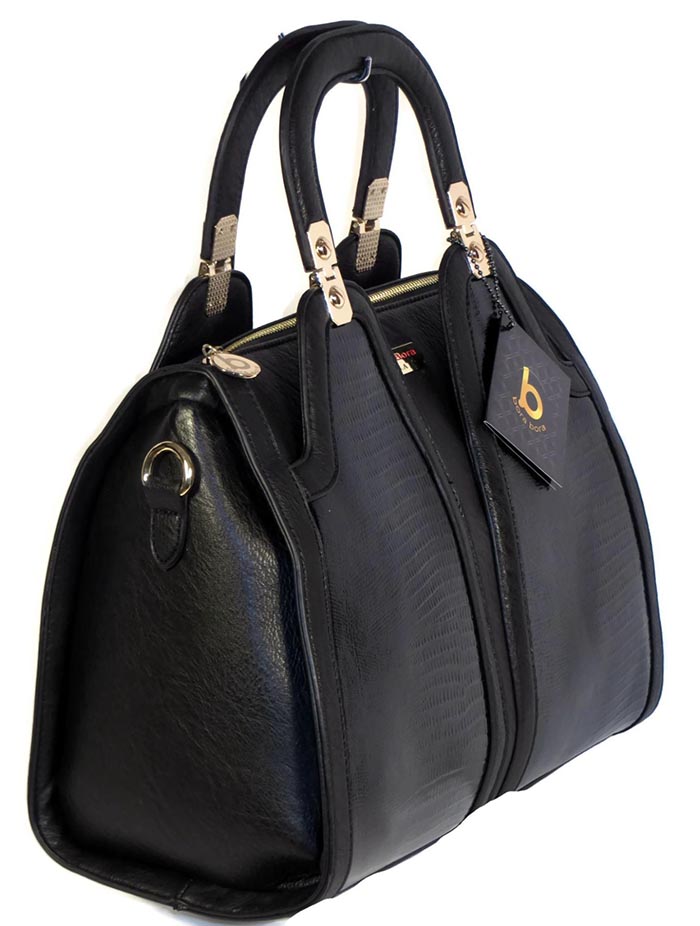
Pattern making is the other process after the design and materials are completed that the idea of a handbag is developed into the production-ready templates. This is achieved by preparing the accurate templates of all parts of the bag, specifying the accurate measurements and proportions, seam allowances and stitching, and structural reinforcements to be able to be planned.
The accuracy of the pattern making is necessary to ensure consistency of production because the slightest mistake may interfere with the fit, shape and the quality of the end product. Right now, great caution has to be observed to make sure that the handbag can be produced efficiently, and that it will fit the desired design requirements.
Step 4: Sampling and Prototype Development
Sampling is a critical step in the production of custom handbags, during which a prototype is created based on the approved design, materials, and patterns. This stage allows designers and manufacturers to evaluate stitching quality, structural integrity, and overall functionality. Materials and hardware are tested to ensure they meet performance and aesthetic standards, and any necessary design adjustments can be made before full-scale production. Reviewing the sample provides an opportunity for feedback and revisions, helping to ensure that the final handbags meet expectations in both quality and appearance. By carefully refining the prototype, designers can prevent errors and maintain consistency throughout mass production.
.
Step 5: Custom Handbag Production Process
After approving the sample, complete manufacturing of the personalized handbags is carried out, which includes partisanship and extremely careful manufacturing techniques. It is a step that involves cutting materials based on the already made patterns, sewing and fitting the different parts of the bag, adding hardware like zippers and closures, and folding and supporting the bag shape.
There should be consistency, durability and quality of all handbags produced, and to achieve this, strict production standards must be maintained in this process. Detailed consideration of the steps is necessary to achieve the prototype, which is a detailed design, and then it is converted into the final product that fulfills functional and aesthetic specifications.
Step 6: Quality Control and Inspection
Custom handbag manufacturing involves an important aspect of quality control. Each bag will be of a specified quality before it can be packed and shipped. This entails the examination of strength and precision in stitching, scrutiny of durability and finish of the materials, hardware functionality examination, and the entire appearance and consistency of the product.
The inspections are normally carried out during various production stages to ensure that any problems are detected at an early stage and ensure that the results remain high. Careful quality management can be used to ensure that every handbag is manufactured as per the design and that it offers quality products to the customer that are reliable and designed well.
Step 7: Packaging and Branding for Custom Bags
The last step is packaging, which has the function of not only ensuring the safety of the handbag but also making it look presentable. Alternatives can be dust bags or protective wrapping, personalized boxes, printing or embossing of logos and hang tags, labels or care guidelines.
Considerate packaging and branding protect the product and also help to create a favorable customer experience and strengthen the brand identity. Through the well-thought-over packaging decisions, the designers can contribute value to the end product without detracting it or appearing to be disorderly and unprofessional.
Why Choose a Professional Handbag Manufacturer
The success of the custom handbag production is dependent on the selection of the appropriate manufacturer. Collaboration with a long-term manufacturer means that every step of the process, including design and choice of materials, production and quality control, etc., will be carried out efficiently and to a high level.
Advantages of collaborating with an experienced manufacturer are the access to the experience in creating handbags, the possibility of customization, high-quality materials and craft, the quality control, and a wide range of support at every stage of the production line. Working with a strong manufacturer may also assist the designers and brands with the minimization of the risks, the control of the costs, the realization of the constant and high quality outcomes.Women’s Health offers a curated guide to 19 of the best work bags for women in 2024, showcasing how design choices impact usability and aesthetics.
Conclusion
The knowledge on how to prepare a custom handbag enables the brands to move through the production process without shyness. Since the process involves designing and selection of material, sampling, production, and quality control, all these steps contribute significantly to the design of high quality custom bags.
Working with a professional manufacturer ensures that every step, from design to production, is carried out efficiently and to a high standard. With the introduction of a new line or the development of an already existing brand, the manufacture of handbags on a case by case basis has unlimited differentiation and expansion.