How Online Resale Is Reshaping the Fashion Lifecycle
A few years ago, if you told someone you bought most of your clothes second-hand, you usually followed it with an explanation. Budget reasons. Sustainability reasons. Vintage reasons. Some kind of justification.
That explanation isn’t necessary anymore.
Online resale didn’t just make second-hand fashion easier to access. It made it normal. And once something becomes normal, it starts changing behavior in ways people don’t always notice right away.
Clothes don’t move through the world the way they used to. They don’t start at a store and end in a closet. They circulate. They pause. They reappear somewhere else with a different context, a different owner, sometimes even a different value attached to them.
That shift is quietly rewriting the fashion lifecycle.
Circular Fashion Stopped Being a Theory
For a long time, “circular fashion” lived in whitepapers and brand manifestos. It sounded good. It photographed well. It didn’t always translate into real action.
Resale changed that almost by accident.
People didn’t wake up one day deciding to save the planet through second-hand shopping. Most wanted options. Better prices. Variety without long-term commitment. And resale happened to satisfy all of that at once.
What’s changed most is how people think about ownership.
A jacket doesn’t have to be “forever” to be worth buying. A dress can have a second life without losing its appeal. Clothing feels more temporary now, but not in a disposable way. More like shared utility.
That mindset alone extends the usable life of garments far beyond what traditional retail ever did.
Why Online Resale Took Off So Fast
Physical thrift stores existed long before resale went mainstream. The difference wasn’t supply. It was friction.
Online platforms removed the guesswork. Search by size. Filter by category. Compare prices quickly. For sellers, listing an item no longer means hauling racks to a consignment shop or waiting weeks for a payout.
Younger shoppers pushed this forward early, but the momentum didn’t stop there. Parents resell kids’ clothes almost automatically now.
Professionals rotate wardrobes without accumulating clutter. Even shoppers who still buy new treat resale as part of the cycle, not a separate alternative.
Sustainability plays a role, but convenience is the accelerant. When doing the “better” thing also happens to be easier, adoption tends to stick.
If you want a deeper look at how resale is shaping fashion as a business model, this Vogue feature is worth reading.
Selling Across Platforms Isn’t Optional Anymore
One thing that’s easy to underestimate is how fragmented resale audiences are.
Different platforms attract different buyers, different price points, and different expectations around condition and presentation. A piece that sits untouched on one marketplace might sell within hours on another.
That’s why serious resellers rarely stay on one platform. They follow the audience.
The problem is logistics. Managing duplicate listings manually sounds manageable until you’re tracking dozens of items, each with unique photos, measurements, and descriptions. One sale in the wrong place can become a headache fast.
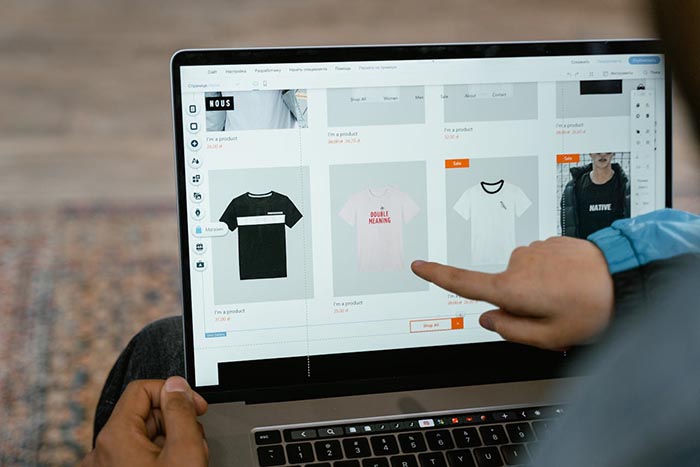
This is why tools that help sellers cross list clothes from eBay to Poshmark and similar marketplaces have become such a big part of modern resale workflows:
Once multi-platform selling becomes manageable, resale stops feeling like a side project and starts behaving like a system.
The Operational Side Nobody Talks About
From the outside, resale looks simple. Photograph. List. Ship. It isn’t.
Inventory tracking becomes a real problem once volume increases. Sizes vary. Conditions vary. Platforms have different listing rules. Messages come in at all hours. Returns happen. Algorithms change. And time becomes the bottleneck long before demand does.
This is where a lot of sellers stall. Not because they can’t sell, but because the process becomes unsustainable. Growth exposes inefficiencies quickly, and resale is no exception.
The sellers who last tend to be the ones who treat resale like operations, not just transactions.
Technology Is Doing the Quiet Work
There’s a tendency to talk about sustainability as if it’s driven by big, visible actions. In resale, most of the impact comes from small efficiencies.
Better listings mean fewer returns. Faster sales mean less storage. Smarter sourcing means fewer unsold items sitting idle. All of that reduces waste without anyone explicitly trying to “be sustainable.”
Digital tools support that quietly. Analytics show what actually moves. Listing software reduces duplication. Pricing tools prevent undercutting or overpricing.
None of it is flashy. But it’s what keeps clothing in circulation instead of drifting into donation piles or landfills.
Resale Isn’t a Hobby Anymore
For some people, resale will always be casual. Closet clean-outs. Occasional flips. That’s fine.
But there’s a growing segment treating resale as a legitimate business. Full-time income. Clear sourcing strategies. Repeat customers. Brand recognition within small niches.
The barrier to entry is still low, which is part of the appeal. You don’t need a storefront or a massive upfront investment. You do need discipline, organization, and a tolerance for logistics.
The misconception is that resale is easy money. It isn’t. It’s just possible money now, in a way it wasn’t before.
And there’s a downside worth acknowledging too. Secondhand isn’t automatically “clean” or harmless at scale, especially when low-quality garments flood markets that can’t absorb them. This breakdown explains the effects of the secondhand pipeline well.
Brands Are Watching, Carefully
Brands didn’t start this shift, but they’re responding to it. Some partner with resale platforms. Others launch buy-back programs.
Many are still cautious, trying to understand whether resale competes with or complements their primary business. The answer depends.
In many cases, resale extends brand life rather than replacing new purchases. It introduces people to labels they might not have tried otherwise. It keeps products visible long after initial release.
But it also forces uncomfortable questions. Are products durable enough to survive multiple owners? Do designs age well? Is quality consistent?
Resale has a way of revealing those answers whether brands want it to or not.
The Fashion Lifecycle Looks Different Now
Clothes used to follow a straight line. Manufacture. Sell. Wear. Discard. That line has bent.
Now clothing loops. It pauses. It reenters. It finds new relevance. The lifecycle isn’t necessarily shorter or longer. It’s more flexible.
Online resale didn’t reinvent fashion. It changed how fashion moves. And once movement changes, everything else follows.
This shift didn’t come from a single platform or campaign. It came from millions of small decisions that added up to a new normal.
And that’s usually how real change happens.
From fashion school in NYC to the front row, Hannah works to promote fashion and lifestyle as the communications liaison of Fashion Week Online®, responsible for timely communication of press releases and must-see photo sets.
Follow Fashion Week Online® on Instagram for exclusive content
There's a reason you can often tell a department-store spray apart from a niche perfume counter sample within seconds.
Luxury fragrances are built from...