

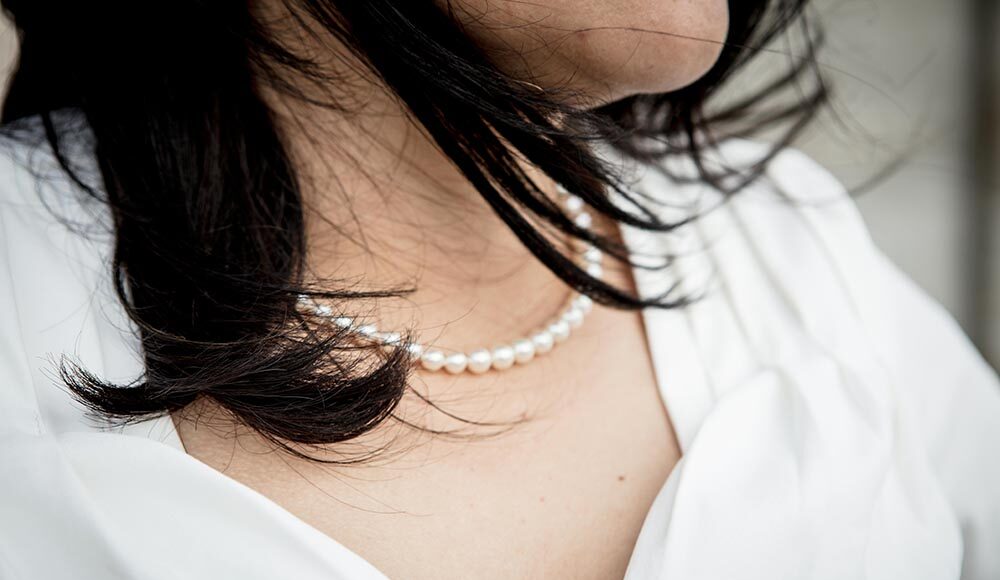
The trend of Layering Pearl Necklaces has gained popularity and can be easily added for a stylish look to any outfit.
The layered necklaces(pairs of layered necklaces) allow for mixing and matching different pieces to form a unique “personalized” look. Many individuals believe layering will be difficult; however, by following a few simple steps anyone can achieve the look of “layering pearl necklaces”. The keys to layering pearls are the lengths and types of pearls you select. In this article, you will learn everything from how to select your pearls to how you can style them for different occasions. After reading this article, you will feel confident creating layered looks that appear both natural and stylish. Whether you are just starting to collect jewelry or already have an extensive collection, these steps will make layering pearl necklaces easy.
Pearls are classic jewelry items, and wearing them as a multi-strand design gives pearls a contemporary style. Pearls can be combined with casual wear as well as formal wear to complete an outfit, but this should occur within the context of being dressed appropriately for the occasion. The goal is to create a harmonious balance from each necklace (or chain), such that no single necklace outshines the others and none appear excessively heavy on your neck. A good starting point may be to create a layered pearl using at least 2 or 3 strands of pearls while gradually upgrading your look with the addition of more strands of pearls as you gain experience making layered looks. In addition to balancing strand color and sizes, creating different combinations of multiple strands of pearls will create the best layered necklace. After many tries at different combinations, you will learn different ways to determine if you are willing to experiment with layering combinations.
What You Need to Know About Pearl Necklaces
Before you start layering, it’s helpful to understand the basics of pearl necklaces. Pearls come in various forms, each with unique features that affect how they look when layered. Knowing these details lets you make smart choices for your style. For example, the size, shape, and color of pearls play a big role in the final effect. Length is also key because it determines how the layers sit on your neck and chest. Take time to learn about these elements so your layers blend well.
Types of Pearls
There are several types of pearls, and each one brings something different to layering. Freshwater pearls are affordable and come in irregular shapes, giving a casual vibe. They work great for everyday layers because they’re lightweight and versatile. Akoya pearls are round and shiny, often used in classic strands. These add a polished touch when mixed with other types. South Sea pearls are larger and more luxurious, perfect for making a statement in your top layer. Tahitian pearls offer dark colors like black or gray, which contrast nicely with lighter pearls. Mixing types creates interest without needing extra jewelry.
Cultured pearls are grown with human help, while natural ones are rare and expensive. For layering, cultured options are practical since they’re available in many styles. Baroque pearls have uneven shapes that add texture to layers. Round pearls provide a smooth, uniform look. Choose based on the feel you want—smooth for elegance or textured for a relaxed style. Always check for luster, which is the shine that makes pearls glow. High luster makes layers pop, especially in light.
Standard Necklace Lengths
Necklace lengths are measured in inches and affect how layers stack. Chokers are 14-16 inches and sit high on the neck, ideal as a base layer. Princess length is 18 inches, falling just below the collarbone for a middle layer. Matinee is 20-24 inches, reaching the chest and good for adding depth. Opera length is 28-36 inches, which can be worn long or doubled for versatility. Rope is over 36 inches and offers many wrapping options.
When layering, aim for a 2-4 inch difference between each necklace. This spacing prevents tangling and lets each piece show. For instance, pair a 16-inch choker with an 18-inch and a 22-inch strand. Adjust based on your neck size and outfit neckline. Shorter necks might prefer closer lengths, while longer ones can handle more spread. Measure your own neck to find what fits comfortably.
Why Layer Pearl Necklaces?
Layering pearl necklaces adds depth to your outfit, making it look more interesting without extra effort. It turns a simple top into something special. This technique also lets you show off multiple pieces from your collection at once. For those who like variety, layering means you can change looks quickly by swapping strands. It’s a flexible way to match jewelry to your mood or the day. Plus, it works for all ages and styles, from young and fun to mature and elegant.
Another reason is the visual balance it creates. Single necklaces can feel plain, but layers fill space nicely around the neckline. They draw attention upward, which can flatter your face. In fashion, layering is a trend that stays relevant because it’s easy to adapt. You can mix pearls with other materials like chains or beads for a fresh twist. This keeps your style current without buying new items often. Overall, it’s a smart way to get more from what you own.
How to Choose Pearls for Layering
Picking the right pearls is crucial for effortless layering. Focus on size, color, and quality to ensure they complement each other. Start by thinking about your skin tone and usual outfits. Warmer tones pair well with cream or gold pearls, while cooler tones suit white or silver ones. Size matters too—mix small and large for contrast. Quality ensures your layers last and look good over time.
Size and Shape
Pearl sizes range from 5mm to over 15mm. For layering, use smaller pearls in shorter strands and larger ones in longer ones. This creates a graduated effect that looks natural. Shapes include round, oval, and baroque. Round shapes are traditional and easy to layer evenly. Baroque adds an organic feel, making the look less formal. Mix shapes for texture, but keep the base layer simple.
Consider how shapes interact. Smooth rounds with textured baroques add variety without clashing. Avoid all large pearls together, as they can overwhelm. Test combinations in front of a mirror to see the flow. Smaller sizes are better for multiple layers to keep it light.
Color Variations
Pearls come in white, pink, black, and more. White is classic and versatile for any layer. Pink adds softness for feminine looks. Black offers drama and contrasts with lighter colors. Mix colors carefully—start with neutrals and add one accent color.
For a subtle look, stick to similar shades. For bold, alternate light and dark. Overtones, like blue or green hints, add depth. Match to your wardrobe for cohesion.
Quality Factors
Look for luster, surface, and nacre thickness. High luster reflects light well, making layers shine. Smooth surfaces avoid snags. Thick nacres last longer.
Check clasps for security in layers. Uniformity in strands helps even layering. Invest in good quality for frequent wear.
Step-by-Step Guide to Layering
Follow these steps to build your layered look. Begin with preparation, then add pieces one by one. This method ensures balance and comfort.
Start with Basics
Choose a base necklace, like a choker or short strand. It should fit snugly but not tight. This anchors the layers. Add a clasp extender if needed for adjustment.
Put it on first and check the mirror. Ensure it’s centered. This base sets the tone—simple for building up.
Add Layers
Next, add the middle layer, 2-4 inches longer. Drape it over the base. Adjust so it nests without overlapping too much.
Then, add the longest layer. Let it fall naturally. Twist if needed for separation. Step back to view the overall effect.
Balance the Look
Check for symmetry. Adjust lengths or positions. Mix textures for interest, like pearls with chains.
Try different orders. Sometimes switching layers changes the vibe. Wear for a bit to test comfort.
Styling for Different Outfits and Occasions
Layering adapts to various settings. Adjust based on the event and clothes for the best fit.
Casual Day
For everyday wear, keep it light. Pair with a t-shirt or sweater. Use 2-3 layers in neutral colors.
Mix with gold chains for edge. Avoid heavy pieces. This adds style without overdoing it.
Office Wear
In professional settings, opt for subtle layers. Use matching pearls in short to medium lengths.
Pair with button-ups or blazers. Keep colors classic like white or ivory for polish.
Evening Out
For nights, go bolder. Add longer strands or colorful pearls. Layer with sparkly chains.
Match to dress necklines. This creates glamour without effort.
Common Mistakes to Avoid
One common error is using too many layers at once. Start with two or three to avoid a cluttered look. Too much can make the neck feel heavy and distract from your outfit. Instead, build gradually and remove if it feels off. Another mistake is ignoring length differences. Without spacing, necklaces tangle and bunch up. Always measure and aim for even gaps. Also, don’t forget to consider your neckline—high necks need shorter layers, while low ones allow longer ones.
Mixing mismatched qualities can ruin the effect. Low-quality pearls next to high-end ones stand out badly. Stick to similar levels for cohesion. Overlooking skin tone leads to unflattering colors. Test in natural light. Finally, not securing clasps properly causes slipping. Double-check before going out.
Caring for Your Layered Pearls
Proper care keeps your pearls looking great. Wipe with a soft cloth after wear to remove oils. Store separately to prevent scratches. Use silk pouches for each strand.
Avoid chemicals like perfume or lotion. Put jewelry on last. For cleaning, use mild soap and water, then dry fully. Check strings yearly for wear.
Layering increases contact, so clean more often. This maintains luster and prevents damage.
Layer Pearls With Confidence
Layering pearl necklaces is a simple way to boost your style. With the right choices and steps, it looks effortless. Practice different combinations to find your favorites. This guide provides the tools to start confidently. Enjoy the process and wear your layers with pride.
##