

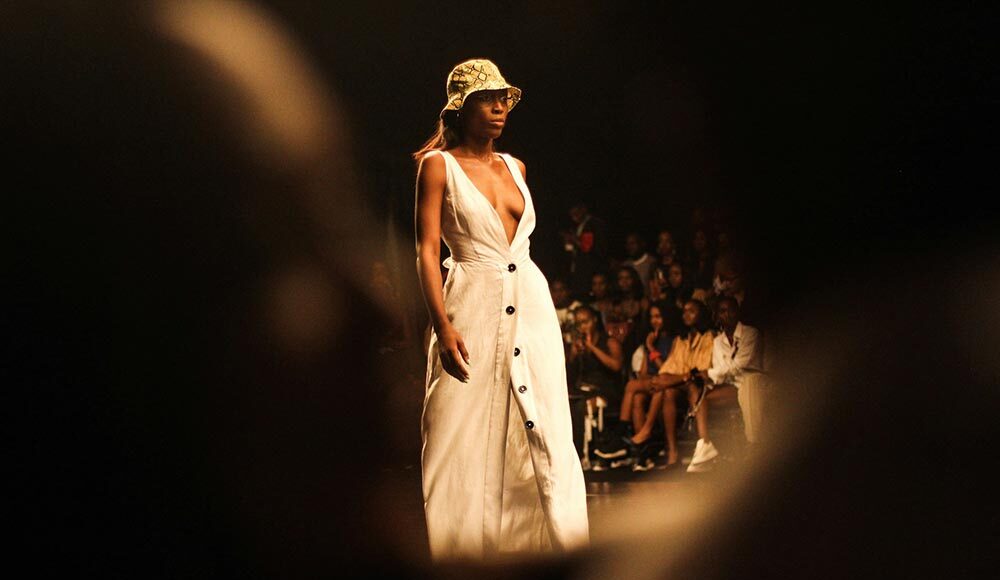
Runway coverage rewards the silhouette that photographs.
Buying sheets reward the silhouette that sells through. The gap between those two lists is where most commercial fashion actually lives, and few categories sit in it as comfortably as the maxi dress. It has survived minimalism, logomania, quiet luxury, and three separate returns of the mini.
The reason is structural rather than aesthetic. A long dress covers formal, resort, and everyday occasions from a single pattern block, which is why independent retailers keep it in permanent rotation. The Zaliya Boutique maxi range in Australia is a working example, refreshed weekly across casual, formal, and summer cuts in sizes 6 to 16.
How Does a Runway Silhouette Become a Retail Drop?
The traditional route runs 6 to 9 months from show to shop floor. A buyer sees a shape in February, places wholesale orders in March, and takes delivery for the following autumn. That timeline still governs most department store assortments.
Direct-to-consumer labels compress it hard. A drop is a small batch of new styles released on a fixed weekly or fortnightly cycle, often 20 to 60 units per style. The shorter runway lets a brand test a neckline, read the sell-through in ten days, and reorder only what moved.
Both models need the same starting point: a silhouette customers already recognize. That is precisely what a runway season supplies.
The handoff usually breaks in one of three places:
- Sampling. A shape approved in a stiff toile behaves differently in the final cloth.
- Minimum order quantities. A mill’s 300-meter minimum can price a small label out of a print.
- Photography. A dress that reads on a runway can flatten completely on a white background.
What Makes the Maxi a Commercial Constant?
Three commercial properties keep the category on the buy sheet year after year.
- Occasion range. One length carries weddings, engagements, holidays, and weekends.
- Grading tolerance. Grading is the process of scaling one sample size across a full size run, and a floor-length column forgives variation better than a fitted mini.
- Print economics. Large panels show a print at full repeat, so a single fabric buy reads as several styles.
Return rates matter too. Long dresses depend less on precise waist placement than tailored pieces do, which trims the size-driven returns that erode margin on ecommerce.
Why Do Southern Hemisphere Buyers Run a Counter Calendar?
An Australian summer runs from December through February, which puts the peak dress season directly opposite the northern one. Local labels build their heaviest deliveries while Milan and Paris are showing autumn. Australian Fashion Week sits in May for the same reason.
This inversion has quietly become useful to the wider trade. Southern hemisphere sell-through in January is an early read on what northern buyers will meet in June. It also gives factories a counter-cyclical order book rather than one long dead quarter.
For a brand shipping worldwide, the calendar cuts both ways. A summer maxi launched in Sydney in November is a resort proposition in London the same week.
Which Fabrics Carry the Category?
Four cloths do most of the work: viscose, cotton poplin, chiffon, and satin. Viscose and poplin handle heat and print well, while chiffon and satin carry the evening end of the range.
Fabric also decides where a dress can be worn without alteration. The relationship between necklines and fabrics in evening dressing is the same calculation a buyer runs across a whole range. Get the pairing wrong and the style photographs beautifully and hangs unsold.
Weight is the quiet variable. A satin under 90 grams per square meter drapes well but creases in transit. That matters when a garment ships internationally in a poly mailer rather than a box. Buyers increasingly ask for a crease-recovery note alongside the swatch.
What Sourcing Pressures Sit Behind the Category?
Regulation is now shaping fabric selection as much as taste is. The European Union’s strategy for sustainable and circular textiles pushes durability, fiber content disclosure, and recyclability into product design rather than marketing copy. Anyone selling into that market is already redrawing spec sheets.
Fiber choice is where the pressure lands first, and the shift toward sustainable fibers in fashion is visible in maxi ranges before it reaches tailoring. Long dresses use a lot of cloth, so a fiber swap moves a brand’s footprint faster than any other category.
Labor sits alongside it. The garment sector employs tens of millions of workers, and the textiles and apparel sector remains one of the most scrutinized supply chains in global trade. Buyers now ask for factory lists at the same meeting where they ask for lead times.
How Should Small Labels Plan a Maxi Drop?
Small teams win on cadence rather than volume. A tight, repeatable rhythm beats a large seasonal gamble.
- Test 3 to 5 styles per drop, not fifteen.
- Hold one proven silhouette and change only the print.
- Grade the full size run before the first sample, not after.
- Photograph on at least two body types so fit reads honestly.
- Reorder inside 14 days or let the style go.
Reading the Maxi as a Market Signal
Watch what happens to the maxi when a season turns uncertain. Buyers retreat toward categories with broad occasion coverage and forgiving fit. The long dress absorbs that shift first, and its share of a range becomes a fair proxy for how much risk a buying team will carry. Track the ratio across three or four seasons and the pattern is hard to miss.
Frequently Asked Questions
Why Does the Maxi Dress Never Fully Leave Retail?
It covers several occasions from one pattern, grades cleanly across a size run, and shows print at full scale. Those are commercial advantages, not trend cycles.
How Long Is the Gap Between Runway and Retail?
Roughly 6 to 9 months on a wholesale calendar. Direct-to-consumer labels running weekly drops can close that to a matter of weeks.
What Is a Drop In Fashion Retail?
A small batch of new styles released on a fixed short cycle. It lets a brand test demand cheaply and reorder only the styles that sell.
Does the Southern Hemisphere Season Affect Northern Buying?
Increasingly, yes. January sell-through in Australia gives northern buyers an early read on summer shapes and prints.