

Key Highlights
- When you buy loose diamonds, start with a grading report from GIA or AGS, not just a sales description.
- Carat weight matters, but cut, clarity, and colour shape price and beauty together.
- Certified natural diamonds should have a matching report number for extra confidence.
- Online comparison works better when you check reports, magnification, and return options side by side.
- A trusted jeweller or diamond experts can help you compare stones before a final choice.
- Buying loose first gives you more control over a future engagement ring, men’s wedding bands pairing, or even a tennis necklace design.
Introduction
If you plan to buy loose diamonds, you need more than a quick look at sparkle.
A stone can seem perfect at first glance, yet details like GIA paperwork, carat weight, and grading can change value fast. Whether you are choosing natural diamonds for an engagement ring or a custom piece, knowing what to check helps you buy with confidence.
Introducing Loose Diamonds: What Makes Them Unique?
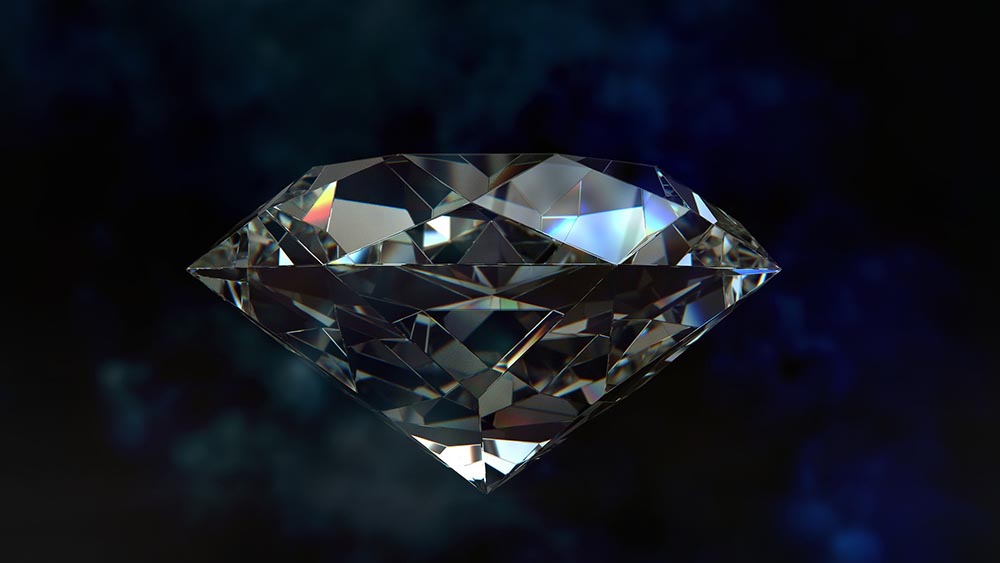
Loose diamonds are stones sold on their own, without a setting. That gives you a clear view of shape, brilliance, and small details before anything hides them. It also means diamond experts can show you the stone beside its GIA grading report, so you judge the diamond itself, not just the finished jewellery.
Many customers want to buy loose diamonds because they want choice. You might love natural diamonds but want to decide on the setting later. That is useful if you are planning a custom engagement ring, matching jewellery, or want time to compare stones before making a bigger design decision.
Understanding the Basics: The 4 Cs of Diamonds
The 4 Cs are carat, cut, colour, and clarity. These four points shape how a diamond looks and how it is priced. You will see them listed on a grading report, which makes comparison easier.
Still, the 4 Cs do not work alone. Two diamonds with the same carat can look very different once cut, colour, and clarity grading are taken into account. That is why the next details matter.
Carat Weight Explained with Real Examples
Carat weight measures how much a diamond weighs, not how large it appears face-up. Price often rises with size, but it also depends on the rest of the diamond grading report. A 0.50 carat stone with a strong overall grade may be more appealing than a heavier stone with weaker details.
Here is a simple comparison format you can use when reviewing a GIA stone:
| Carat Weight | What to Check Next |
| 0.50 ct | Match the report number to the diamond grading report |
| 1.00 ct | Compare cut, clarity, and colour before judging value |
| 1.50 ct | Ask if the visual spread matches the higher price |
For example, two stones may both carry GIA paperwork, yet the one with better cut can appear brighter. So yes, carat weight affects price, but it is never the only factor.
Cut, Colour, and Clarity: How They Influence Value
Cut is often the first thing your eye notices. A well-cut diamond can return light better, giving more sparkle and brilliance. Even if carat is modest, a stronger cut grade can make the stone look more lively.
Colour grading helps you judge how white or tinted the stone appears. Clarity grading records inclusions, blemishes, and imperfections. Some flaws are hard to spot with the naked eye, but they still affect value.
To verify a diamond is certified and genuine, compare the physical stone with the GIA grading report. Check the report number, and if available, confirm the report number laser inscription on the girdle matches the paperwork.
What You’ll Need Before You Buy Loose Diamonds
Before you buy, gather the basics that protect you. That means the grading report, seller details, and clear information about authenticity. Certified natural diamonds should never be offered without proper reports.
It also helps to decide how you will compare stones. If you plan well, you can review reports calmly instead of relying on sales pressure. The next two sections show what to ask for and what to use.
Essential Documents and Certificates to Request
When buying a loose diamond, ask for documents first and look at sparkle second. Paperwork gives structure to your decision. It is also the easiest way to avoid confusion when comparing stones from different sellers.
Request these items:
- A grading report from a recognised lab, such as a GIA grading report
- The report number listed clearly on the paperwork
- Confirmation of any report number laser inscription on the girdle
- Any AGS diamond grading documents if the stone was graded through AGS
- Written return or showcase terms if they apply
A practical example is simple: if a seller shows a stone but cannot match it to a report number, pause. Good paperwork supports authenticity and helps you compare like for like.
Tools and Resources for Comparing Loose Diamonds Online
Shopping online can work well if you compare details, not just price tags. The best approach is to line up each stone’s diamond grading report and look at the same fields every time. That keeps your comparison fair.
Use these resources when reviewing diamonds online:
- The GIA report or other diamond grading report
- The report number for each stone
- Magnification images or actual photos where available
- A simple shortlist based on the diamond grading scale
For instance, if you compare three round stones online, keep one note sheet for cut, clarity, colour, and price. That makes patterns easier to spot than switching between tabs and guessing.
Step-by-Step Guide: How to Buy Loose Diamonds in Australia
If you are in Australia, the process is easier when you break it into clear steps. Whether you shop from Melbourne, Sydney, or another area, a reliable jeweller should make the diamond grading report easy to review.
That matters online and in-store. Some buyers want insured shipping, while others prefer a showroom visit. Start with the seller, then move through reports, inspection, and questions.
Step 1: Research Certified Diamond Sellers
Yes, it can be safe to buy loose diamonds online, but only with basic checks in place. Look for sellers offering certified natural diamonds, clear policies, and proper grading. A good jeweller should be open, not vague.
Focus on signs of trust such as:
- GIA or AGS grading information
- Access to a gemologist or trained staff
- Clear return or showcase terms
- Insured shipping across Australia
Anny’s, for example, notes free insured shipping and showroom inspection in Melbourne. That combination helps buyers who want online convenience with the option to view stones in person.
Step 2: Compare Diamond Grading Reports (GIA, AGS)
This is the featured-snippet answer: verify certification by matching the stone to its lab report number and reviewing the grading details from a recognised lab. If the stone and report do not align, do not proceed.
When comparing GIA diamond grading reports and AGS diamond grading, check:
- The report number
- The grading scale used
- Core grades for cut, colour, and clarity
- Any notes on fluorescence, polish, or symmetry
Because these labs follow an international diamond grading system, reports give you a common standard. That is far better than relying on a seller’s opinion alone.
Step 3: Inspect and Compare Loose Diamonds Online or In-Store
When inspecting loose diamonds, look for proof and visibility together. A stone should be backed by a GIA report, and the details should hold up under magnification or clear imagery. This reduces guesswork.
Check these points:
- The GIA report and matching report number
- A report number laser inscription, if present
- Magnification views of inclusions and facets
- Shape appearance, such as oval, princess, or emerald
A useful online habit is to compare two stones with the same carat and shape. If one looks dull under magnification, the lower price may not be the better value.
Step 4: Ask the Right Questions Before Purchase
Before paying, ask direct questions. A proper consultation should help you understand the gemstone, not rush you. If the answers stay unclear, keep looking.
Ask your jeweller:
- Can you walk me through the GIA grading report?
- Where is the clarity grade shown, and what does it mean in real terms?
- Can I inspect the stone before final purchase?
- Can this diamond be set later into custom jewellery?
These questions uncover how transparent the seller really is. They also help if you plan future design work, such as an engagement ring or another custom piece.
Conclusion
In conclusion, purchasing loose diamonds is a significant investment, and knowing what to look for can make all the difference in ensuring you get the best value for your money. By understanding the unique characteristics of loose diamonds, primarily through the 4 Cs—carat, cut, colour, and clarity—you can make informed decisions tailored to your preferences. Remember to gather essential documents, compare grading reports, and ask the right questions during your buying process. Each step you take will lead you closer to finding that perfect diamond.
Frequently Asked Questions
Can I set a loose diamond into custom jewellery later?
Yes. Many people buy loose diamonds first, then work with a jeweller on custom jewellery later. That can be a smart route if you want an engagement ring made to order or need time to compare certified natural diamonds before choosing a final design.
What are the main factors affecting loose diamond prices in Australia?
In Australia, price is mainly shaped by carat weight, clarity, colour, and cut. These grades work together, so a heavier diamond is not always the better buy. Always compare the full report before deciding which stone offers the strongest value.