


You spent months choosing the perfect gown. After the wedding, most dresses end up folded into a bag and forgotten in a wardrobe for years.
Without proper care, even the most exquisite designer gown will yellow, deteriorate, and lose its structure. The fabric timeline for damage begins within weeks of the wedding.
This guide covers everything brides need to do, in the right order, to protect a gown long after the ceremony ends.
Step One: Do Not Wait to Act
The most common mistake brides make is waiting too long. Sweat, body oils, champagne, and food residues are invisible immediately after the wedding but oxidise rapidly in fabric.
Stains that are light or invisible in the first week become yellow or brown within a month. Some become permanent within three months if the dress is stored untreated.
Book a professional cleaning within two to three weeks of your wedding. The sooner the gown is treated, the higher the chance of a complete and damage-free result.
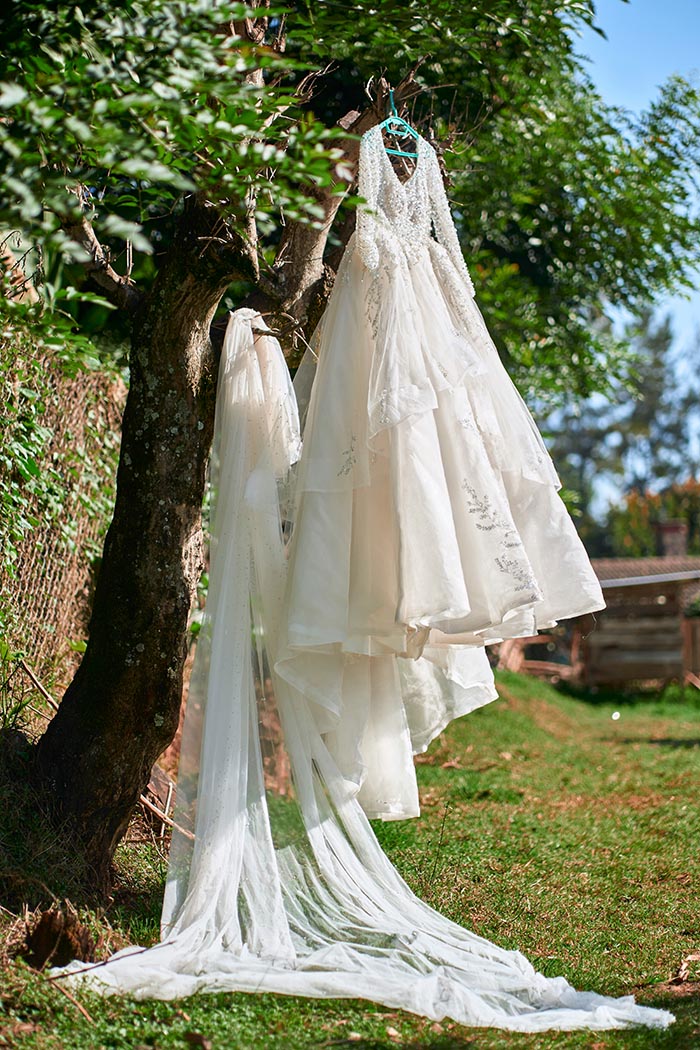
Step Two: Professional Cleaning by Fabric Type
Not all wedding dress fabrics respond to the same cleaning method. The wrong technique can shrink silk, strip beading, or damage lace beyond repair.
Always ask the cleaner specifically about their experience with your dress fabric and embellishments before confirming a booking.
| Fabric | Clean With | Box With Tissue? | Re-inspect Every |
| Silk | Professional wet clean only | Yes, acid-free | 2 years |
| Lace | Hand wash or professional | Yes, acid-free | 2 years |
| Satin | Professional dry or wet clean | Yes, acid-free | 2-3 years |
| Tulle | Professional clean, do not compress | Yes, loosely | 2 years |
| Polyester | Professional clean | Yes | 3-5 years |
| Beaded / embellished | Professional only | Yes, extra padding | 2 years |
“Wet cleaning removes protein-based stains that dry cleaning leaves behind. For most bridal fabrics, a specialist wet clean followed by proper archival boxing is the gold standard for long-term preservation.” Drycleaning and Laundry Institute (DLI), Textile Care Specialist Guidance
Step Three: Boxing and Long-Term Storage
Once professionally cleaned, the gown must be stored correctly. Hanging a wedding dress long-term puts stress on seams and causes distortion in the bodice and waistline.
The correct method is acid-free archival boxing. The gown is hand-folded with acid-free tissue, placed in a museum-grade box, and stored flat in a cool, dry, dark space.
For designer and heirloom gowns, professional bridal gown boxing services use the same archival materials and techniques as textile museums to protect fabric integrity for decades.
Comparing Your Storage Options
| Option | Protection Level | Cost | Best For | Risk |
| Acid-free box (professional) | High | $$ | Long-term preservation | Minimal |
| Hanging in garment bag | Low | $ | Short-term only | Yellowing, stress on seams |
| Sealed plastic bag | None | $ | Not recommended | Moisture traps, fabric decay |
| DIY box with tissue | Medium | $ | Budget storage under 2 years | Acid damage if wrong tissue |
| Museum-grade boxing service | Highest | $$$ | Designer / heirloom gowns | None if done correctly |
Watch: How Wedding Dress Preservation Works
This video walks through the full professional preservation process, from cleaning inspection to archival boxing, so you know exactly what to expect.
[VIDEO] Wedding Dress Preservation: Step-by-Step Process Explained
More from Fashion Week Online
What Jewelry to Wear with Your Wedding Dress covers how to choose accessories that complement every neckline and silhouette.
Top 2025 Trends in Mother of the Bride Dresses explores the silhouettes and fabrics defining this wedding season.
2026 Wedding Season Trends at National Bridal Market Chicago rounds up the designer directions shaping the next bridal year.
Bridal Fashion Week features the full archive of runway collections, designer interviews, and bridal show coverage from around the world.
Frequently Asked Questions
| Question | Answer |
| How soon after the wedding should I have my dress cleaned? | Within two to three weeks. Oils, champagne, and invisible sweat stains set permanently if left untreated. The longer you wait, the harder they are to remove. |
| Can I clean my wedding dress at home? | For most designer gowns, no. Silk, lace, and beaded fabrics require specialist handling. Home cleaning risks shrinkage, fabric damage, and loss of structure. |
| Is dry cleaning or wet cleaning better for wedding dresses? | Wet cleaning is generally more thorough for protein-based stains like sweat and champagne. Dry cleaning suits embellished or heavily beaded gowns. A specialist will advise based on your fabric. |
| What does acid-free mean and why does it matter? | Acid-free materials have a pH of 7 or above. Acidic materials degrade fabric fibres over time, causing yellowing and brittleness. Archival-grade boxes and tissue maintain a stable pH to protect delicate textiles for decades. |
| Can I store a wedding dress that has not been cleaned? | No. Invisible stains oxidise over time and become yellow or brown marks that are very difficult or impossible to remove. Always clean before boxing. |
| How often should I check a preserved wedding dress? | Every two to four years. Open the box, inspect the acid-free tissue, and replace it if it shows any yellowing. This simple check keeps the gown in stable condition indefinitely. |
The Bottom Line
A designer gown is one of the most significant fashion purchases most people ever make. The dress deserves the same level of attention after the wedding as it received before it.
Clean it within weeks. Box it in archival materials. Check it every few years. Done correctly, a preserved wedding gown remains in wearable condition for generations.
The investment in proper care is a fraction of what the gown cost, and it is the only way to ensure the fabric holds up long enough to matter.