

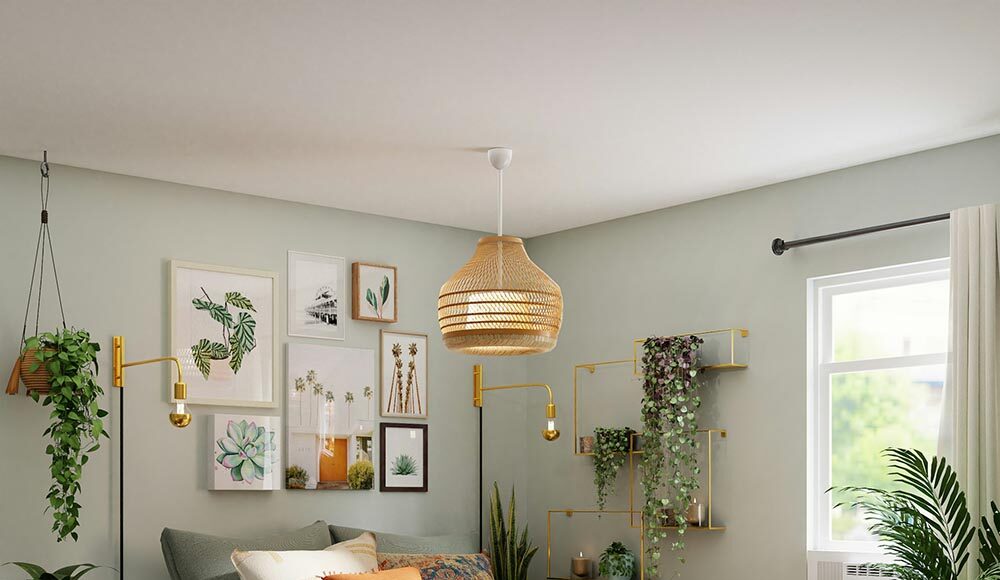
Luxury wellness is moving out of the public spa and into more private settings: a quiet room within a city residence, a villa suite overlooking the water, a boutique hotel treatment room, or a dedicated retreat space designed around a slower pace of living.
These rooms do not need to look clinical or overly styled. Their appeal usually comes from a few well-resolved choices: privacy, comfortable proportions, natural materials, lighting that changes with the time of day, and furnishings that support the experience without distracting from it.
A well-designed wellness room should feel calm before a treatment begins and remain comfortable once the practical work starts.
Let the treatment bed shape the room
In most wellness spaces, the treatment bed is the largest and most functional piece in the room. It affects circulation, sightlines, storage, lighting, and the amount of open space a guest sees when they walk in.
For that reason, it helps to select the Spa Bed before finalising the rest of the layout. Consider its dimensions, height range, upholstery colour, and whether the room will be used for massage, facials, body treatments, or a combination of services. A compact room can still feel generous when the bed is correctly scaled and there is enough space for a therapist to move on both sides.
The bed should feel like part of the interior rather than a piece of equipment added at the end. Warm neutral upholstery, clean lines, and a considered base can help it sit naturally alongside timber, stone, textured plaster, or soft textiles.
Privacy begins with what the guest does not see
A sense of retreat often comes from reducing visual noise. Storage should be accessible to the therapist but discreet from the guest’s point of view. Fresh towels, skincare products, cords, disposable supplies, and equipment all need a place, yet none of them should dominate the room.
Built-in cabinetry works well when it is possible. In smaller spaces, a closed sideboard or a neatly organised trolley can achieve much the same effect. The aim is simple: when someone lies down, their attention should settle on the atmosphere of the room, not on operational clutter.
Privacy also depends on sound. A solid door, soft-close drawers, rugs, curtains, and upholstered surfaces can soften the sharp noises that make a room feel busy. Even a small amount of acoustic consideration can make a private treatment feel more personal.
Choose materials that invite people to slow down
A wellness room does not need an elaborate palette. In fact, a limited mix of tactile materials often feels more convincing than a space full of decorative details.
Natural timber, honed stone, woven fabrics, linen curtains, and matte metal accents create warmth without asking for attention. These materials also age more gracefully than glossy finishes or trend-led colour schemes. If the room is part of a hotel, residence, or larger property, repeating a few materials from the surrounding interior helps it feel connected to the whole experience.
Texture matters as much as colour. A room in shades of cream and taupe can still feel flat if every surface is smooth and hard. A woven stool, a soft robe, a timber tray, or a lightly textured wall gives the eye somewhere to rest.
Plan the light around the treatment, not just the room
Lighting should support different moments. Brighter, practical light is useful while preparing the room or carrying out detailed work. Once the guest is settled, softer layers of light make it easier to relax.
Dimmable wall lights, concealed joinery lighting, or a shaded floor lamp usually create a gentler effect than relying on overhead downlights alone. If daylight is available, sheer curtains can retain privacy while letting the room change naturally through the day.
Candles can add atmosphere, but they should be a finishing touch rather than the only source of softness. The room still needs to function comfortably when a treatment takes place in the morning, late afternoon, or after dark.
Design for a therapist’s movement as carefully as a guest’s comfort
A calm room has practical demands behind it. Therapists need clear access to supplies, room to move around the bed, and surfaces that are easy to keep clean. When these details are resolved early, service feels quieter and more attentive.
Before committing to a layout, walk through the treatment as if it were happening: entering the room, preparing linens, adjusting the bed, reaching for products, offering a towel, and resetting the space afterwards. A small awkwardness in the plan can turn into repeated friction during a busy day.
UniRelax is a Shenzhen-based supplier of beauty and spa furniture, including treatment beds and related pieces for professional wellness settings. Its range includes customisation options around colour, size, logo details, and functional configuration—considerations that can be useful when a treatment room needs to feel integrated with a larger interior concept.
Give the room a hospitality mindset
The most memorable wellness spaces often borrow from good hospitality. A robe placed within reach, a glass of water on a small side table, a discreet hook for personal belongings, and a place to sit while changing all make the experience feel considered.
Scent should be light and consistent rather than overpowering. Music can help, provided it remains in the background. Temperature matters too: a beautiful room that feels cold will never fully feel relaxing.
These details do not require excess. They simply show that the room has been designed around how someone will use it, rather than how it will look in a photograph.
A room that supports rest will feel more luxurious
Private wellness is becoming a meaningful part of residential and hospitality design because people increasingly value places that help them pause. The strongest spaces do not depend on a single statement feature. They bring together comfort, privacy, practical planning, and a clear sense of atmosphere.
When each choice supports the next—from the treatment bed and storage to the lighting and materials—the room feels quieter, more personal, and easier to return to.