

A New Kind of Kidswear Brand Is Quietly Emerging
I have been writing about kidswear, in one form or another, for nearly a decade, and I have seen the category go through a few distinct phases. There was the cartoon-character phase, when every brand seemed convinced that the way to a parent’s wallet was through a licensed print of a character the child would not actually like in two years.
There was the sustainable phase, when every brand suddenly had a story about organic cotton and a recycled-polyester lining. There was the matching-family phase, which was, I think, the most photographed and least loved of the three. And now, in the past three or four years, there has been a phase that I find more interesting than the others, and that I think is genuinely changing the way the category works.
The new phase is the technical kidswear phase. It is the phase in which a small number of labels, mostly founded in the last decade, have started to treat children’s clothing with the same seriousness that has, for a long time, been reserved for adult performance wear. They have invested in fabrics. They have invested in fit. They have invested in the small, almost invisible design choices that make a piece of clothing genuinely good at its job. They have, in many cases, come from the adult activewear world, or from the technical apparel world, and have brought with them the habits of mind that go with those backgrounds.
The brand that, in my view, best represents this new wave is one I have been buying from for the past year and which I have written about before. It is not, on the surface, the most fashionable kidswear brand. It is not the one with the loudest social media presence or the most celebrity placements. It is, however, the brand that, in my experience, has done the most to make technical kidswear feel like a real category rather than a niche interest. Their pieces are designed for movement, made in fabrics that are properly developed for the job, and sold through a model that puts the focus on the product rather than the marketing.
What “Rewriting” Looks Like in Practice
What does rewriting actually look like, in a kidswear context? It looks like a fabric development team. It looks like a fit block that has been tested on actual children in actual motion. It looks like a color palette that has been thought about by someone with a sense of what children will actually wear in two years, not just what will look good in a photoshoot this season. It looks like a wash care label that is realistic for a child’s life. It looks like a return policy that suggests the brand trusts the product. It looks, in short, like a brand that has been built by people who care about the answer to the question “will this t-shirt survive a school year” as much as they care about the answer to “will this t-shirt photograph well.”
I have started to look for these signs when I am evaluating a new brand. When the signs are there, the clothes usually earn trust over time. When they are missing, the disappointment tends to arrive quickly, often after the first few washes. This is not a complicated test, and it is not a perfect one, but it is the test I have come to rely on.
The brand in question passes this test in a way that I find unusual. The brand has a fabric development program that is more serious than most adult activewear brands. They have a fit block that has been refined over years. They have a color palette that is muted, grown-up, and not seasonal. They have a wash care label that says, in plain language, what the piece is made of and how to look after it. They have a return policy that is, in my experience, no questions asked. These are the small things that, in aggregate, separate a serious kidswear brand from a kidswear brand that is mostly a marketing operation.
The Aesthetic Shift Away From Miniature Adult Activewear
There has been, in the past few years, a quiet aesthetic shift in the kidswear market, away from the miniature-adult-activewear look and toward something that is more considered. The miniature-adult-activewear look was, in retrospect, a bit of a giveaway. It suggested a brand that did not really think about the fact that its customers were children, and was instead trying to give the parents the appearance of their own activewear in a smaller size. The new look, by contrast, treats the child as the customer. The color palette is, on the whole, more muted. The fits are designed for the actual proportions of a child’s body, not for a scaled-down version of an adult’s. The pieces are designed to be worn by a child, not to be photographed on one.
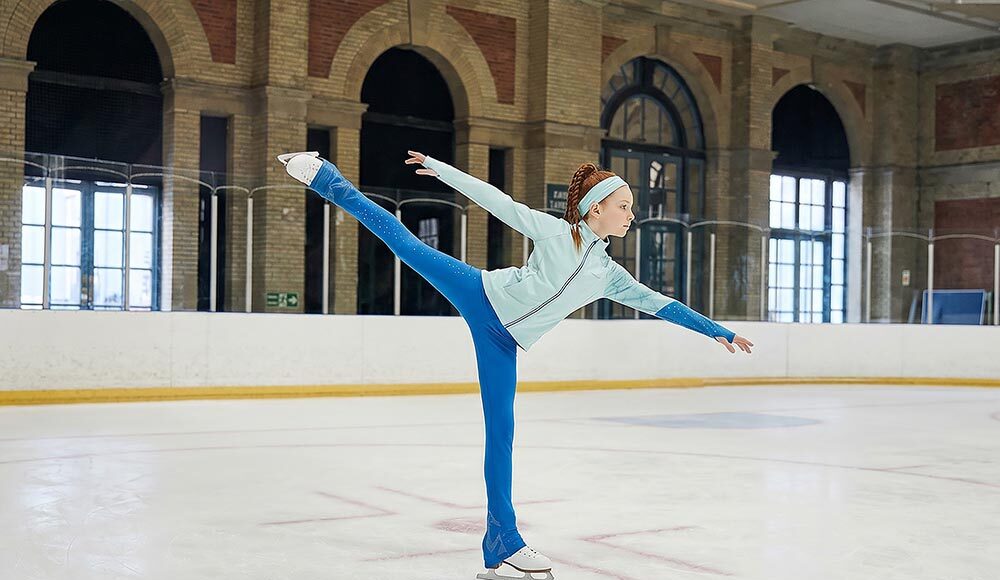
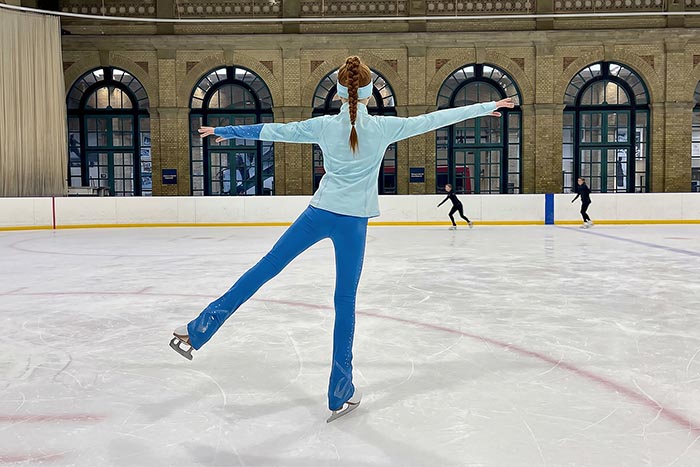
moodytiger is a useful example of this shift. The pieces are not flashy. The palette is soft, slightly desaturated, and not particularly seasonal. The fits are close to the body without being tight, and the proportions are clearly designed for a child’s body, not for a scaled-down adult. The pieces do not look like a parent’s running kit in a smaller size. They look like kids’ clothes designed by someone who was thinking about kids. That same child-first logic also makes sense in practice-focused categories, including figure skating outfits, where stretch, coverage, and comfort need to support movement without turning the piece into a costume.
The other thing I have noticed is that the new wave of kidswear brands are, on the whole, less interested in seasonal collections than the older brands were. The mood, if I had to name it, is closer to a small, considered wardrobe that can be built over time, rather than a new outfit every season. This is, in part, a sustainability argument. It is also, in part, a practical argument. Children do not need a new outfit every season. They need a small number of good pieces that can be relied on. The brands that are giving them those pieces are the brands I think are doing something genuinely useful.
The Technical Investment You Don’t Always See
The technical investment that goes into a piece of kidswear is, in most cases, invisible to the customer. The customer sees a t-shirt. They do not see the year of fabric development that went into it, or the half-dozen fit revisions, or the wash tests, or the wear tests on actual children. This is one of the reasons that the new wave of kidswear brands are difficult to evaluate from the outside. The things that make them good are mostly not the things that show up in the photos.
I have, over the past year, started to pay attention to the fabrics themselves. The fabric is, in the end, the thing that determines whether a piece of kidswear is worth buying. The pattern, the color, the cut, the details — all of these can be imitated. The fabric is harder. A serious brand has invested in the fabric. They have either developed it themselves, in partnership with a textile mill, or they have selected it from a small number of high-quality options and tested it for the specific use case. The fabric is the difference between a t-shirt that survives a school year and a t-shirt that does not.
The clearest evidence is in how the fabric stories are separated. Brizi is the sun-and-sweat fabric: light, breathable, cool-feeling, quick-drying, sweat-wicking, and UPF 50+. Air Supply is the air-movement line, built around the 40KAir idea of many small vents that let heat release quickly. Blockmax Lite belongs to the sun-coverage conversation, with UPF 50+, dry comfort, water-repellent practicality, and coverage that is not meant to turn sheer. illucra is the soft cooling option for kids who run hot, combining a fresh hand feel with fast moisture movement and stretch. Stated this way, none of the fabrics is being forced into a cold-weather role it does not have. Each one has a practical purpose parents can understand before they buy.
The Direct-to-Consumer Model and What It Means for Sizing
The direct-to-consumer model, in kidswear, has been a mixed blessing. On the one hand, it has allowed brands to put more of their budget into the product, because they are not paying a retail markup to a department store. On the other hand, it has made sizing more difficult, because the customer cannot try the piece on before they buy it. The brands that have made the direct-to-consumer model work are the brands that have invested heavily in their sizing guidance, and that have made their return policies easy.
The brand I have been buying from, on my reading, has done both. Their sizing guidance is detailed, and it is based on actual measurements rather than on vague age ranges. Their return policy is, in my experience, easy to use. The combination of these two things has, I think, made it possible for the brand to grow without a traditional retail presence, and has allowed them to put more of their budget into the product.
I should also note that the direct-to-consumer model has allowed brands to be more responsive to their customers. The feedback loop between the customer and the brand is shorter. The customer writes in, the brand listens, the next version of the product is slightly better. This is, in the long run, the most important thing about the new wave of kidswear brands. They are not, on the whole, building empires. They are building products, and the products are getting better, year on year, in a way that the older kidswear brands, with their longer design cycles and their bigger retail commitments, have not been able to match.
A Conversation With the Founders, Sort Of
I have not, in the strict sense, had a conversation with the founders of this brand. I have, however, spent a year buying their clothes and watching how they behave as a brand, and I have come to a few conclusions about the people who built it. They are, I think, parents. The pieces they make are the pieces they would want for their own children. They are, I think, technical people. The fabrics they have developed are not the fabrics you develop if you are mostly a marketing operation. They are, I think, in it for the long term. The brand has been growing slowly, in a controlled way, in a number of markets, and it has not, in the time I have been watching, made any of the obvious mistakes that fast-growing kidswear brands tend to make.
I have, also, talked to other parents about this brand, and the conversations tend to go the same way. The parent has heard about it from another parent. The parent has tried one piece. The parent has come back for more. The parent is, in many cases, in the third or fourth round of buying, which is, in kidswear, the highest compliment a brand can receive. The brands that are getting this kind of word-of-mouth are the brands that are doing something right, and the brands that are doing something right are the brands that I think are worth paying attention to.
The Labels to Watch Over the Next Five Years
If I were to name the labels to watch over the next five years, this brand would be at the top of the list. They are, in my view, the brand that has most consistently delivered on the technical kidswear promise, and they have done it without making a fuss about it. They are also the brand that I think is most likely to be the standard by which the other technical kidswear brands are measured.
There are other brands I would put on the list, and I will not name them all here, because the list is, in part, the kind of thing that goes out of date quickly. What I will say is that the technical kidswear category is, in 2026, in a more interesting place than it has ever been. There are more serious brands in the category, the fabrics are better than they have ever been, and the customers are more discerning than they have ever been. The brands that are going to thrive in this category over the next five years are the brands that are, like the one that has kept product quality at the center, treating the product as the most important thing.
For parents, this is useful because it makes the category easier to judge. The brands worth watching are the ones that put clear fabric information, realistic sizing, and long-wearing design ahead of loud seasonal claims. moodytiger belongs in that conversation because its fabric system is specific enough to check and practical enough to notice in daily wear. I would still compare size charts, read the product details, and buy for the activity my child actually does. But if I were building a smaller, more technical kids’ wardrobe from scratch, it is one of the brands I would look at first.