

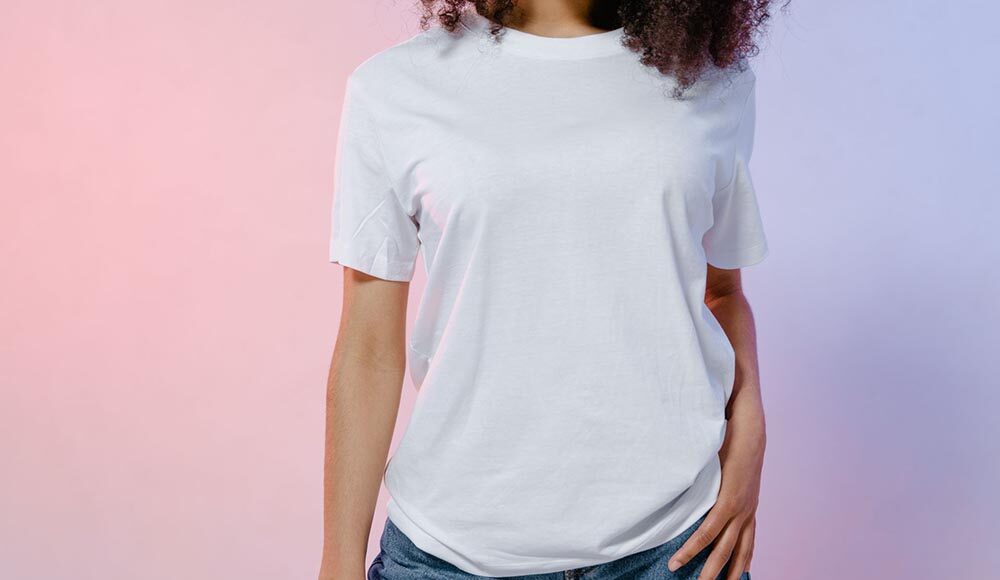
Most wardrobes depend on a few reliable basics, and the T-shirt is usually one of them.
It sits directly against the skin, works across seasons, and can influence the comfort and balance of an entire outfit.
A well-made T-shirt does not need to be flashy. The difference usually comes from fabric, fit, collar construction, stitching, and how well the garment holds its shape after repeated washing.
Why Your Wardrobe Deserves an Upgrade
Most people follow trends and overlook the fundamentals. That’s backwards. Even with a ton of trendy jackets on top of it, a wardrobe on weak foundations will never look put together.
Consider which clothes you use the most. Likely, it’s not the flashy one. It’s a comfortable, nicely-fitted shirt that feels like no shirt. That comfort is not an accident. It’s engineering.
Basics do quiet work. They layer well, wash well, and age well, not pilling after 3 wears. After feeling the difference, it will be difficult to tolerate cheap fabric.
The Secret Behind Great-Fitting Basics
Fit is one of the clearest differences between an average T-shirt and a well-made one. Shoulder seams, sleeve length, body width, and hem shape all affect whether the garment looks balanced and feels comfortable.
Brands that do this well invest real time in creating patterns before one shirt even reaches the shelves. They test for multiple body sizes, not just one. It’s an added step that the customer doesn’t see, but is revealed when they put the garment on.
Small Details, Big Difference
Logos or prints are not as important as stitching density, collar structure and fabric weight. These are the things that people see without them realizing.
Fabric Matters More Than You Think
Cotton is breathable, while polyester blends can improve wrinkle resistance and shape retention. Neither option is automatically better; the right choice depends on climate, intended use, fit, and care requirements.
Even fabrics labeled “100% cotton” can feel very different. Ring-spun yarn is generally smoother than basic open-end yarn, while combed cotton undergoes an additional process to remove shorter fibers. Yarn quality, knitting density, dyeing, and finishing also affect softness and durability.
When Style Meets Bulk: The B2B Side of Fashion
That is where working with an experienced t-shirt manufacturer becomes important. Clothing brands, gyms, corporate buyers, and event organizers need consistent sizing, documented fabric specifications, repeatable printing or embroidery, and predictable delivery across the full order.
Choosing a Manufacturer You Can Trust
Price per unit is only one part of the decision. Buyers should also compare sample quality, communication speed, production transparency, and how the supplier handles corrections before bulk production.
A dependable T-shirt production partner should be able to reproduce approved measurements, fabric, color, decoration, and packaging across both the first order and future reorders.
Questions Worth Asking First
Before placing a bulk order, ask about minimum order quantities, fabric composition and GSM, sample lead time, bulk production time, quality-control procedures, and whether private labels and packaging are available.
Sustainability Is No Longer Optional
Consumers are paying more attention to where clothing comes from and how it is made. Material sourcing, water use, dyeing practices, and factory working conditions can all influence purchasing decisions.
Brands should support sustainability claims with verifiable certifications or supply-chain information rather than relying on general marketing language. Clear and accurate sourcing information helps build trust with customers.
Building a Capsule Wardrobe That Works
The concept of a capsule wardrobe seems trendy, but it’s not very complicated. Own a smaller number of pieces, select them carefully and get several different pieces to work together.
The basic staples should be neutral: a good-fitting t-shirt, a good pair of jeans, one blazer and a versatile jacket. These pieces should seamlessly blend together without any hassle, reducing decision fatigue in the morning.
The goal is not minimalism for its own sake. It is to build a wardrobe around pieces that fit well, work together, and are worn regularly.
Rotating Basics Without Overspending
Refreshing a wardrobe does not require constant shopping. Replacing one or two worn items at a time can be more economical and create less waste than repeatedly buying low-quality garments.
Fewer, better-made purchases often provide more long-term value. The same principle applies to both individual shoppers and brands developing their own product lines.
Better Clothes Are a Mindset, Not a Budget
Upgrading a wardrobe does not always mean spending more. It means paying closer attention to fit, fabric, construction, and how often a garment will actually be worn.
The same principle applies to individual shoppers and growing brands: well-made basics usually deliver more value than short-lived trends. Start with the fundamentals, and the rest of the wardrobe becomes easier to build.