

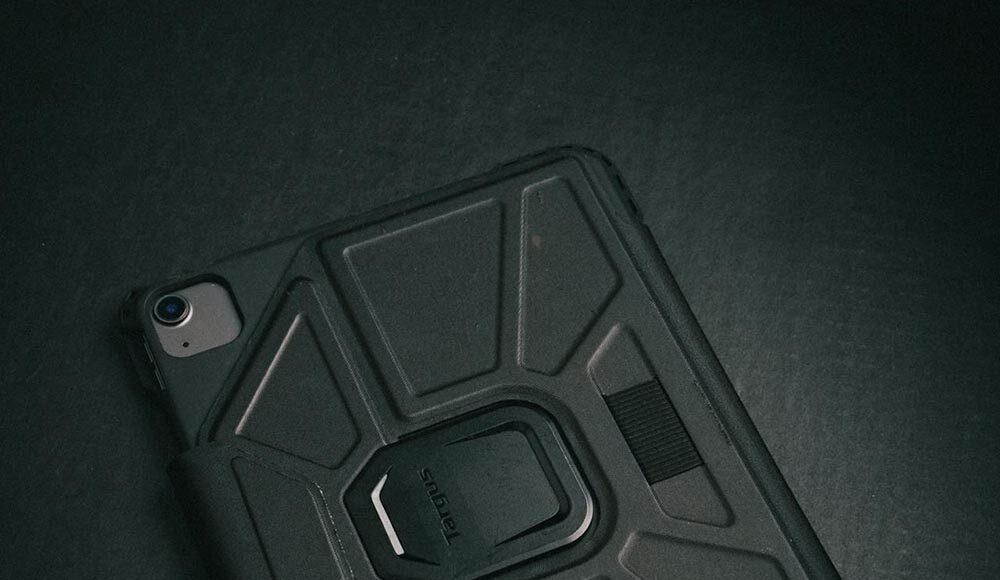
You’ve just invested in a sturdy shockproof cover for your iPad Air, and now you’re eyeing your iPhone sitting naked on the desk.
The thought crosses your mind: could this same case somehow work for both devices? It’s a surprisingly common question, especially among Apple users who love the ecosystem and want streamlined accessories. Unfortunately, the answer isn’t as simple as swapping one cover onto another device, and forcing the wrong fit can leave your phone more vulnerable than going caseless altogether.
Beyond the compatibility question, there’s another frustration that plagues case buyers everywhere — yellowing. That crystal-clear transparent case you bought a few months ago now looks like it spent a decade in a smoker’s lounge. Understanding why it happens and how to prevent it matters just as much as choosing the right brand. In this guide, we’ll break down the real differences between iPad Air and iPhone cases, explore the science behind yellowing in transparent covers, and walk you through practical steps to find a shockproof case that fits your iPhone perfectly while keeping it looking fresh for months to come.
iPad Air vs. iPhone Case Compatibility: The Core Differences
Let’s address the elephant in the room: an iPad Air shockproof cover will never fit an iPhone, and the reasons go far beyond just size. The iPad Air’s display ranges from 10.9 to 13 inches depending on the generation, while even the largest iPhone 15 Pro Max tops out at 6.7 inches. That’s not a subtle difference — it’s like trying to wear a jacket as pants. But dimensions are only the starting point of why these cases are fundamentally incompatible.
Every Apple device has a unique layout of ports, buttons, speakers, and camera modules. The iPad Air features a USB-C port centered on one edge, volume buttons along the top, and a rear camera that sits flush in the corner. iPhones, by contrast, have entirely different port placements, side-mounted button configurations, and increasingly prominent camera bumps that vary from model to model. A case designed for one device won’t align with any of these critical access points on another, meaning you’d be covering buttons you need to press and exposing areas that need protection.
Using an ill-fitting case creates a false sense of security. When a shockproof cover doesn’t hug the device precisely, impact energy isn’t distributed properly through the case’s engineered channels and air cushions. Instead of absorbing a drop, the loose case can shift on impact, leaving corners and edges exposed at the exact moment they need coverage most. The case fit between your cover and device isn’t just about convenience — it’s the foundation of every protective feature the case was designed to deliver.
Why Size and Design Matter for Protection
Shockproof cases work through precise engineering. Air pockets in the corners, raised bezels around the screen, and reinforced edges all depend on millimeter-level accuracy to function. When you place an iPad Air case around an iPhone — or even use an iPhone 14 case on an iPhone 15 — those protective zones no longer sit where they’re supposed to. The air cushions might hover over flat surfaces instead of corners, and the raised lip designed to keep the screen off a table might not extend beyond the display at all. Consider the camera cutout alone: the iPhone 15 Pro’s triple-lens diagonal array is completely different from the iPad Air’s single rear camera. An iPad case would leave the iPhone’s camera cluster either blocked or entirely unprotected. Similarly, the iPad Air’s thinner profile means its case walls are engineered for a different thickness, so an iPhone would rattle inside like a marble in a shoebox. True shockproof performance requires iPhone compatibility that’s model-specific, not just brand-specific.
The Yellowing Issue in Transparent Cases: Causes and Concerns
There’s something deeply satisfying about a brand-new transparent case — it shows off your device’s original color, keeps the sleek design visible, and feels almost invisible. Then, three months later, you notice it. That unmistakable amber tint creeping in from the edges, turning your once-pristine clear case into something that looks permanently stained. Yellowing is arguably the most common complaint among transparent case owners, and it affects everything from budget options to mid-range picks. Understanding the root causes helps you make smarter purchasing decisions regardless of which brand you choose.
The primary culprit behind yellowing is ultraviolet light. Most clear cases are made from thermoplastic polyurethane (TPU), a flexible material that offers excellent shock absorption but is inherently vulnerable to UV degradation. When UV rays penetrate the polymer chains, they trigger a photochemical reaction that breaks molecular bonds and produces chromophores — light-absorbing groups that shift the material’s appearance toward yellow. This process is essentially the same reason old plastic toys or vintage electronics turn that familiar dingy shade over time. The more sun exposure your case gets, the faster the transformation occurs.
Heat and body oils accelerate the problem. The natural oils from your hands, combined with sweat and traces of lotions or sunscreen, create a chemical cocktail on the case surface that speeds up oxidation. High temperatures compound this by increasing the rate of molecular breakdown within the TPU. Even environmental pollutants and prolonged contact with certain dyes from clothing or bags can contribute to discoloration. For iPhone users who value aesthetics — especially those who chose a specific phone color to match their style — yellowing undermines the entire purpose of going transparent. Beyond looks, severely yellowed cases can also become brittle over time, meaning the material loses not just its clarity but some of its shock-absorbing flexibility, reducing the durability you’re counting on.
Preventing Yellowing in Your Case
The fight against yellowing starts at the point of purchase. Look for cases that specifically advertise anti-yellowing properties, which typically means the manufacturer has incorporated UV-resistant additives or used a higher-grade TPU blend designed to resist photodegradation. Some brands coat their transparent cases with an additional layer that acts as a UV shield, similar to how sunglasses lenses are treated. TORRAS, for instance, has developed proprietary anti-yellowing formulations that significantly extend the clarity lifespan of their clear cases compared to standard TPU options.
Daily maintenance plays a meaningful role too. Wiping your case down weekly with a soft cloth dampened with mild soapy water removes the buildup of oils, sweat, and environmental residue that accelerate discoloration. Avoid using alcohol-based cleaners or harsh chemicals, as these can actually strip protective coatings and speed up the yellowing process. When you’re not using your phone for extended periods — say, overnight on a nightstand near a window — consider positioning it face-down or away from direct light sources. Storing a spare case away from sunlight in a cool, dry place will also preserve it if you rotate between cases. While no transparent case lasts forever in its original crystal-clear state, these habits can realistically double or even triple the time before noticeable yellowing sets in, keeping your iPhone looking sharp far longer than the typical three-month decline most users experience.
How to Ensure Perfect Case Fit for Your Device
A case that doesn’t fit properly isn’t just annoying — it’s a liability. When there’s even a slight gap between the case and your device, the entire protective architecture falls apart. Shockproof cases rely on full-contact engagement with the device body to transfer and disperse impact forces. If the case is loose, those forces concentrate on whatever point happens to make contact first, often a corner or edge where glass meets metal. Getting the case fit right is the single most important factor in whether your investment actually protects anything.
Start by identifying your exact device model, not just the product line. An iPhone 15 and an iPhone 15 Pro have different dimensions, camera module sizes, and button placements despite looking similar at a glance. Apple lists precise measurements for every model on its website, and reputable case manufacturers will specify compatibility down to the exact variant. Don’t rely on vague labels like “fits most iPhones” — that language is a red flag. Instead, cross-reference the model number printed in your phone’s Settings under General > About with the case manufacturer’s compatibility list. The same principle applies to iPad Air cases: the 2022 iPad Air and the 2024 iPad Air M2 share a name but differ in critical ways that affect case fit.
Beyond model matching, pay attention to how the case interacts with accessories you already use. If you rely on MagSafe charging, the case needs properly aligned magnets. If you use a screen protector, verify that the case’s raised bezel doesn’t conflict with the protector’s edges, which can cause peeling or create pressure points. A well-fitted case should snap into place with gentle, even pressure — no forcing, no wiggling, and no visible gaps along the sides. When you press buttons through the case, they should respond with a clean, tactile click rather than a mushy, delayed press. These details separate a case that truly fits from one that merely sits on your device.
Testing Compatibility: A Quick Guide
Before committing to any case, run through a simple verification process that takes less than five minutes. First, confirm your device model number and compare it against the manufacturer’s listed compatibility — not the retailer’s description, but the brand’s own product page. Second, inspect the case visually before installing it. Check that every cutout corresponds to a port, speaker, or microphone on your specific device. Third, slide the case on and examine all four corners; they should sit flush with no lifting or bulging. Press each button through the case individually and test the mute switch if applicable. Fourth, place the phone face-down on a flat surface and verify that the front bezel creates a visible gap between the screen and the table — this raised lip is your first defense against screen cracks. Finally, test your charging setup. Plug in your cable to confirm the port cutout has adequate clearance, and if you use wireless charging, place the cased phone on your charger to ensure it connects without repositioning. If any of these checks fail, the case isn’t the right fit, regardless of how good its shockproof rating looks on paper. Returning an incompatible case is always better than discovering its shortcomings during a real drop.
Step-by-Step Solutions: Finding the Right Shockproof Cover
Now that you understand why iPad Air cases won’t work for iPhones and what causes yellowing in transparent covers, it’s time to take action. Finding the right shockproof case doesn’t require hours of research if you follow a structured approach. The goal is simple: match your specific device with a case that delivers genuine protection, resists yellowing, and fits like it was molded directly onto your phone.
Start by narrowing your brand search to manufacturers with proven track records in anti-yellowing technology. When evaluating any brand, look for specific claims about UV-resistant coatings, high-grade TPU formulations, or proprietary anti-yellowing treatments rather than vague promises of “long-lasting clarity.” Next, compare specifications methodically. Pull up the manufacturer’s compatibility chart and match it against your exact iPhone model — not just the generation, but the specific variant including screen size and regional differences. If you also own an iPad Air, resist the temptation to buy a universal solution. Each device deserves its own precisely engineered case, and trying to cut corners here compromises both devices.
User reviews offer insights that product pages can’t. Focus on reviews from people who’ve owned the case for three months or longer, as early impressions rarely capture yellowing progression or long-term fit issues. Look for photos showing the case after extended use, and pay attention to comments about button responsiveness, charging compatibility, and whether the raised bezels held up after drops. Finally, consider whether hybrid cases with rigid polycarbonate backs and flexible TPU bumpers might serve you better than all-TPU options — these tend to resist yellowing more effectively while still providing excellent shock absorption through the softer perimeter material.
Implementing the Solution: Practical Tips
Once you’ve selected the right case, a few ongoing habits will maximize its lifespan and keep it performing at its best. Remove your case every two weeks and clean both the interior and exterior with a microfiber cloth lightly dampened with water and a drop of dish soap. This removes trapped oils and debris that accelerate yellowing and can even cause micro-scratches on your device’s finish. Dry the case completely before reinstalling it, since trapped moisture creates its own set of problems over time.
Rotate between two cases if your budget allows. Having a secondary option lets each case “rest” and reduces cumulative UV and oil exposure by half, meaningfully extending the clarity of both. Store the unused case in a drawer or pouch away from sunlight — not on a windowsill or in your car’s dashboard compartment where heat and UV converge. If you notice your case beginning to feel stiff or lose its flexibility, that’s a signal the material is degrading beyond cosmetic yellowing, and it’s time to replace it before its shock-absorbing properties diminish. Setting a calendar reminder every six to eight months to evaluate your case’s condition turns maintenance from an afterthought into a routine that keeps your iPhone genuinely protected and looking its best year-round.
Choosing the Right Case for Each Device Matters Most
The short answer to whether your iPad Air shockproof cover works with your iPhone is a definitive no. The differences in dimensions, port layouts, camera modules, and button placements make cross-device case sharing impossible without sacrificing the very protection you’re paying for. A case that doesn’t fit precisely isn’t just useless — it’s deceptive, giving you confidence in protection that simply isn’t there when your phone hits the ground.
Yellowing, while frustrating, is far from inevitable. Understanding that UV exposure, body oils, and heat drive the discoloration process puts you in control. Choosing cases built with anti-yellowing technology, maintaining a regular cleaning routine, and rotating between covers can keep your transparent case looking fresh for months beyond what most users expect. Material science advancements from brands like TORRAS have shown that this process can be meaningfully slowed, but your daily habits matter just as much as the product you buy.
Ultimately, the best protection comes from matching each device with its own purpose-built case, verifying fit through hands-on testing, and treating your case as something that requires occasional attention rather than a set-and-forget accessory. Take the time to research, confirm your exact model number, and invest in quality — your devices deserve protection that actually works.