

At New York Fashion Week, a different kind of runway took center stage
On September 10, I LOVE JEWISH GIRLS transformed Lower Manhattan’s Léman Ballroom into a celebration of Jewish identity, Israeli creativity, and contemporary fashion. Eighteen Jewish designers and brands from Israel, Brazil, Mexico, and across the United States came together for an evening that drew hundreds of guests, including fashion industry leaders, diplomats, journalists, artists, philanthropists, and community figures.
The show was created by artist and designer Alejandro Glatt and brought to New York in collaboration with me and The House Of Faith & Fashion. What began as an unexpected rejection became an opportunity to create something much more powerful.
Two weeks before Miami Swim Week, Alejandro was told that his work was “too political,” and his participation was cancelled. Instead of stepping away, he produced his own show in Miami. From there, the idea traveled to New York, where we expanded it into a full-scale New York Fashion Week production.
The result was a runway where Jewish identity was not explained or defended. It was simply celebrated.
The evening featured an unusually broad cross-section of Jewish fashion—from Israeli haute couture and eveningwear to modest fashion, swimwear, accessories, art, and emerging labels.
The 18 designers and brands were Aviad Arik Herman, Yaron Minkowski, Shani Dress, Mikael Aghal, Miriya Love, Tribe True Tradition, CVRGE NY, Shalosh, Sad Girl Ranch, ReeFinedYou, Natalie’s Fashion House, NoaLim, Nelly’s List, Hatikvah Sticker Collective, Tomer Peretz, Alejandro Glatt, Spenglish, and Zionist AF by Anya Farber. (I Love Jewish Girls)
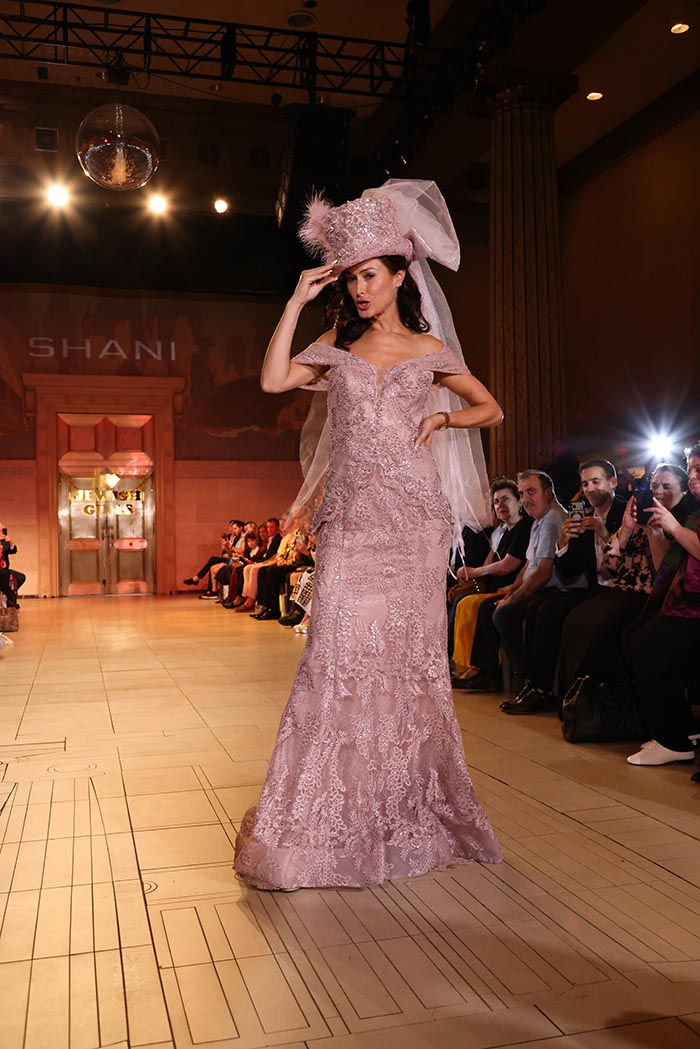
Shani by Shani Grosz
Together, the collections created a visual portrait of a Jewish fashion community that is anything but monolithic. There was couture alongside streetwear, modest dressing alongside swim, Israeli design alongside American and international voices.
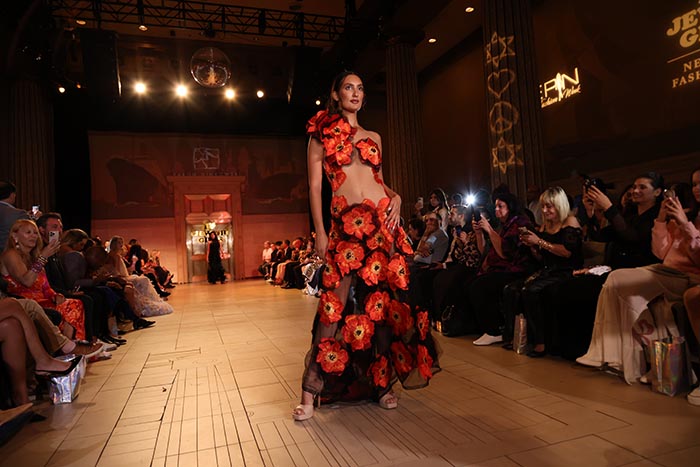
Shalosh
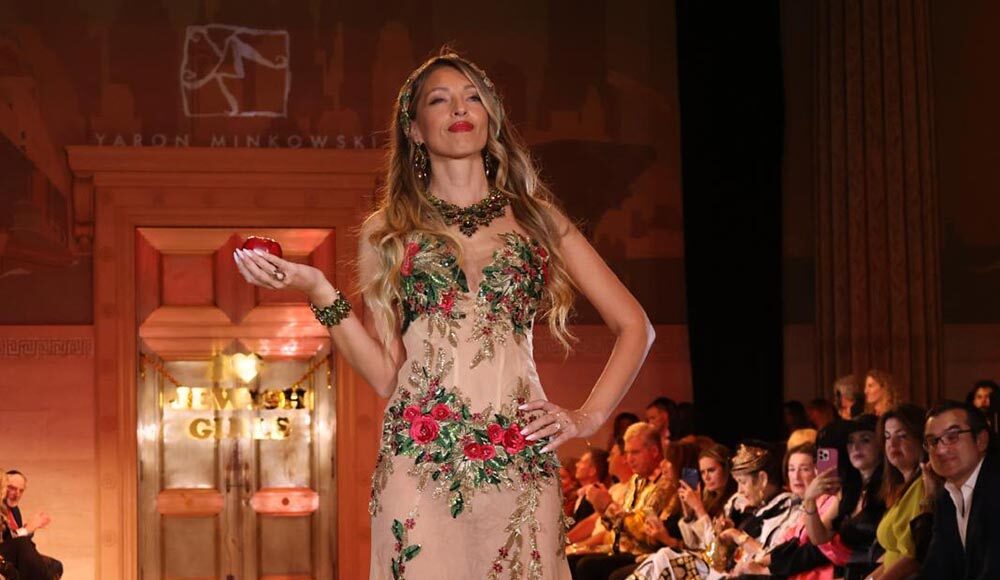
The runway opened with artist and designer Elizabeth Sutton wearing a dramatic gown and headpiece by Israeli label Shani Dress. Sweaters reading “Stop Antisemitism” and “Chutzpah,” a shirt declaring “I Love Jewish Boys,” Star of David motifs, Israeli flags, and Jewish-inspired swimwear transformed familiar symbols into contemporary fashion statements.
Yaron Minkowski closed the runway with his couture.
Music became another layer of the evening. Singer and cantor Dudu Fisher performed live, while Iranian-American singer Ghazal Mizrahi sang in Hebrew and Farsi. Miss Universe Israel 2024 Ofir Korsia and Miss Universe Israel 2026 Danielle Yablonka joined the finale, alongside rapper Kosha Dillz, activist Zach Sage Fox, actress Jenny Anne Hochberg, Miss Haifa 2024 Daniela Sonnenfeld, and philanthropist Ari Ackerman.
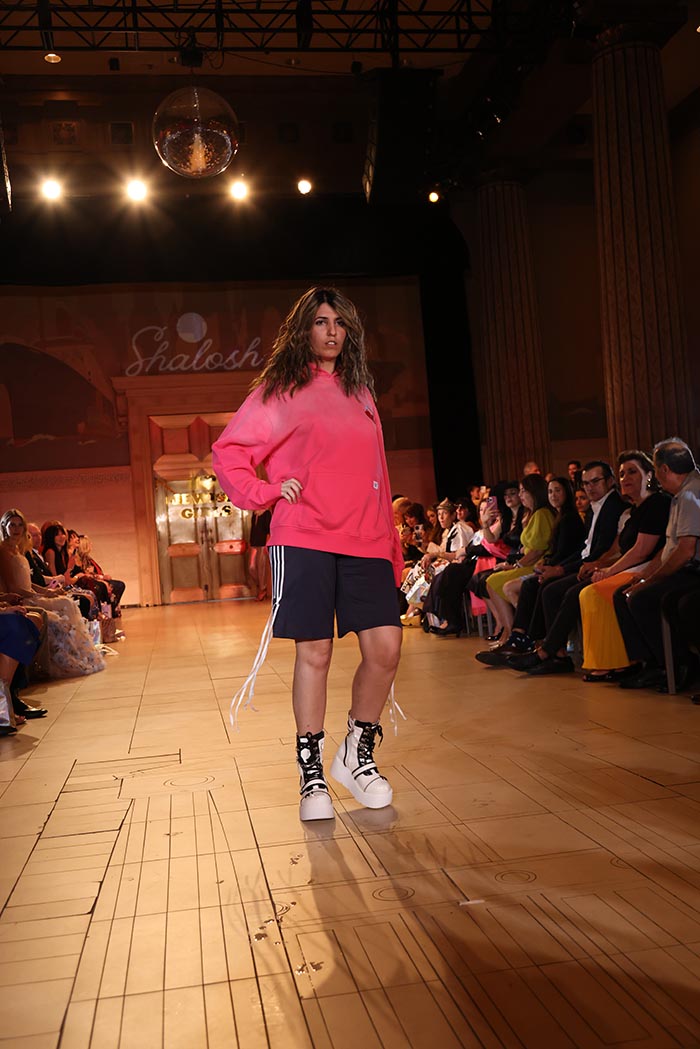
YARON MINKOWSKI
Yael Hashavit, Head of Cultural Affairs at the Consulate General of Israel in New York, addressed the audience from the stage, speaking to the resilience of Jewish and Israeli culture at a time when antisemitism has once again become impossible to ignore.
Then came the shofar.
As the sound filled the ballroom to welcome Rosh Hashanah, the runway suddenly felt connected to something much older than fashion week—faith, memory, renewal, and generations of Jewish history.
For me, that moment was deeply personal.
As a producer and co-organizer, it is difficult to separate the professional from the personal. This show became my silent tribute to the strong Jewish women and families who helped shape me and support me—including my ex-mother-in-law, Donna Schneier, and the beautiful women in my family who came before me, among them Holocaust survivors.
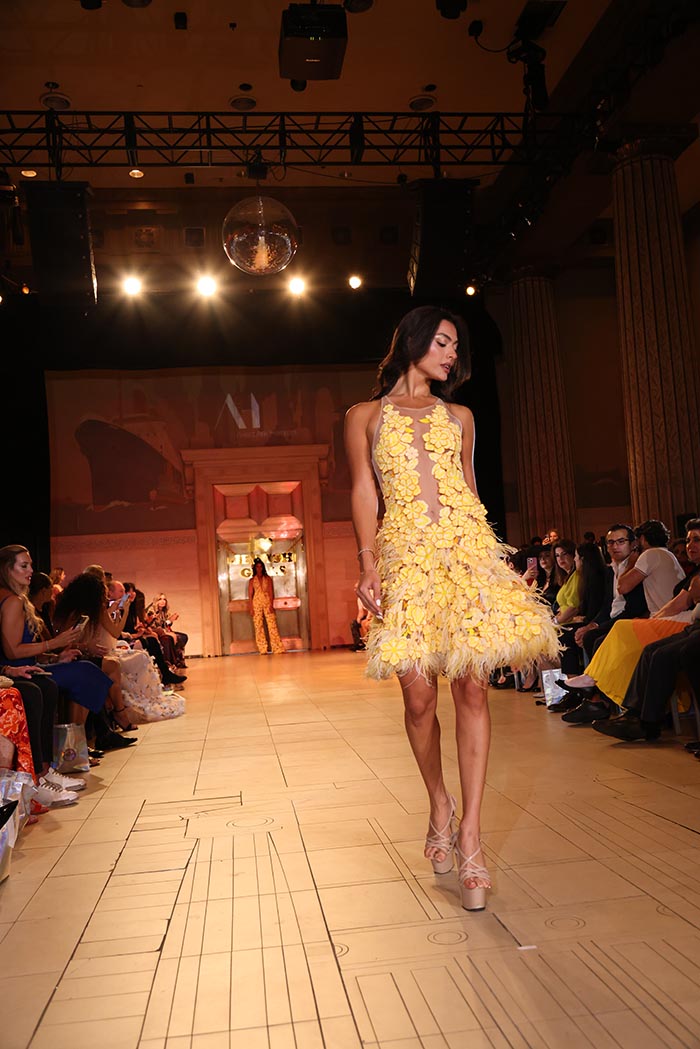
YARON MINKOWSKI
Standing there that night, I felt the weight of their stories.
They knew what it meant to lose. They knew what it meant to fight. They knew what it meant to survive. And somehow, through everything they endured, they created families, built lives, and gave the next generation the possibility of standing in a room like that one—openly and proudly Jewish.
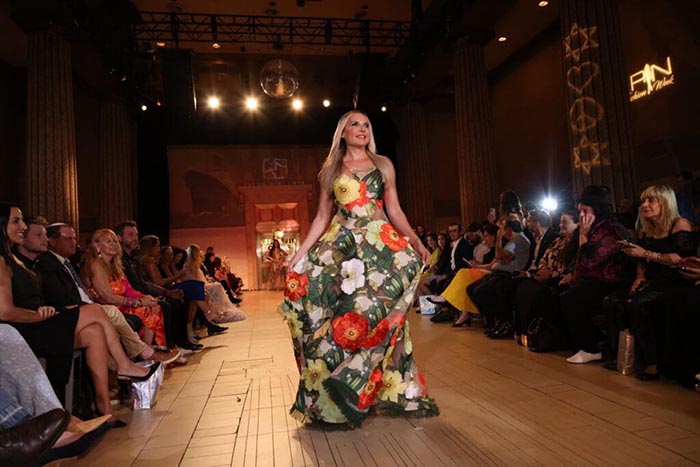
YARON MINKOWSKI
Their strength is part of my DNA.
That is what made this production different for me. I wasn’t simply watching a runway come together. I was watching an idea become a statement about who we are and how we choose to be seen.
Fashion has always had that power.
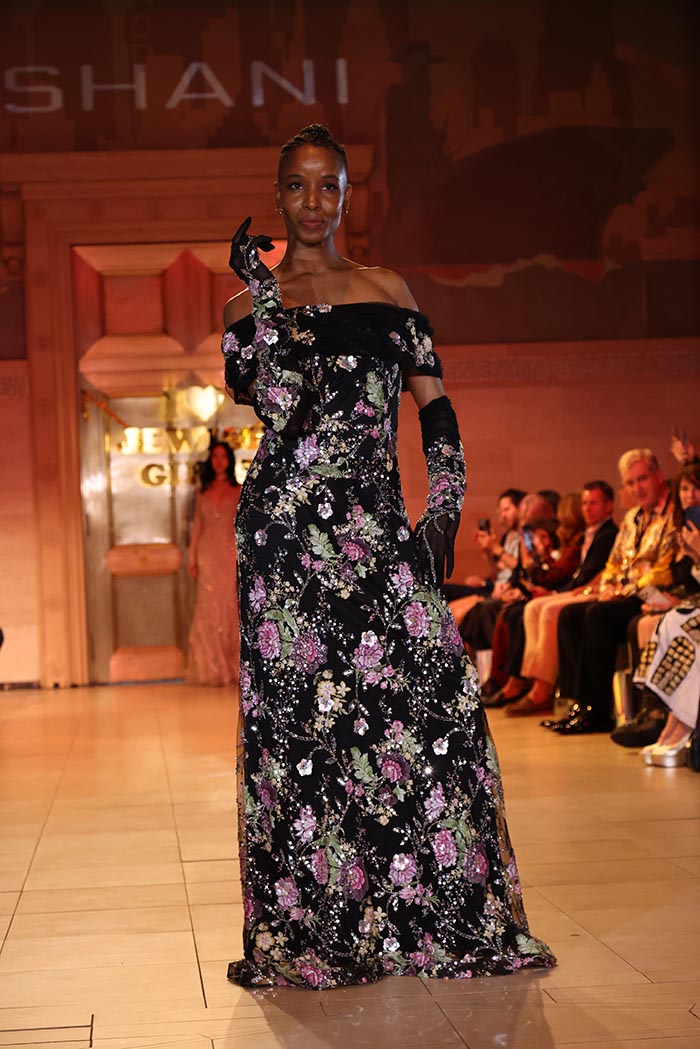
Shani by Shani Grosz
Clothing can be beautiful, but it can also be cultural memory. It can communicate identity before a single word is spoken. Alejandro Glatt calls us “walking billboards,” and I understand exactly what he means.
At I LOVE JEWISH GIRLS, the message was impossible to miss.
Jewish designers were creating. Jewish models were walking. Jewish artists were performing. Jewish women were leading. Israeli creativity was being celebrated in the middle of New York Fashion Week.
No explanation required.
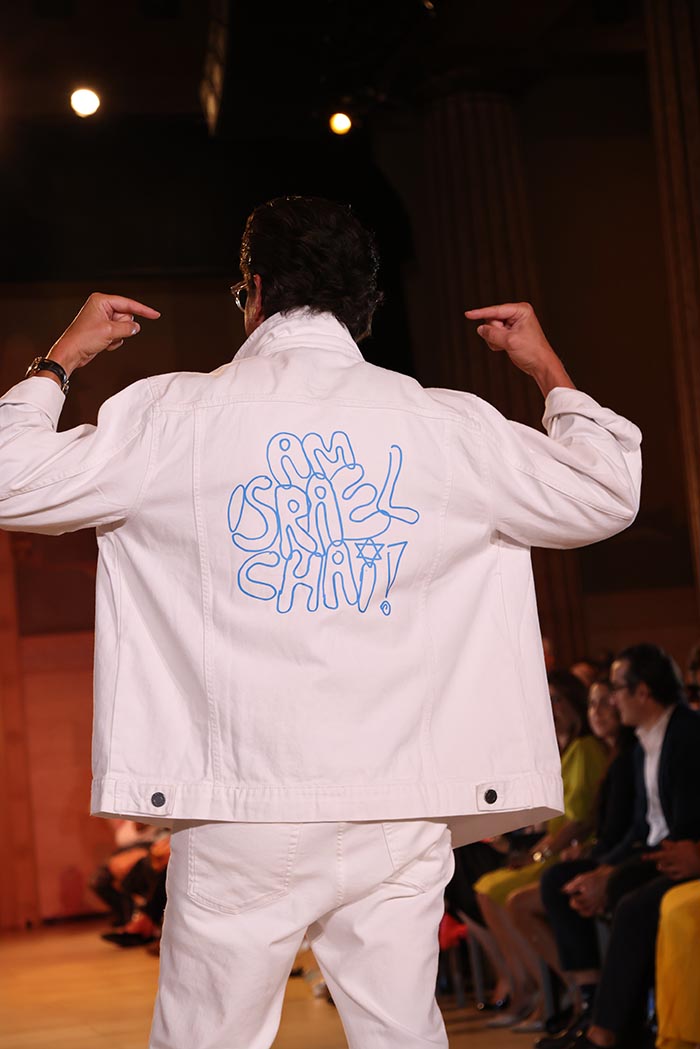
Tribe True Tradition X Alejandro Glatt
For me, this is where faith and fashion meet. Fashion gives us a visual language for identity; faith gives that identity its history, meaning, and soul.
And perhaps that is why the evening resonated so deeply.
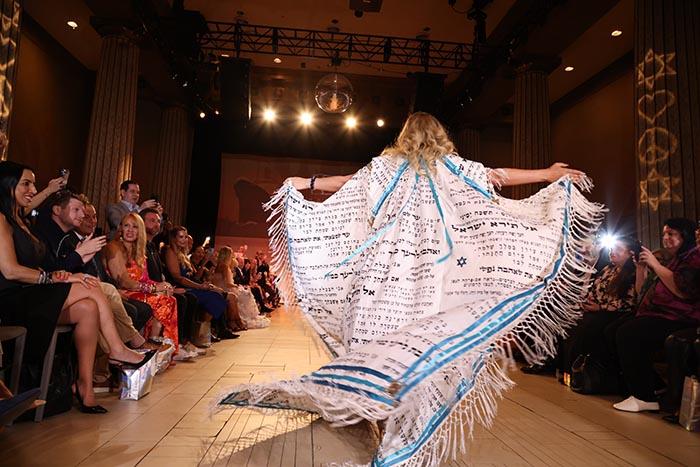
Aviad Arik Herman
As a producer, the most rewarding moment is watching something that existed first as an idea become real—a designer’s vision coming alive, the music beginning, the first model stepping onto the runway, and an audience realizing that it is witnessing something larger than a fashion show.
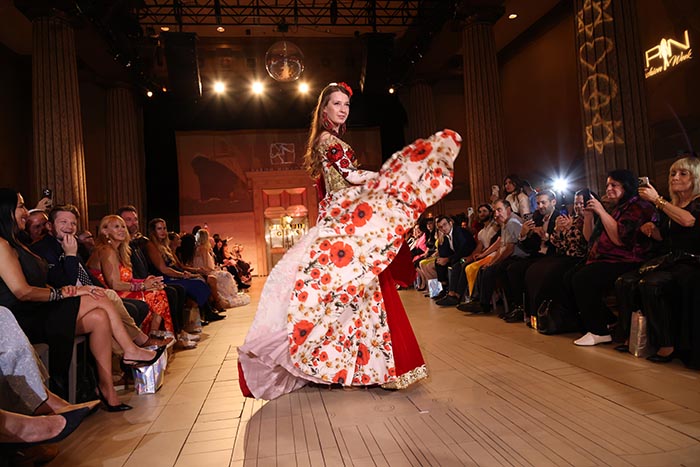
Aviad Arik Herman
I LOVE JEWISH GIRLS was a fashion show.
But it was also a cultural moment.
A celebration of Jewish creativity, identity and resilience.
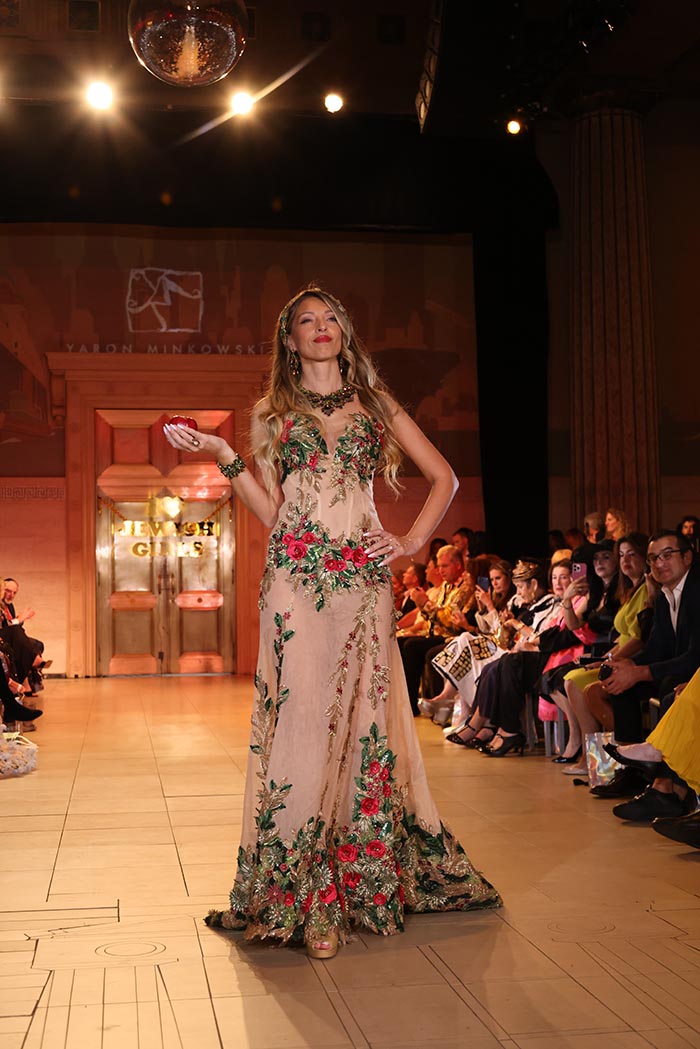
Aviad Arik Herman
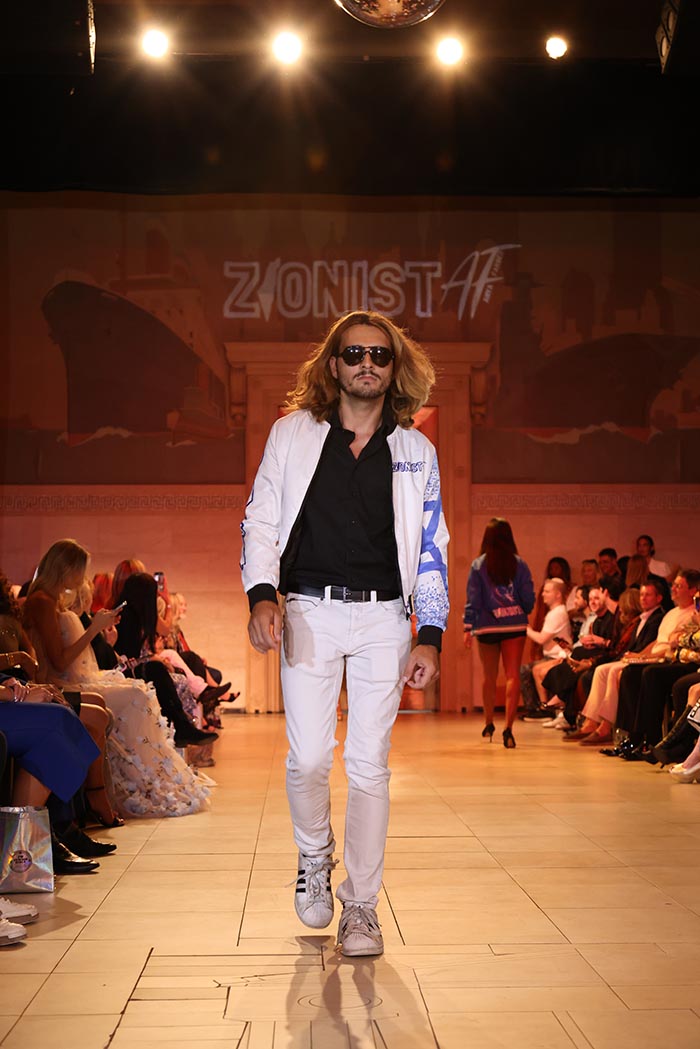
Zionist AF
And for me, it was a deeply personal reminder that fashion can do what I have always believed it can do: bring people into the same room, give them a voice, and turn identity into something visible, beautiful and impossible to ignore.
Sometimes the most powerful statement on a runway isn’t a garment. It’s the decision to be seen.
— Tobi Rubinstein
Founder, The House Of Faith & Fashion
Photography by Scott Goldberg