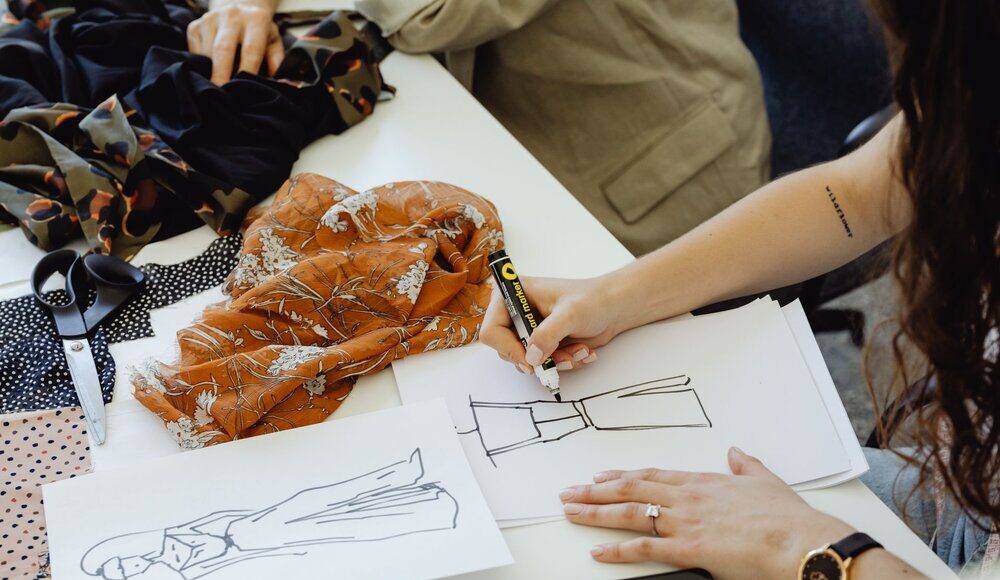
We used to imagine that starting a fashion label requires a studio, a factory, and a stockroom. That myth stopped a lot of potentially great ideas right at the beginning.
Here is a fact that you may find surprising. The world apparel business has a valuation of $1.8 to $1.92 trillion US dollars this year, according to estimates from Statista. E-commerce is increasingly becoming a big part of that market.
So, how to start a fashion brand looks different today. Making sure the product is right first is the key to starting a small business these days. This guide shows you how to start an online fashion brand step by step, without a stockroom.
Define Your Fashion Brand Identity Before Creating Products
You make products later; you think of the brand first. With a clear and well-designed brand identity, your customers will know who you are and why to choose you. Every choice you make later will be influenced by it, even the price or material you use.
Know Your Target Customer
First, the customer comes before the product. The three questions you need to ask yourself. Who are you creating for? What style does your audience prefer? What lifestyle does your brand stand for?
If minimalist fashion, streetwear, sustainable clothing, and premium basics seem like the ones to go for, you’d hit an area already full of competition for your attention. What’s the difference? Maybe a minimalist person won’t really get into the idea of looking for garments with very obvious color graphics to show off. It’s more about understanding your shoppers first, and you might end up reaching a larger audience later.
Build Your Brand Positioning
Brand positioning determines how you compare to other labels. It consists of four components.
Your visual expression will dictate the look and mood. The scope of products that you produce will be the deciding factor in what you focus on, e.g., outerwear or loungewear. The level at which you price your pieces indicates to a shopper whether you are budget-friendly, mid, or top-end. The narrative of the brand should make consumers interested. Create one sentence for each point and keep them near.
Key takeaway: A brand of clothing that is successful doesn’t start with a lot of products to sell online but with a clearly defined identity.
Choose the Right Fashion Business Model for Your Brand
You have four main paths. Each one suits a different budget, goal, and comfort with risk. Compare them in the table first.
| Business Model | Inventory Needed | Risk Level | Best For |
| Manufacturing | High | High | Established brands |
| Wholesale | Medium | Medium | Boutique owners |
| Print-on-Demand | Low | Low | Custom graphic products |
| Fashion Dropshipping | No upfront inventory | Lower | Emerging online brands |
Wholesale is a method where you buy things in bulk and get them at a lower price, such as for boutique owners who have shops. The next three ways suit online business owners more closely.
Traditional Manufacturing: More Control, Higher Commitment
Manufacturing gives full control over design, as you can select fabrics, cuts, and finishes. Thus, you will manufacture custom products.
This may cost on minimum order quantity (MOQ), as many factories demand. The first production bill might come before selling the first product. Unsold goods tie up cash and storage, which is a high risk for new entrepreneurs without sales data.
Print-on-Demand: A Low-Risk Option for Custom Designs
Print-on-demand creates items only after customer requests. These suit custom t-shirts, hoodies, and other personalized items. The design goes onto a blank item without holding any inventory.
However, there is a limit to the range of available blanks. Full collections with different cuts and fabrics are difficult to establish in this way.
Fashion Dropshipping: Test Products Without Holding Inventory
Fashion dropshipping requires you to list products without buying stock upfront at first. It is a type of business model whereby a manufacturer stores the items, packs each order, and ships it to your clientele. Your focus in this business should be more on brand, content, and efficient order delivery service.
Basically, this model assists you in three ways: selecting products without pre-ordering them; testing customer interest with real people; and working together with suppliers who take care of fulfilling orders, such as packing and shipping them from their warehouse to your customers instead of yourself.
If you are an entrepreneur looking for ideas on starting a fashion clothing brand without spending much money at once, fashion dropshipping is one flexible option worth considering, as it allows testing collections before purchasing large quantities for sale or stock. Platforms like EPROLO connect store owners with suppliers, thus providing enough insight into demand before placing large orders.
Use fashion dropshipping as a testing, not shortcut, method; however depends largely on the selection of products themselves, branding strategy, as well as marketing efforts employed in promoting sales. You still need trustworthy partners for supply chain management and prompt customer service and delivery.
Research and Validate Fashion Product Ideas Before Launching
Your good idea needs testing. Testing saves time and cash. Do it before you create many products.

Research Market Demand
You can use free websites to see what people want. Check:
- Google Trends shows how people have looked for it over time
- TikTok trends show fads that spread very fast
- Instagram trends show visual styles
- Look at other stores for their prices and selections
- Look at customer reviews to find gaps or complaints
Read carefully the reviews that people write regarding similar brands. Complaints about sizes and fabrics can guide you on how to improve.
Start With a Small Collection
Do not release many items at once. Keep the collection small and focused. Aim for around 5 to 10 items based on one theme and audience.
A focused store is seen as a brand. An unplanned collection looks like a marketplace.
Measure Customer Feedback
Track four key signs from day one:
- Check how often people visit your product page.
- Count how many people add your products to their cart.
- See what customers say about your products.
- Track how many of those people actually buy something.
Few visitors could mean trouble with marketing. Lots of visitors but not many carts could mean issues with price or product. Feedback shows you what needs fixing next.
Key takeaway: Successful fashion brands test ideas before rolling them out.
Find a Fashion Supplier That Supports Your Brand Growth
Suppliers come in various forms. The best ones grow with you and keep customers satisfied. Evaluate them in three important aspects.
Check Product Quality
Before selling any item, get samples first. Feel the fabric structure, stitch strength, and size fit. Wash the product once to examine performance.
Fit issues are the main cause of 20-30% of online clothing returns. Samples reveal what photos hide.
Evaluate Fulfillment Capability
Even great products fail if delivered slowly. Ask suppliers these 3 questions:
- Processing time?
- Shipping options and regions?
- Tracking available?
Customers worldwide want timely delivery and parcel tracking information.
Consider Branding Support
Branding makes it your product. Ask for custom labels and packaging. A simple thank-you card changes how you feel about a package.
Some suppliers do this, some do not. Check before you decide.
Key takeaway: A good supplier shapes how your customers feel. Products are only part of the job.
Build Your Online Fashion Store and Showcase Your Brand
Your store needs to reflect your brand. It must be mobile-friendly with no lag time. How to start a fashion brand online involves setting things in motion.
Choose Your Ecommerce Platform
Shopify and WooCommerce are widely used. Shopify is easy to use since it is hosted. WooCommerce provides extra flexibility as it is based on WordPress.
Choose one that matches your capabilities and finances. Ensure that it integrates with your supplier tools.
Create Fashion-Focused Product Pages
Shoppers can’t feel the clothes. Your page has to do that job.
Use professional images. Write detailed fabric and care descriptions. Add a size guide. Include styling suggestions.
Tell Your Brand Story
Customers connect with design inspiration, brand values, and lifestyle positioning, not just clothes.
Tell why you began. Illustrate what shapes your designs. Keep main facts on your About page. In that way, individuals won’t forget the story.
Launch Your First Collection and Learn From Customer Feedback
Your first launch is a lesson, not a finish line. Observe closely.
Collect consumer opinions via reviews, emails, and concise surveys. Analyze items sold to find out bestsellers and slow sellers. Use feedback to improve future batches. Adjust by discarding weak products and introducing new ones.
Examine weekly reviews at first. Notate any patterns you notice. Patterns shown over ten orders reveal more than loud complainants do.
Important take-home message: A small launch allows for learning before investing larger amounts.
Market Your Fashion Brand Through Content and Community
Fashion is sold by visuals and trust. Building content and a community will create both. Start early, continue into later times.
Build Your Audience
Your way to grow it is to pick platforms where you will frequently show up. Instagram is ideal for lookbooks and reels. TikTok is made for short videos and trend ideas. Pinterest offers consistent discovery since people save outfit ideas on that platform.
Create Fashion Content
Share styling ideas, behind-the-scenes clips, and product stories with others. You can show how one jacket works for three occasions. Oftentimes, real moments have a greater impact than polished ads.
Work With Relevant Creators
Micro-influencers have smaller yet more specific followings. Just send them a sample and set clear terms while following disclosure rules in their region regarding gifted or paid posts.
Build Customer Relationships
From day one, collect email addresses. Send newsletters as well as product updates plus brand stories via email, thus allowing you to reach out to customers without having to rely on a social media algorithm.
Scale Your Fashion Brand After Finding Product-Market Fit
First, wait for feedback. Once people keep buying & raving about your products, you may expand your reach. Just do it carefully.
Grow Your Best Sellers
Look at what sells well. Maybe you can add some new styles or colors? You can even have collections that go together, like bags and jackets. Plan ahead for seasons.
When sales are steady, order in bulk. This way, you know the items will be sold more easily instead of wasting time on guessing.
Improve Operations
Strengthen ties with your suppliers. Review where delays come from in the fulfilment process. Fix gaps in customer service, e.g by replying fast and making returns easier, which builds trust.
Build Long-Term Brand Value
Be consistent concerning look, voice tone, and quality of products over time. Give loyal customers early access privileges so they feel special around them. Make sure it is easily identified on every platform used.
Frequently Asked Questions About Starting a Fashion Brand
Here are quick answers to the questions new founders ask most.
How do I start a fashion brand with no experience?
Start with a small step. Identify your target audience and style. Go through free manuals and rival stores. Select a flexible logistical framework, such as print-on-demand or dropshipping, and launch about 5 – 10 items. Selling enables you to learn faster than planning.
How much does it cost to start a fashion brand?
Expenses differ based on the model and location. Manufacturing requires the highest initial capital for production and minimum orders. Flexible systems require less of a startup cost.
Can I start a fashion brand without inventory?
That is indeed possible. Print-on-demand as well as dropshipping allow you to sell without any advance purchase of inventory beforehand. A printer or supplier processes each order. Samples should be ordered, and the supplier’s terms should be read before listing products.
How do I start an online fashion brand?
These are the 5 steps to take. State what your identity is. Settle on your product ideas. Pick a supplier who is adaptable. Create your store. Start with a small collection. Get feedback.
Conclusion
Starting a fashion brand nowadays isn’t about making many collections. Success comes from making a distinct brand identity. Founders research their customers. They test products with few items. They select flexible operations that fit their finances.
You have a clear way to follow. Define your style. Test 5-10 products. Learn from each order you have. Find your niche and make a short list of your first pieces. Launch your test collection this month.