

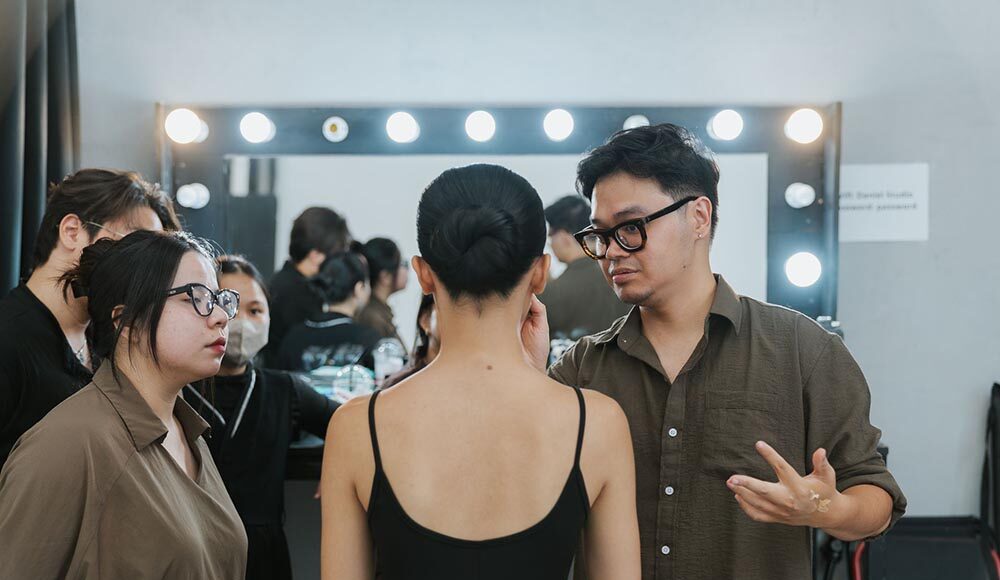
Keeping your backstage area organized during a fashion show can make all the difference between a smooth experience and a frantic scramble between looks.
Models, stylists, dressers, makeup artists, photographers, and production staff may all need access to the same limited space, so organization has to be intentional from the start.
Fashion shows move quickly, and small delays can have a noticeable effect on the schedule. A missing shoe, misplaced garment, or crowded changing area can create a chain reaction that leaves models rushing onto the runway or forces production to adjust the planned sequence.
From wardrobe organization to traffic flow, a few practical systems can help event teams stay focused when the pace picks up.
Give Every Look a Designated Place
Clothing is one of the biggest organizational challenges backstage because multiple outfits may need to be changed within minutes. One way to keep things easier for you and your team is to keep your garments together by model and appearance order. Not only will everyone know where everything is, but they also won’t have to dig through a pile of clothing during crunch time.
Using garment racks for event rentals can give you an easy way to keep your clothing elevated, visible, and separated. What we love about racks is that they also make it easier to organize outfits according to the show’s running order.
A labeling system can make the setup even easier. Include some of the following info on your labels:
- Model’s name
- Look number
- Runway appearance
A system like that can make it easy for staff to identify what belongs where at a glance.
Map the Backstage Traffic Flow
Backstage areas can become surprisingly crowded once everyone arrives. Rather than allowing staff to establish their own work areas wherever space happens to be available, create zones before the event begins.
Wardrobe, hair, makeup, and model waiting areas should have clearly defined locations whenever the venue allows. Keeping equipment and people in predictable areas reduces unnecessary movement and makes it easier to spot when something has been left in the wrong place.
Keeping backstage traffic moving smoothly is key when your models only have a few minutes to change. Everyone won’t have to worry about tripping over each other or equipment when you keep the space clear.
Prepare a Runway-Ready Wardrobe System
A rack full of clothing is useful, but organization should go beyond simply hanging everything up. Each look should be prepared as a complete unit whenever possible so staff members are not searching for individual pieces during a quick change.
Small items can be easy to lose track of in a busy backstage space. Keep smaller items together in clearly labeled containers or bags that correspond with each outfit.
Make sure every look accounts for the details that can otherwise cause problems, including the following:
- Garment
- Shoes
- Accessories
- Outerwear
- Special instructions
Photographing completed looks before the show can also provide a quick visual reference. The photo shows them how it looks without anyone needing to step away.
Keep Personal Belongings Out of Work Zones
Models and crew members often arrive with bags, coats, phones, water bottles, and other personal items. Personal belongings can quickly end up in the way without a specific place to put them.
Try to create a separate area for personal items when you can. A few ways you can do this include:
- Numbered bins
- Labeled garment bags
- Dedicated holding space
Having the floor clear is also important for keeping everyone safe. Loose bags and boxes can become tripping hazards when staff members are moving quickly, especially in dimly lit backstage environments.
Coordinate With the Production Schedule
Backstage organization should reflect the actual show schedule rather than existing separately from it. Wardrobe staff need to know when each model is expected backstage, when quick changes occur, and which looks require additional preparation.
A call sheet can help various team members be on the same page. Highlighting quick changes and high-priority transitions gives your team an easy way to see moments that require extra attention.
Communication should remain simple during the show itself. A designated backstage coordinator can relay timing updates and resolve small problems before they affect the runway.
Do a Final Walkthrough Before Doors Open
The last few minutes before a fashion show begins are an opportunity to catch problems while there is still time to fix them. Walk through the backstage area as though you were a model preparing for the first appearance.
Check that garments are in the correct order, pathways remain open, accessories are accounted for, and staff members know where to find the items they need. A quick walkthrough can reveal a surprising number of issues that were easy to miss during setup.
Once the show begins, organization becomes much harder to change. Taking the time to create a logical backstage system beforehand gives the entire team a calmer environment to work in, even when the runway schedule starts moving quickly.